Knowledge Center · Rat & Mouse Glue Traps
The four approaches used in professional rodent programmes, what each one is good for, and why rotating chemical baits matters.
There are many rodent species and the damage they cause is serious. Professional programmes rarely rely on a single method — they combine four approaches, each doing a different job.
Environmental control removes the conditions rodents depend on: shelter, food and water. On agricultural land this is combined with deep ploughing, irrigation and planting, which makes the habitat far less suitable and slows breeding. On its own it will not solve an infestation, so it is used alongside the other methods rather than instead of them.
Biological control means protecting the natural predators that feed on rodents — owls, weasels, cats and most snake species. Where those predators are present, rodent numbers stay lower with no input at all.
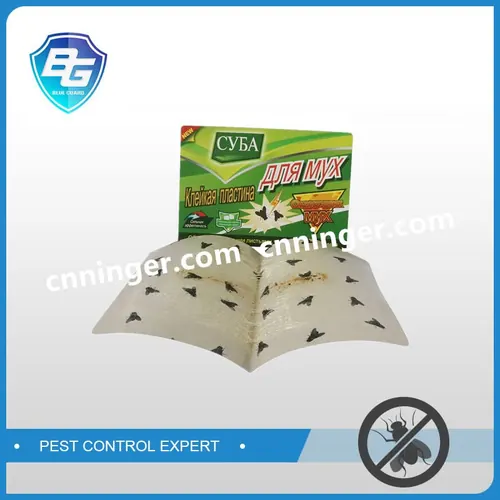
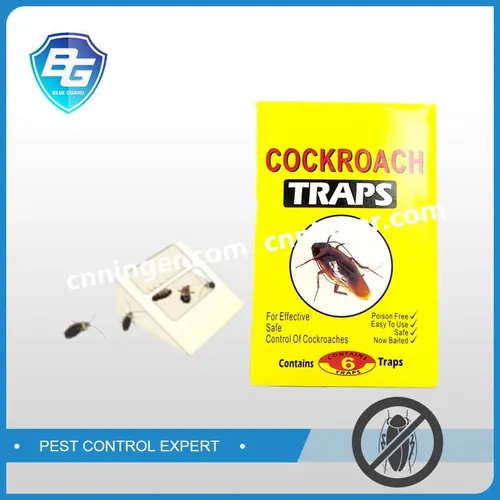
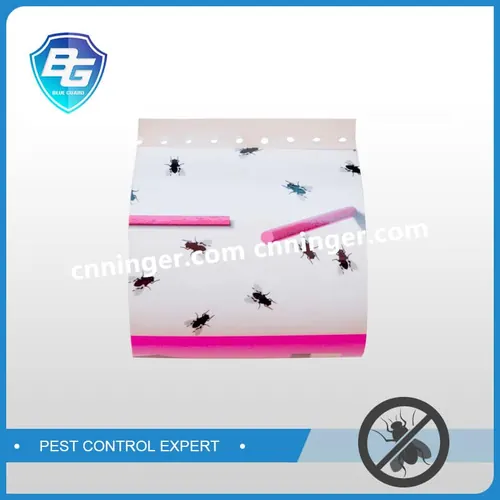
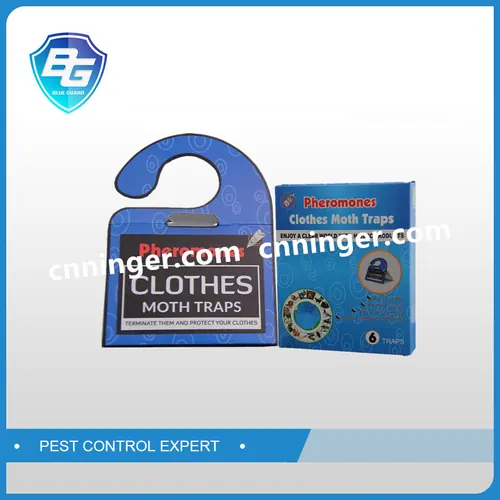
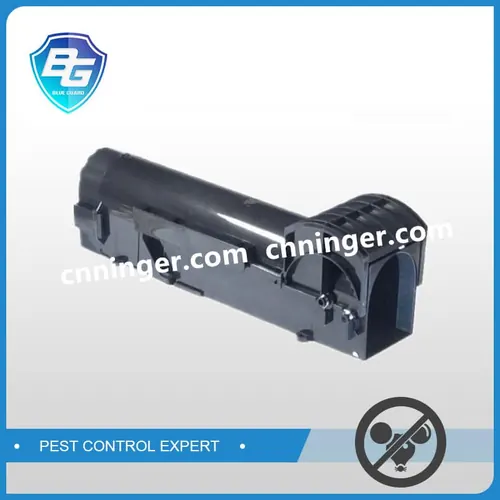
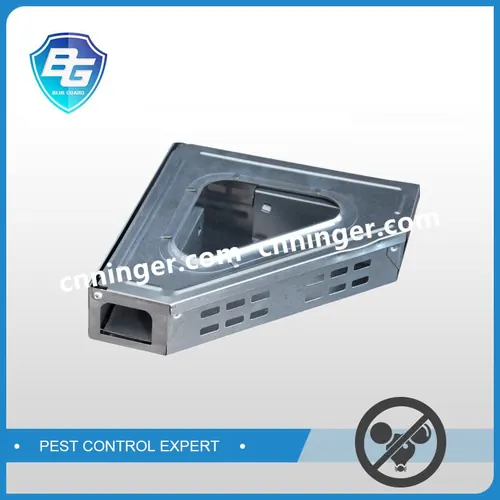
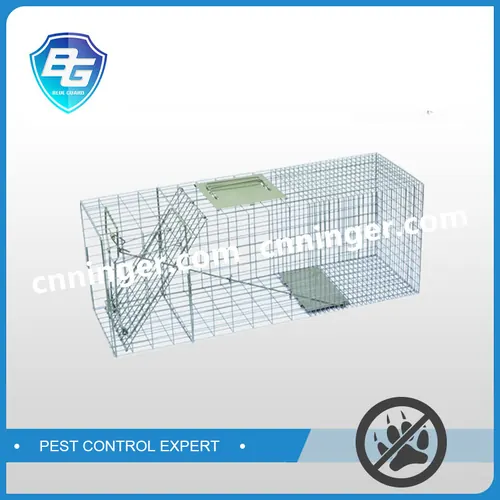
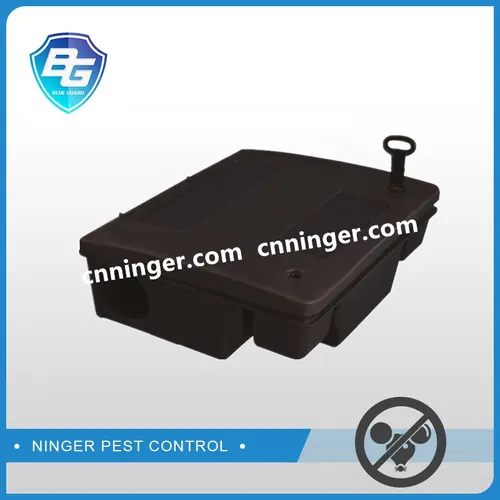
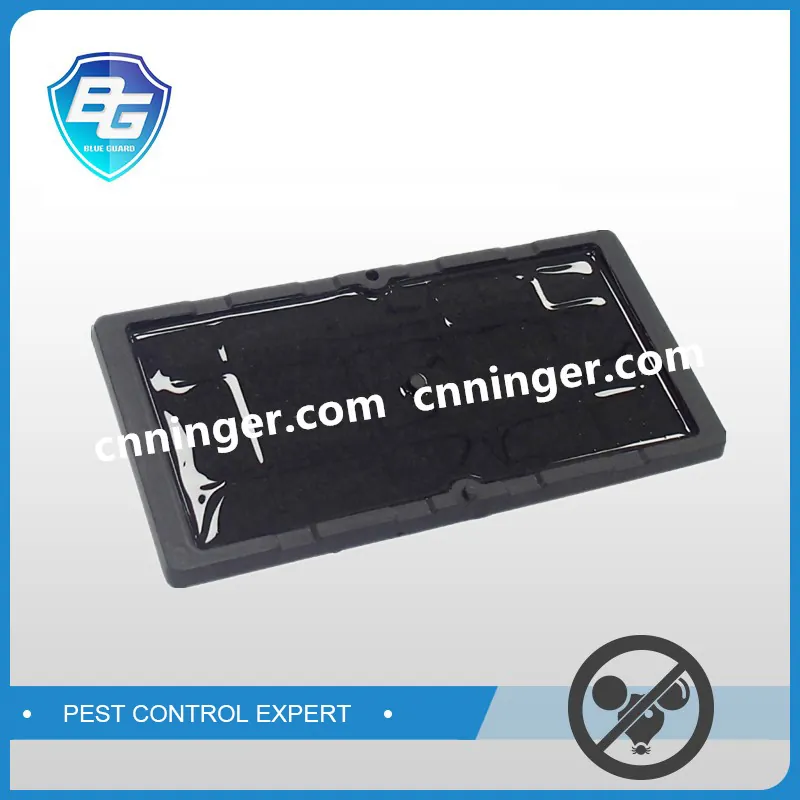
Mechanical control uses traps and glue boards: snap traps, glue boards and trays, multi catch boxes and cage traps. It is efficient, hygienic, safe around people and leaves no residue in the environment. It is best suited to indoor sites and moderate rodent density rather than very large open areas.
Chemical baiting works quickly, adapts to many situations and covers large areas. Choose products that are effective at low toxicity and low residue, with a low secondary poisoning risk, and avoid causing physiological resistance in the rodent population.
Do not use the same rodenticide continuously. After a rodent dies from a bait, chemical traces stay in the body. Other rodents have a very sharp sense of smell and a strong ability to identify and remember odours — they associate that specific smell with the death of a member of the group, avoid the bait afterwards and keep others away from it. Once that association is made, even changing the bait carrier does not restore acceptance. Where possible use physical methods, which do not create this problem and do not affect the environment.
FAQ
Related Products
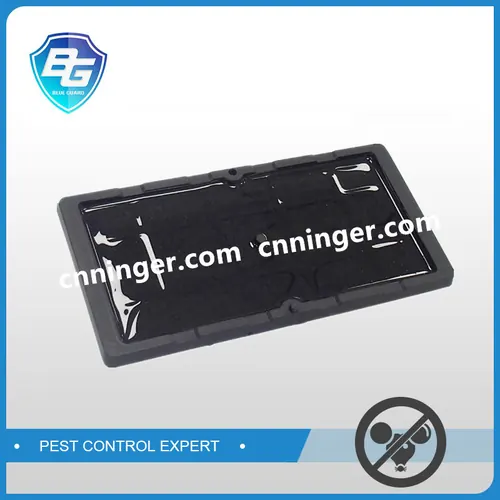
Rat & Mouse Glue Traps
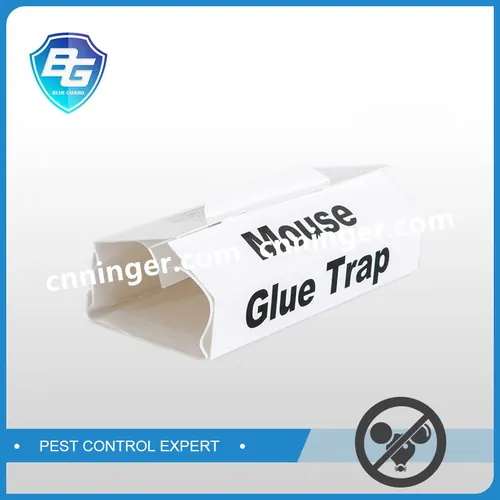
Rat & Mouse Glue Traps
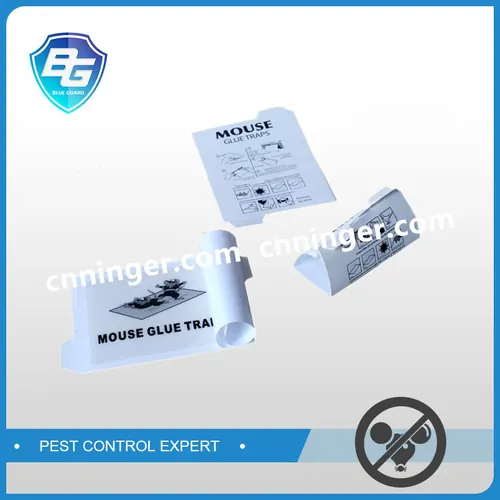
Rat & Mouse Glue Traps
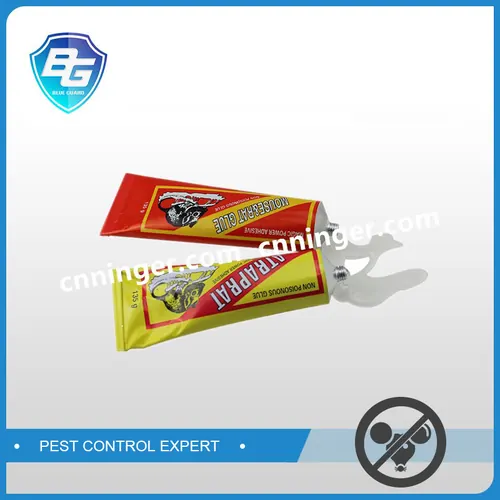
Rat & Mouse Glue Traps
Describe the site and the pest pressure and we will recommend the models and placement that work.