Introduction
1. What Are Aluminum Assembly Panels?
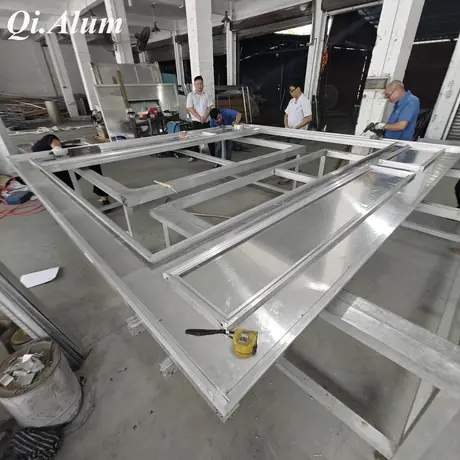
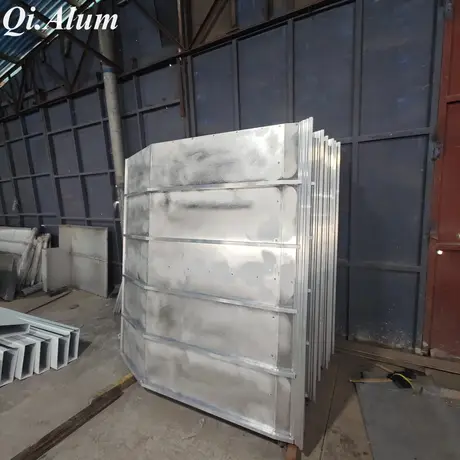
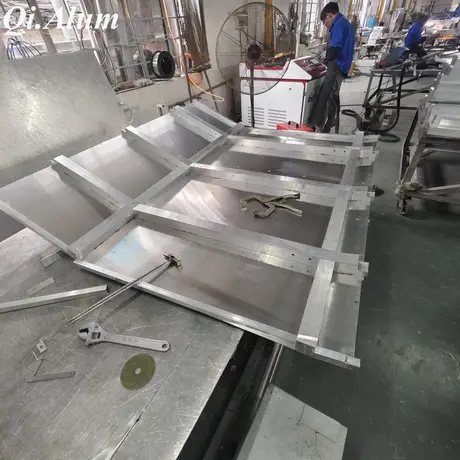
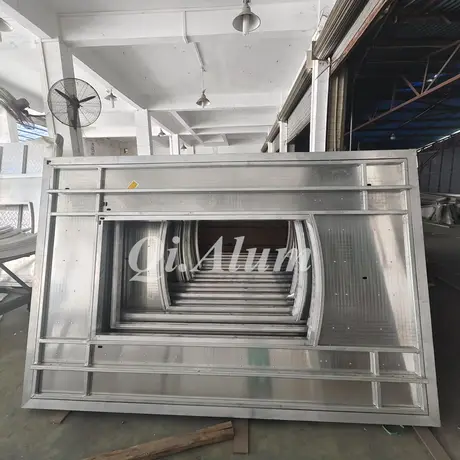
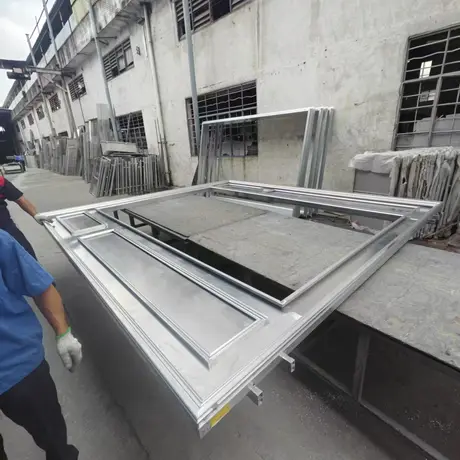
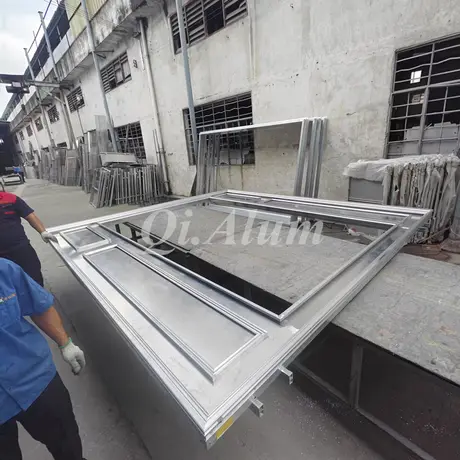
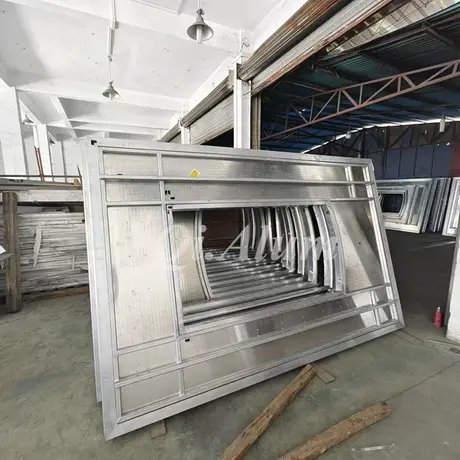
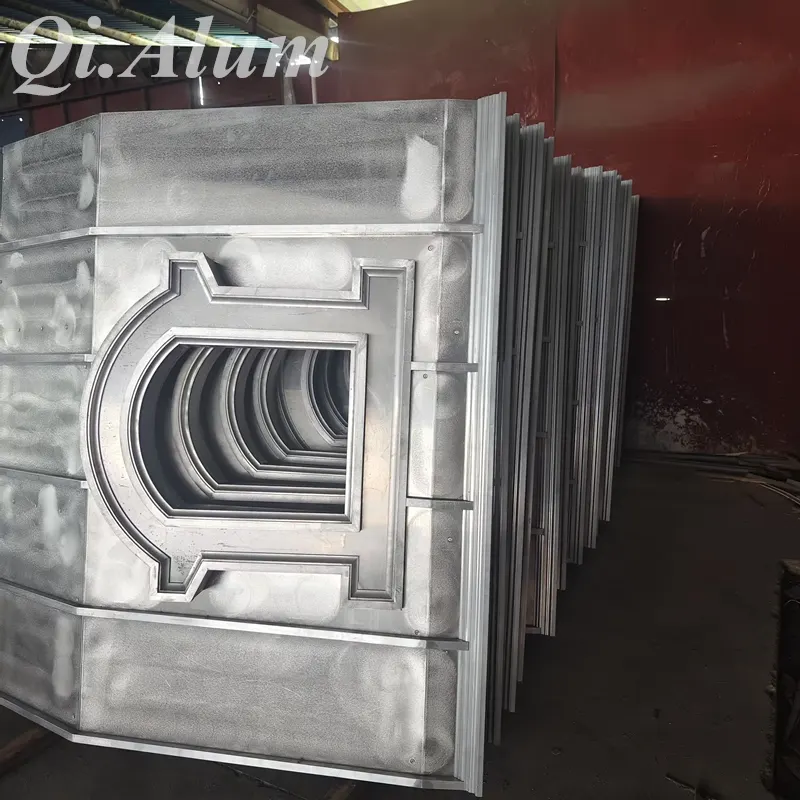
Aluminum assembly panels are prefabricated components made from high-grade aluminum alloys, designed for easy integration into structural or decorative systems. They are often manufactured through extrusion or roll-forming processes, enabling precise shapes and interlocking mechanisms that simplify on-site installation.
Key Characteristics
Lightweight Strength
Aluminum’s high strength-to-weight ratio ensures structural integrity without compromising portability.
Corrosion Resistance
Natural oxide layers and coatings (e.g., anodized or powder-coated finishes) enhance longevity in harsh environments.
Thermal and Electrical Conductivity
Ideal for applications requiring heat dissipation or electromagnetic shielding.
Recyclability
Aluminum is 100% recyclable, aligning with circular economy principles.
2. Manufacturing and Design Flexibility
Modern fabrication techniques allow aluminum panels to be tailored to diverse specifications:
Custom Shapes
CNC machining and extrusion enable complex geometries.
Surface Finishes
Options include brushed, polished, or textured surfaces for aesthetic versatility.
Modular Systems
Panels often feature interlocking edges or pre-drilled holes for rapid assembly, reducing labor costs.
3. Applications Across Industries
Architecture & Construction
Facade cladding for energy-efficient buildings.
Retrofitting projects due to lightweight installation.
Interior partitions and suspended ceilings.
Transportation
Lightweight panels for aerospace, automotive, and railcar interiors.
Industrial Equipment
Machinery housings, control panels, and modular workstations.
Consumer Goods
Furniture, display systems, and DIY kits.
4. Advantages Over Traditional Materials
Cost-Efficiency
Reduced transportation and installation costs compared to steel or concrete.
Sustainability
Lower carbon footprint during production and end-of-life recycling.
Low Maintenance
Resistant to rust, UV degradation, and pests.
5. Challenges and Considerations
Thermal Expansion
Proper joint design is critical to accommodate temperature fluctuations.
Initial Cost
While long-term savings are significant, upfront material costs may exceed plastics or wood.
6. Future Trends
Innovations in composite aluminum panels (e.g., aluminum honeycomb cores) and smart coatings (self-cleaning or photovoltaic-integrated surfaces) are expanding their potential. Additionally, digital tools like BIM (Building Information Modeling) are streamlining panel integration into sustainable designs.
Conclusion
Aluminum assembly panels represent a synergy of functionality and eco-conscious engineering. As industries prioritize efficiency and sustainability, their adoption is poised to grow, driven by advancements in manufacturing and material science. Whether for skyscrapers or portable devices, these panels offer a blueprint for the future of modular design.