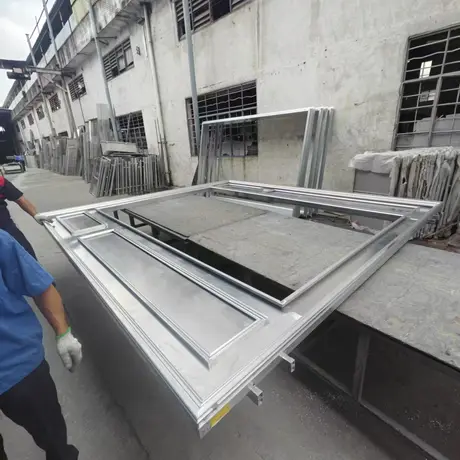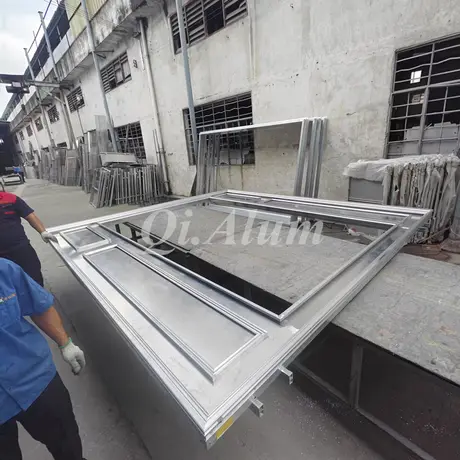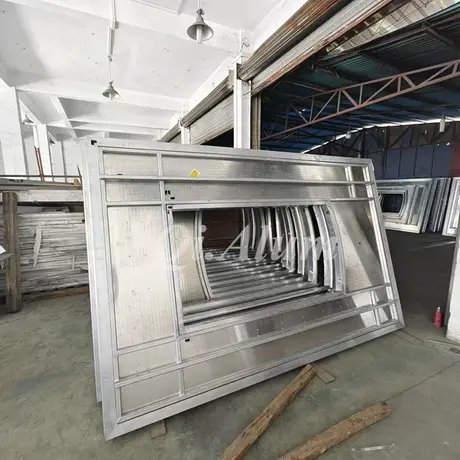
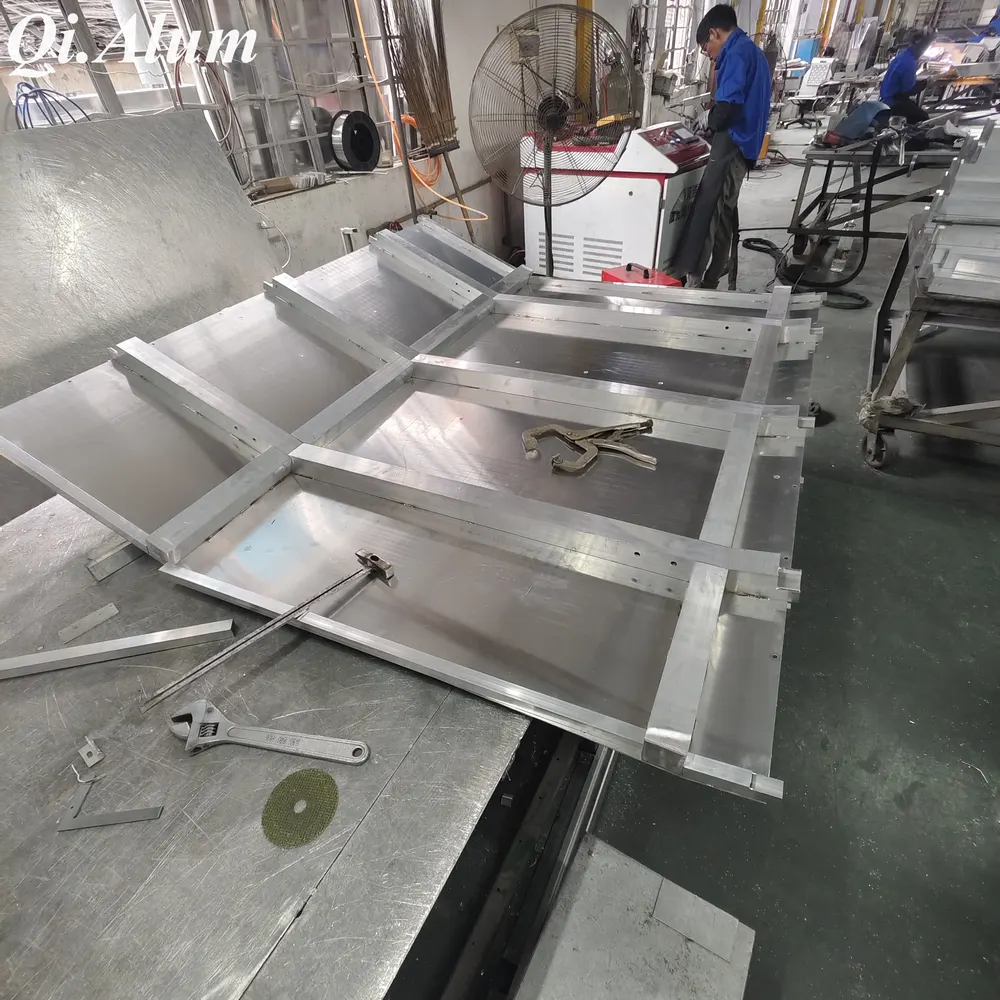
Introduction
Core Features
Lightweight Durability
: Aluminum’s high strength-to-weight ratio supports robust structures without bulk.
Corrosion Resistance
: Enhanced by coatings like anodizing, they thrive in extreme weather and industrial settings.
Eco-Friendly
: Fully recyclable, reducing waste and supporting green building certifications.
Design Adaptability
: CNC machining and modular systems enable custom shapes for rapid installation.
Industry Applications
Architecture
: Energy-efficient facades, retrofits, and interior systems.
Transportation
: Lightweight aerospace and automotive components.
Consumer Goods
: Modular furniture and DIY kits for flexible usage.
Advantages Over Competitors
Lower Lifetime Costs
: Savings in transport, installation, and maintenance surpass steel or concrete.
Thermal Efficiency
: Naturally dissipates heat, ideal for electronics and energy-saving buildings.
Future Innovations
Emerging trends include aluminum-composite hybrids, self-cleaning coatings, and integration with smart building systems via BIM technology.
Conclusion
Aluminum assembly panels epitomize sustainable progress, merging functionality with circular economy principles. Their evolution promises to drive smarter, greener designs across global industries.