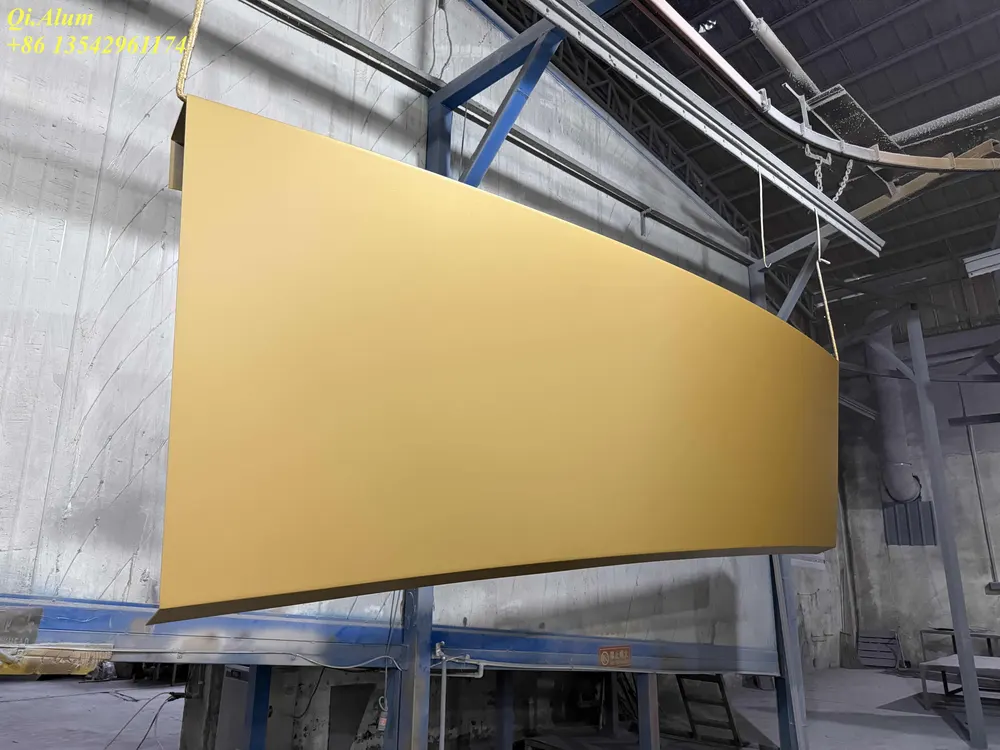
When designing or renovating a commercial building, selecting the right facade material is one of the most critical decisions a project manager or architect will make. The exterior envelope of a building does not just define its visual identity; it serves as the primary shield against environmental elements and heavily impacts the structure’s long-term operational costs.
In this article, we will explore the essential functions of exterior wall materials and why modern engineering increasingly favors advanced metal solutions over traditional alternatives.
1. The Core Functions of Exterior Wall Materials
An effective exterior wall material must do much more than look appealing. In modern construction, it is expected to fulfill several high-performance roles:
Structural Protection & Weather Resistance
The facade must withstand extreme weather conditions, including intense UV radiation, heavy rainfall, and high wind loads, preventing moisture from penetrating the building’s core.
Thermal Insulation & Energy Efficiency
Advanced wall systems help regulate indoor temperatures, reducing the energy load required for heating and cooling, which aligns with modern green building standards.
Fire Safety
Fire prevention is a non-negotiable metric in commercial construction. Materials must comply with strict local and international fire safety codes to protect human life.
Weight Reduction
Reducing the dead load of a skyscraper’s exterior allows for more efficient structural engineering and lower foundational costs.
2. Aluminum vs. Traditional Materials: A Strategic Comparison
For decades, glass, stone, and brick were the dominant choices for commercial exteriors. However, as architectural designs become more complex and sustainability targets more stringent,
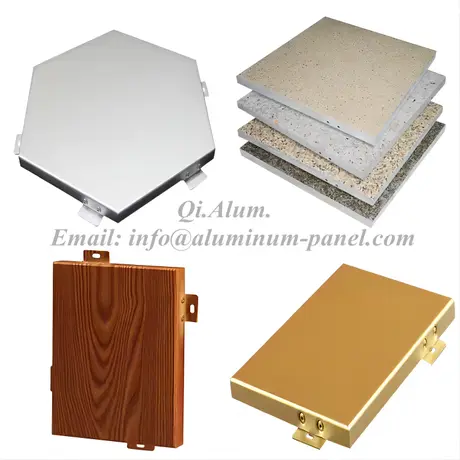
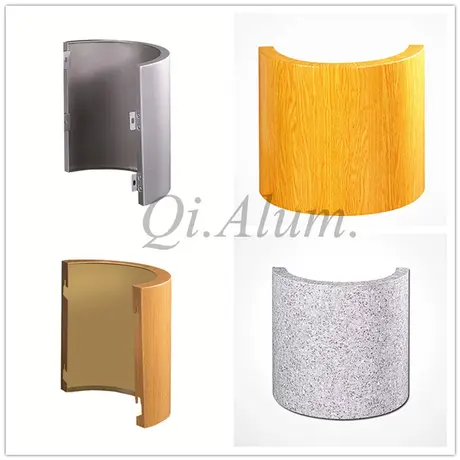
Exterior Aluminum Wall Panels
have emerged as the industry benchmark.
By utilizing
Exterior Aluminum Wall Panels
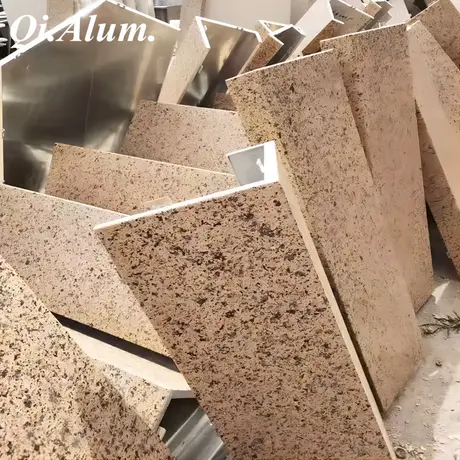
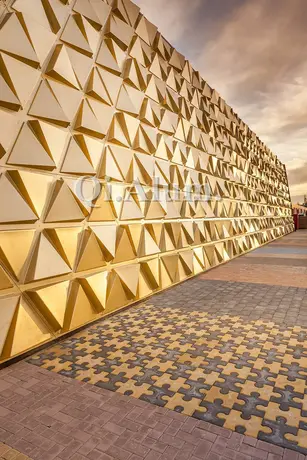
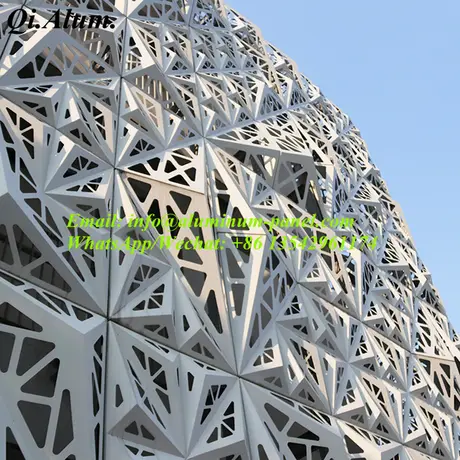
, architects can achieve the premium aesthetic of a modern commercial complex without the weight penalties of stone or the glare issues associated with massive glass curtains.
3. How to Avoid Common Pitfalls in Aluminum Facade Procurement
While aluminum is highly praised for its durability, not all panels are created equal. Many commercial projects suffer from premature fading, chalking, or panel deformation (oil canning) within a few years of completion. To prevent these costly issues, keep these procurement tips in mind:
Demand Superior Coatings
For outdoor applications, always specify high-standard PVDF (fluorocarbon) coatings. PVDF provides exceptional resistance to UV rays and chemical corrosion, preventing color mismatch across different batches.
Calculate the Correct Thickness
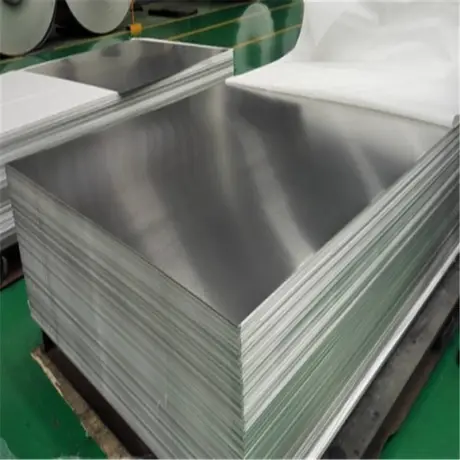
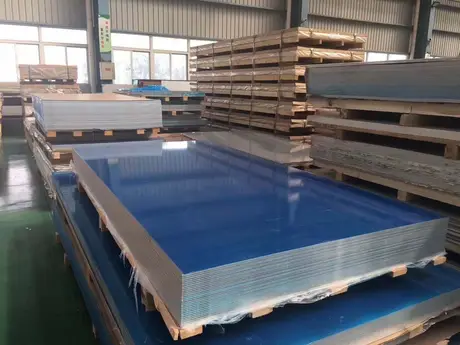
Standard solid aluminum sheets must meet strict thickness requirements based on the building’s height and local wind pressure calculations to prevent the panels from buckling.
Partner with Source Manufacturers
Working directly with an experienced factory ensures you receive comprehensive technical support, accurate shop drawings, and rigorous quality control from production to shipping.
Elevate Your Next Project with Foshan Qi Aluminum
If you are looking for a reliable, high-capacity manufacturing partner for your next commercial project,
Foshan Qi Aluminum Decorative Materials Co., Ltd
is here to deliver.
As a premier supplier specializing in high-performance
Exterior Aluminum Wall Panels
, architectural claddings, and customized metal systems, we provide global clients with factory-direct pricing, certified quality, and tailored engineering solutions.
Official Website
https://aluminum-panel.com/
+86 13542961174
[email protected]
Contact our engineering support team today to get a free material sample or a detailed project quote!