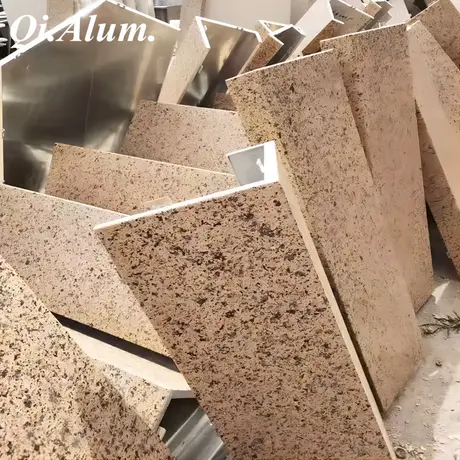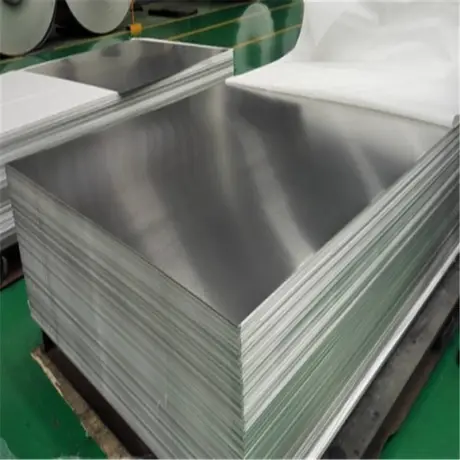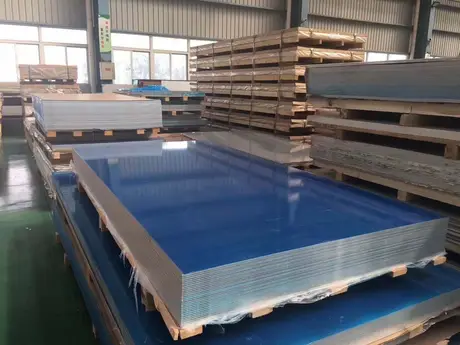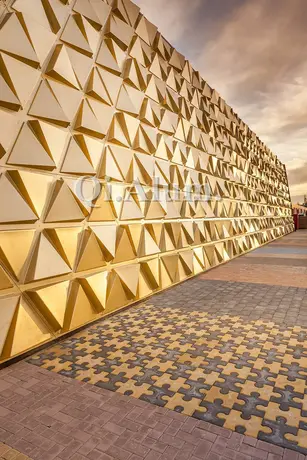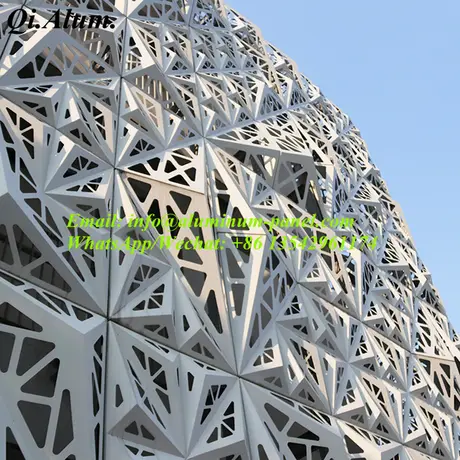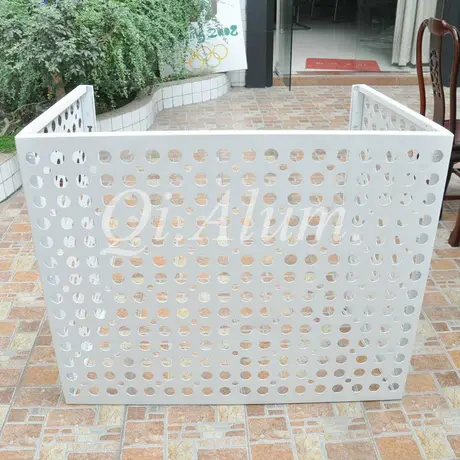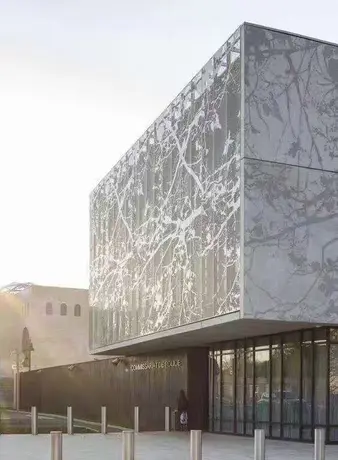
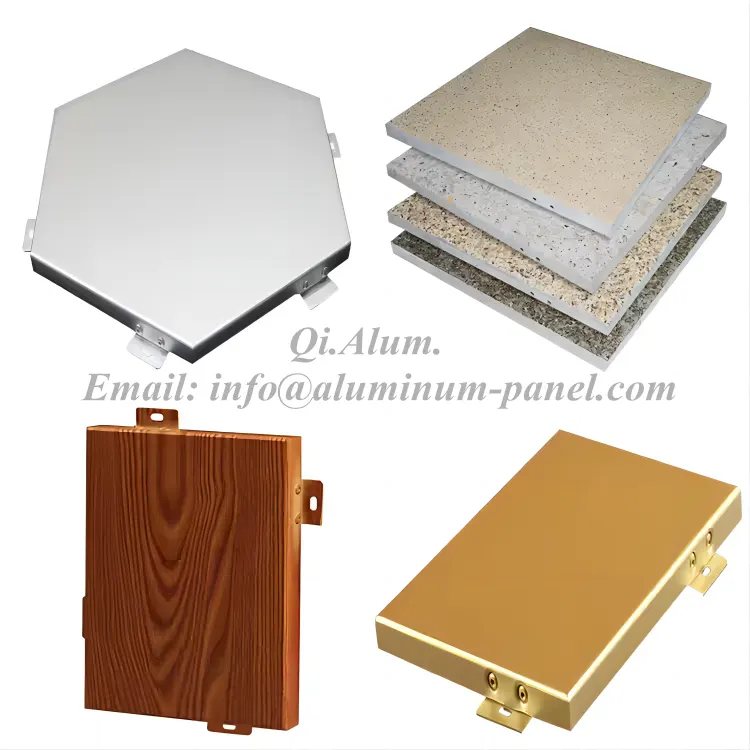
Secondly, aluminum panels are lightweight compared to traditional decoration materials. This lightweight characteristic facilitates more convenient construction, reducing pressure on the floor and walls during the installation process. It also alleviates the physical strain on construction workers.
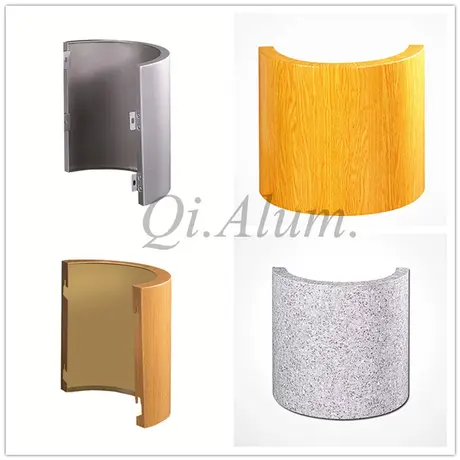
Another advantage of aluminum panel decoration is its ease of processing. Aluminum panels can be cut, bent, and assembled to meet various design requirements, accommodating different shapes and styles. Moreover, aluminum panels can undergo additional treatments such as spray coating and electroplating, offering a wider range of color options while enhancing their corrosion resistance.
Lastly, aluminum panel decoration excels in insulation and soundproofing. Aluminum panels possess good thermal insulation properties, effectively preventing heat transfer between indoor and outdoor environments, thus helping maintain comfortable room temperatures.
Despite these advantages, it is important to consider the drawbacks of aluminum panel decoration. One notable disadvantage is its relatively higher cost compared to other decorating materials. Additionally, aluminum panels may be susceptible to scratches and dents, requiring careful handling during installation and maintenance. Furthermore, aluminum panels may lack the natural aesthetic appeal often associated with materials such as wood or stone, limiting their suitability for certain design styles.
In conclusion, aluminum panel decoration offers numerous benefits such as durability, lightweight material, easy customization, and good insulation and soundproofing properties. However, it is crucial to weigh these advantages against the higher cost and potential vulnerability to damage. Ultimately, the decision to use aluminum panels for decoration should be based on the specific requirements and preferences of homeowners.