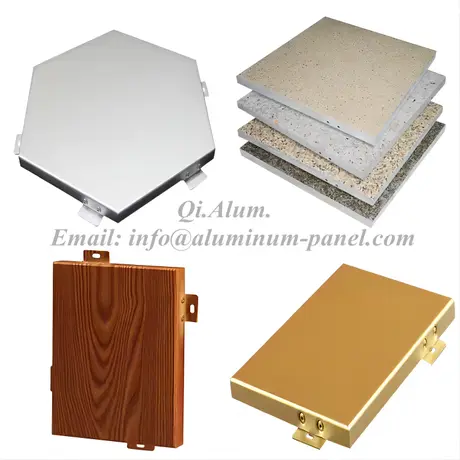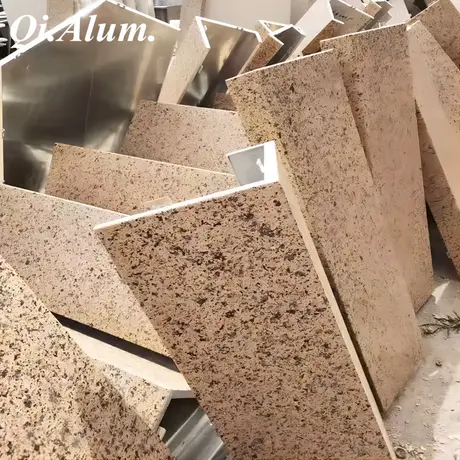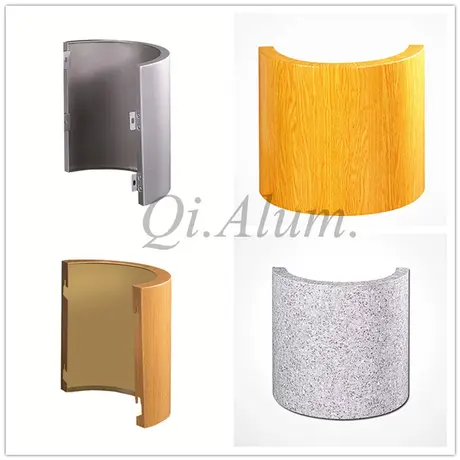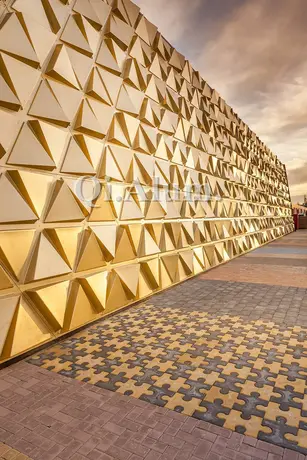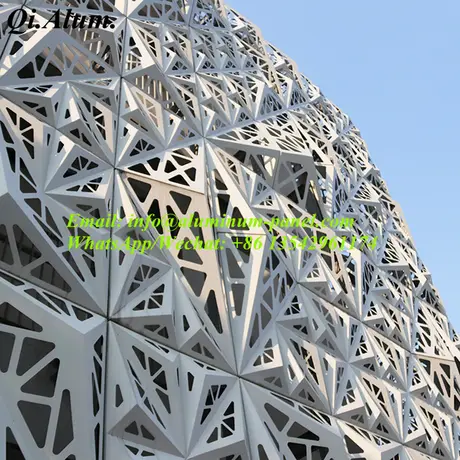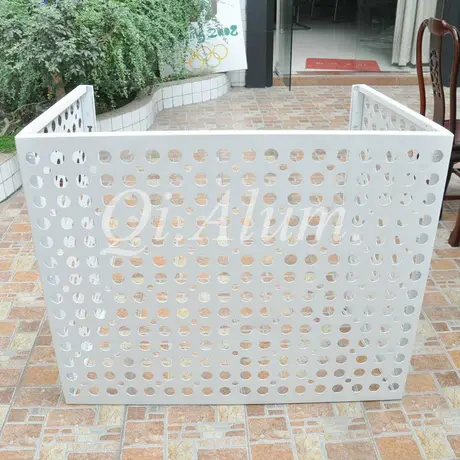
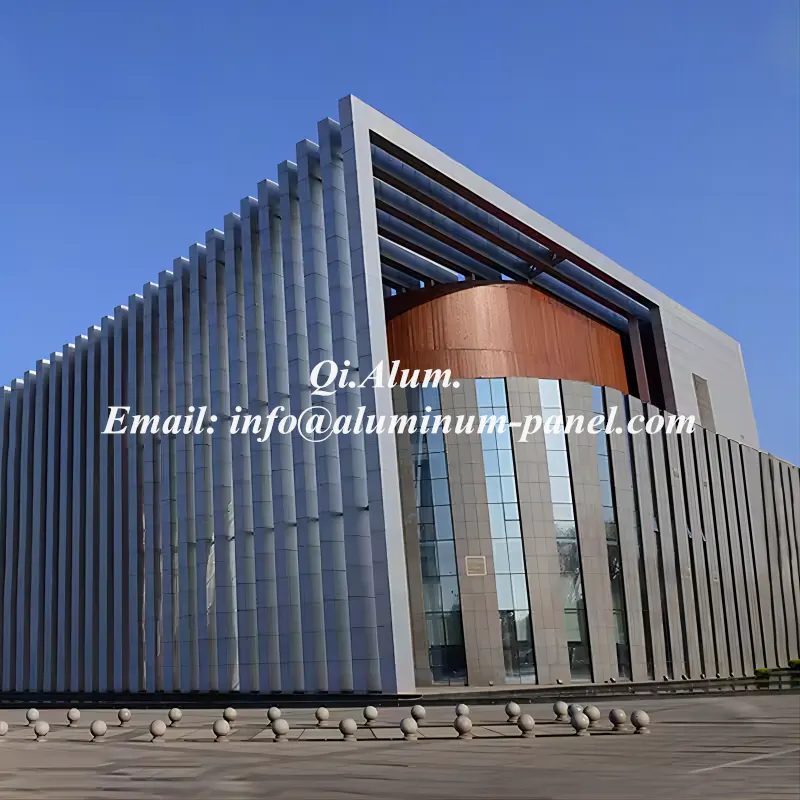
Aluminum wall cladding is widely used in commercial buildings, office towers, airports, shopping malls, hotels, and public facilities due to its durability, lightweight structure, and modern appearance. However, not all aluminum façade panels perform the same. Some projects experience fading, chalking, peeling, or panel deformation within just a few years, while high-quality systems remain attractive for decades.
Understanding the causes of these problems can help architects, contractors, and developers select the right materials and avoid costly maintenance.
1. Low-Quality Coating Systems
One of the most common reasons for premature fading is the use of standard polyester (PE) coating instead of PVDF fluorocarbon coating.
PE Coating
Lower initial cost
Suitable for interior applications
Limited UV resistance
More likely to fade, chalk, or discolor after prolonged outdoor exposure
PVDF Coating
Excellent UV and weather resistance
Superior protection against acid rain, humidity, and salt spray
Ideal for exterior wall cladding
Maintains color and gloss for decades with proper application
For buildings located in coastal areas, tropical climates, or regions with strong sunlight, PVDF coating is the preferred solution.
2. Insufficient Coating Thickness
Even when PVDF coating is specified, poor application quality can significantly reduce performance.
Common issues include
Thin primer layer
Insufficient topcoat thickness
Inconsistent coating across the panel surface
A properly applied coating system provides better protection against corrosion, moisture, and ultraviolet radiation, helping preserve the panel’s appearance over time.
3. Inferior Paint Quality
The quality of the coating material itself plays an important role in long-term durability.
High-performance architectural coatings are designed to resist:
UV degradation
Color fading
Chalking
Peeling
Chemical corrosion
Using low-grade paint may reduce the purchase price, but often leads to higher maintenance and replacement costs throughout the building’s life cycle.
4. Inadequate Panel Thickness
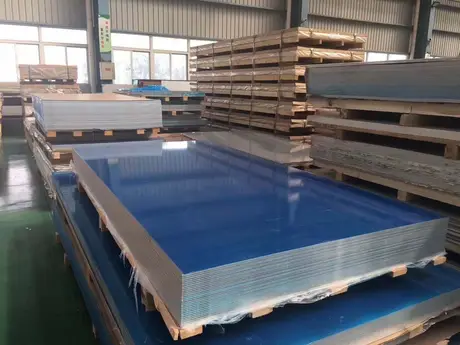
Panel deformation is often caused by selecting aluminum sheets that are too thin for the panel size.
Large-format façade panels require sufficient thickness to withstand:
Wind loads
Thermal expansion and contraction
Long-term structural stress
Choosing the correct panel thickness according to engineering requirements helps maintain a flat and stable façade.
5. Poor Structural Reinforcement
Large aluminum panels typically require properly designed stiffeners and support systems.
Without adequate reinforcement, panels may develop
Oil-canning
Surface waviness
Buckling
Permanent deformation
Professional fabrication and engineering are essential for maintaining panel stability.
6. Unsuitable Aluminum Alloy
Not all aluminum alloys are designed for architectural cladding.
Commonly used alloys for exterior façade applications include:
AA3003
AA5005
AA5052
These alloys offer excellent corrosion resistance, good formability, and long-term structural performance.
How to Choose High-Quality Aluminum Wall Cladding
Before purchasing aluminum façade panels, consider the following:
Specify PVDF coating for exterior applications.
Verify the aluminum alloy grade.
Select the appropriate panel thickness based on project requirements.
Request coating performance and quality inspection reports.
Confirm that the manufacturer has experience with large-scale façade projects.