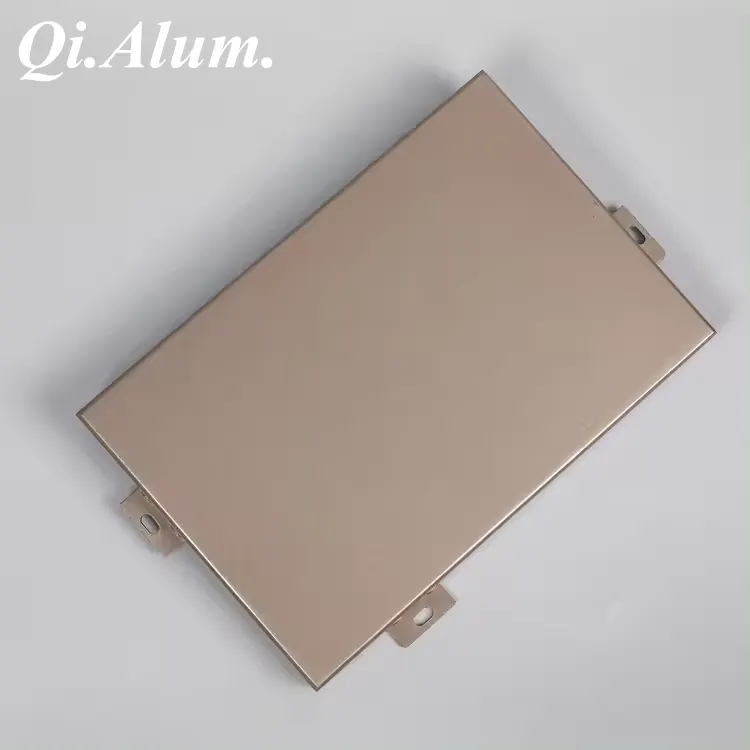
Advantages of Aluminum Panels
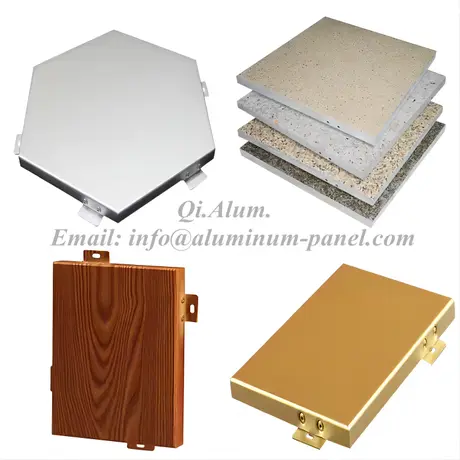
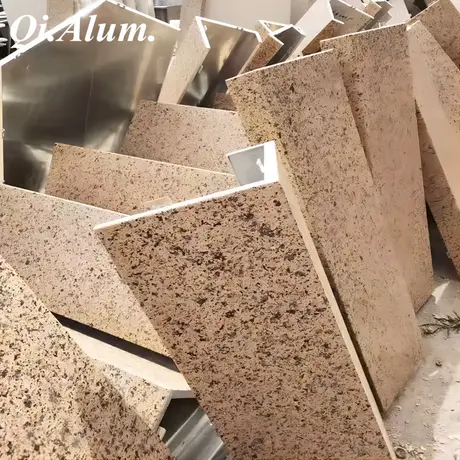
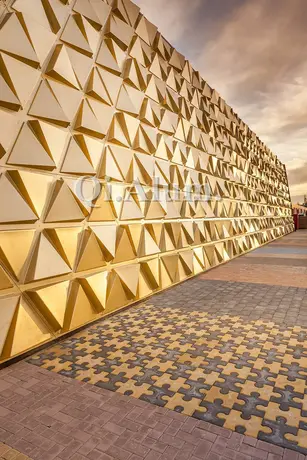
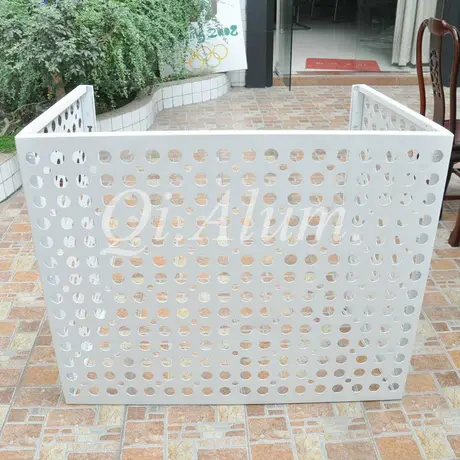
Furthermore, aluminum panels offer a wide range of colors and coatings, allowing for customization and versatility in architectural design. They can be tailor-made to meet the specific requirements of various projects and blend seamlessly with the surrounding environment. This flexibility in color and finish options ensures aesthetic appeal while maintaining functional integrity.
One of the major advantages of aluminum panels is their recyclability, which contributes to environmental sustainability. Aluminum can be recycled without losing its quality, allowing for a 100% recycling rate. This significantly reduces the need for new raw materials and minimizes the carbon footprint associated with the production process. Moreover, the high value of recycled aluminum enhances the economic viability of recycling initiatives.
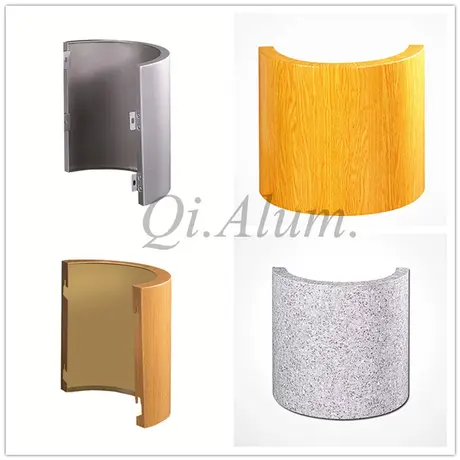
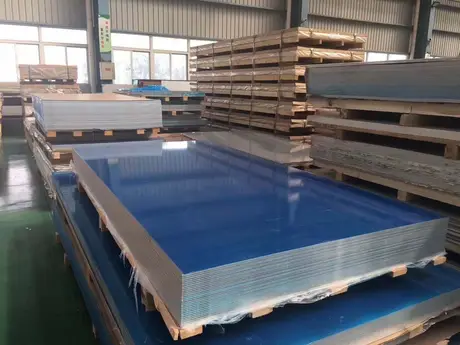
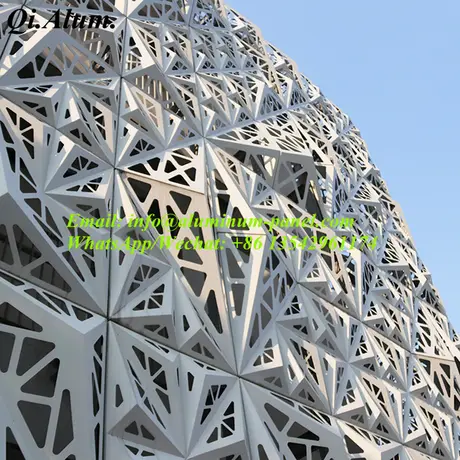
Additionally, the malleability of aluminum allows for various complex geometric shapes to be formed, making it a sought-after material for architectural applications. Whether it is a flat surface, curved structure, or even a spherical design, aluminum panels can be easily fabricated to meet the desired specifications. This versatility in manufacturing processes opens up a world of creative possibilities for designers and architects.
Lastly, the installation and construction of aluminum panels are convenient and efficient. Since the panels are pre-formed in the factory, there is no need for on-site cutting or complicated adjustments. This saves time and effort during the installation process and ensures a smooth and hassle-free construction experience.
In conclusion, the advantages of aluminum panels make them an ideal choice for modern construction projects. From their superior fire resistance and wide array of color choices to their recyclability and ease of installation, aluminum panels offer numerous benefits. Architects, designers, and builders can rely on these panels to provide both functionality and aesthetic appeal.