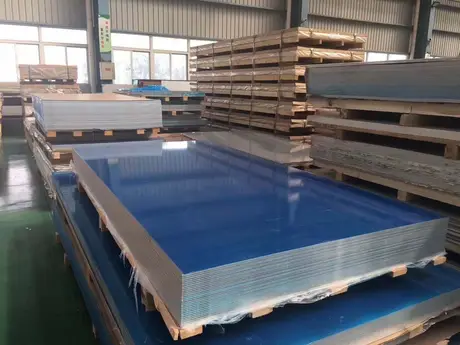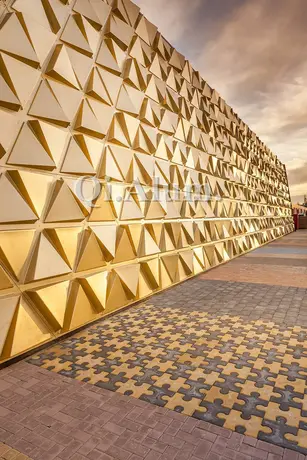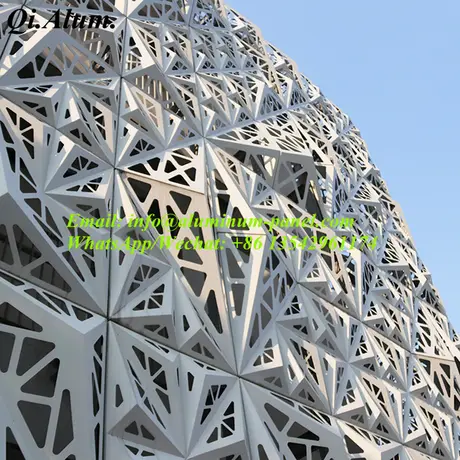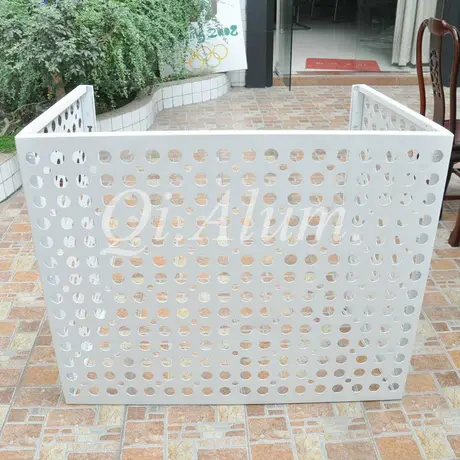
Secondly, the lightweight nature of aluminum panels is another notable advantage. Compared to traditional decoration materials, aluminum panels are much lighter, making the installation process more convenient. This reduces the pressure exerted on the floor and walls during the construction process while also minimizing the physical strain on the workers involved.
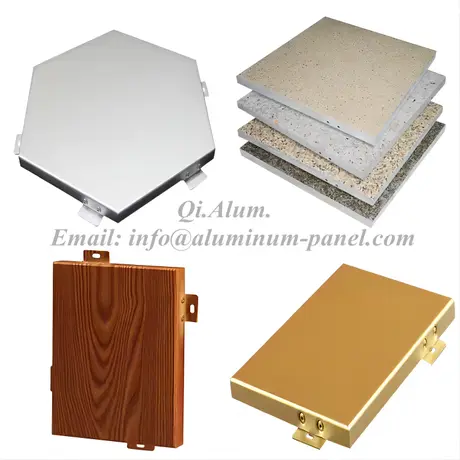
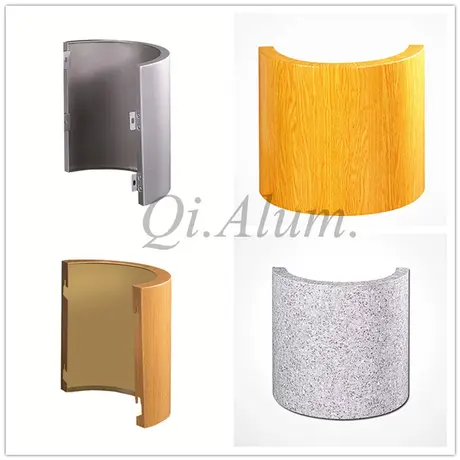
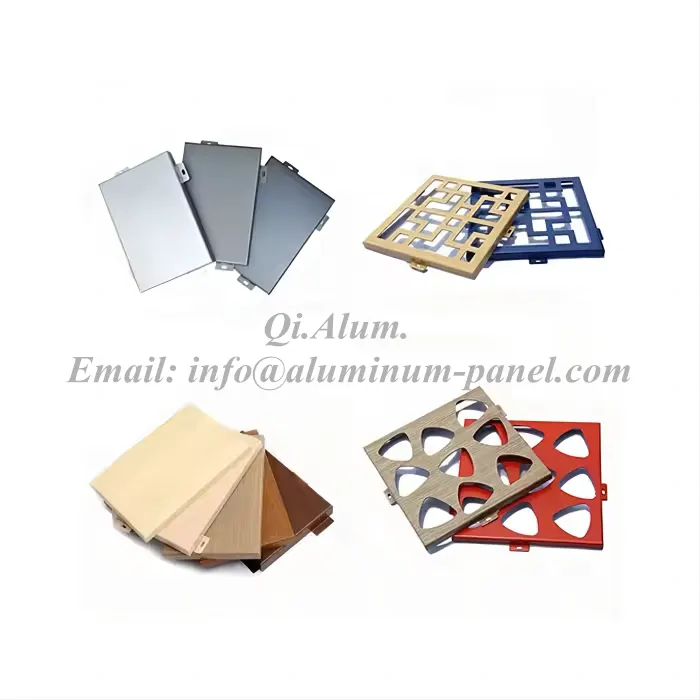
The third advantage lies in the easy workability of aluminum panels. They can be easily cut, bent, and joined together to meet various design requirements. This flexibility enables aluminum panels to accommodate different shapes and styles of decoration. Additionally, aluminum panels can be treated with painting or electroplating processes to enhance their appearance, increase the variety of colors available, and improve their resistance to corrosion.
Lastly, aluminum panel decoration offers excellent thermal insulation and soundproofing properties. Aluminum panels have good insulation properties, effectively preventing the transfer of heat between indoor and outdoor spaces, thereby helping to maintain the desired indoor temperature.
However, it is important to note that aluminum panel decoration also has its drawbacks. One such drawback is the relatively higher cost compared to other decoration materials. The initial investment in aluminum panels may be higher, but considering their durability and long-term performance, they can be a cost-effective choice in the long run.
In conclusion, aluminum panel decoration has many advantages, including durability, lightweight nature, easy workability, and excellent thermal insulation and soundproofing properties. Nevertheless, it is crucial to weigh these pros against the higher cost associated with aluminum panels. Careful consideration of individual needs and budget constraints is essential when opting for aluminum panel decoration.
https://aluminum-panel.com/wp-content/uploads/2024/04/WeChat_20240411143921.mp4