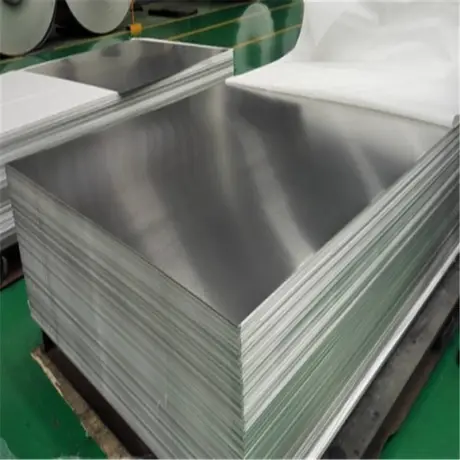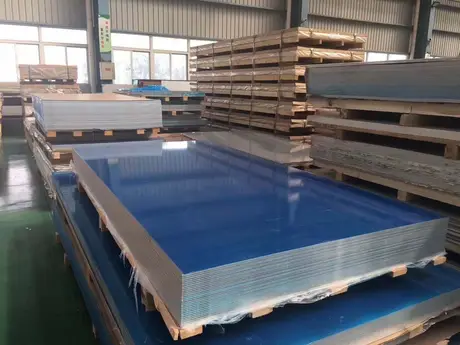
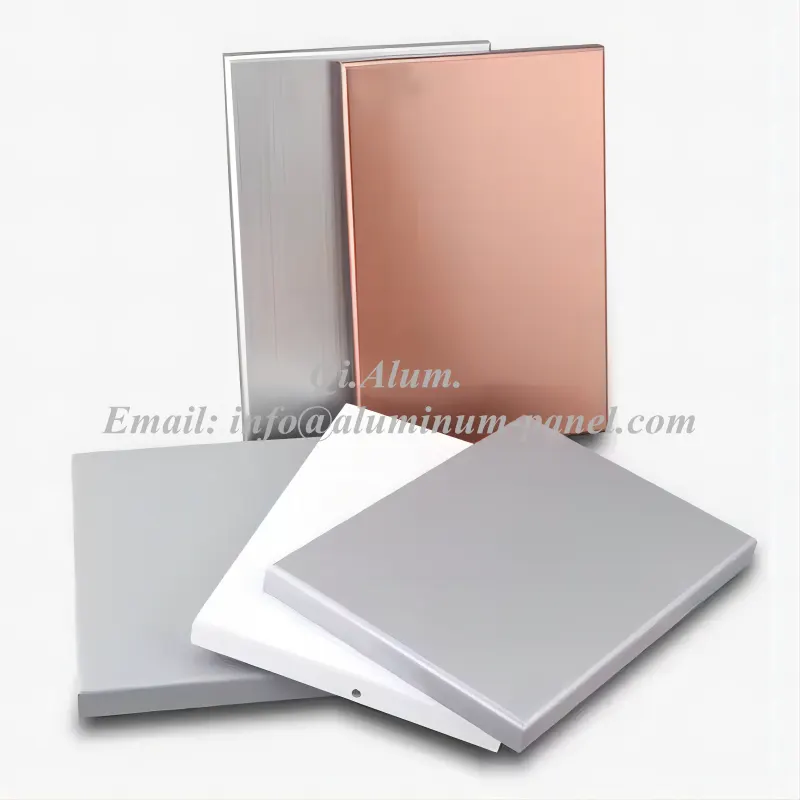
Another notable advantage is the lightweight nature of aluminum panels. Compared to traditional decoration materials, aluminum panels are much lighter. This lightweight characteristic makes the installation process more convenient, reducing the stress on floors and walls during construction and minimizing the workload for construction personnel.
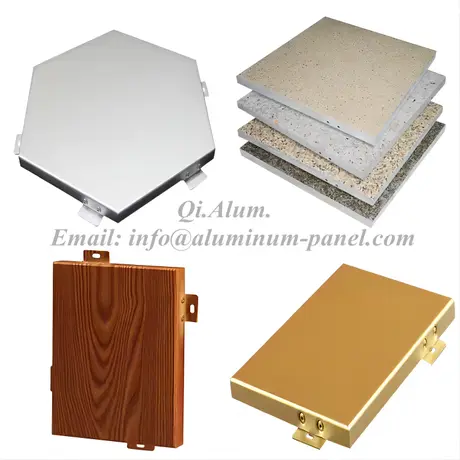
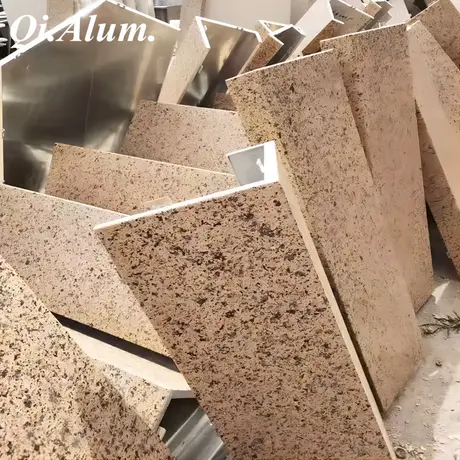
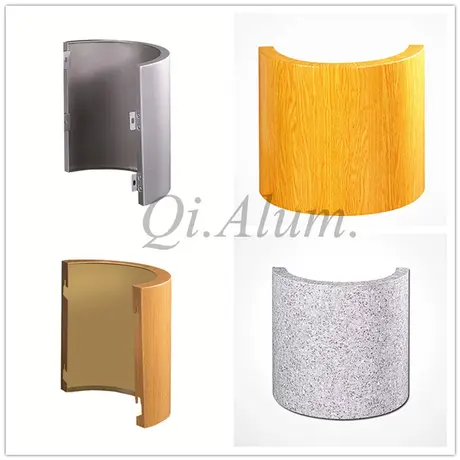
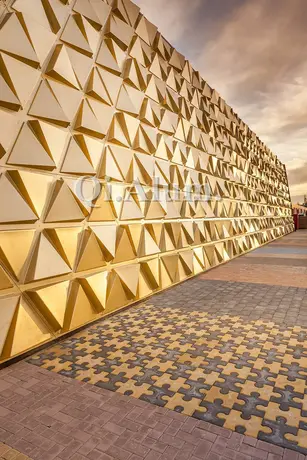
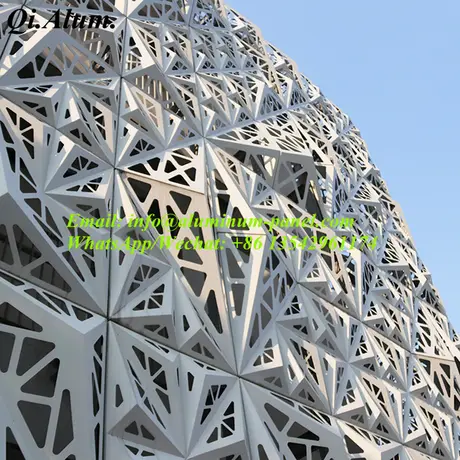
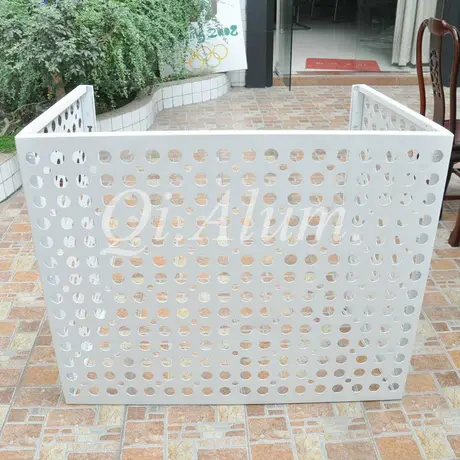
Furthermore, aluminum panels are highly versatile and easy to process. They can be easily cut, bent, and assembled according to varying design requirements. This flexibility allows aluminum panels to meet different shapes and styles of decoration demands. Additionally, aluminum panels can be treated with spray painting or electroplating to enhance their color variety and corrosion resistance.
Lastly, aluminum panels offer good insulation and soundproofing properties. They possess a certain degree of heat insulation, effectively preventing heat transfer between indoor and outdoor environments, thus maintaining a comfortable atmosphere. Moreover, aluminum panels contribute to reducing noise transmission, providing a quieter living environment.
However, it’s important to note that aluminum panel decoration also has some disadvantages. For instance, compared to other materials, aluminum panels may have higher initial costs. Additionally, if not properly maintained, aluminum panels may accumulate dirt and require regular cleaning to maintain their appearance and performance.
In conclusion, the advantages of aluminum panel decoration include durability, lightweight nature, ease of processing, and excellent insulation properties, while the drawbacks include higher initial costs and the need for regular maintenance. While aluminum panels have become increasingly popular due to their unique advantages, it’s essential to consider these factors when making decisions regarding residential decoration.