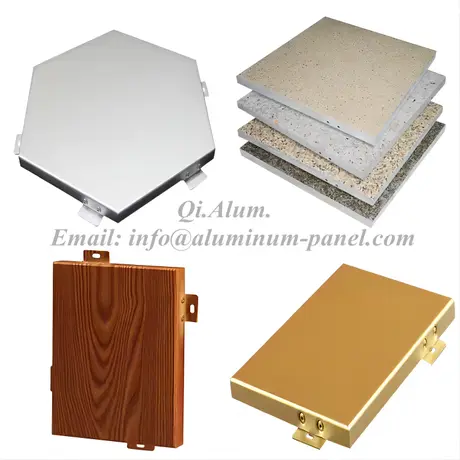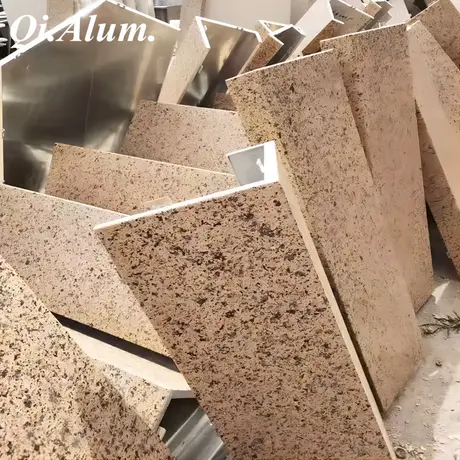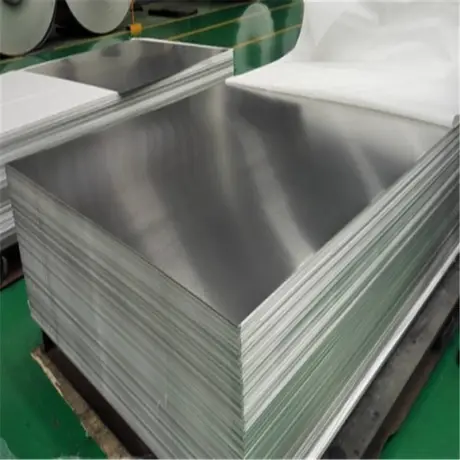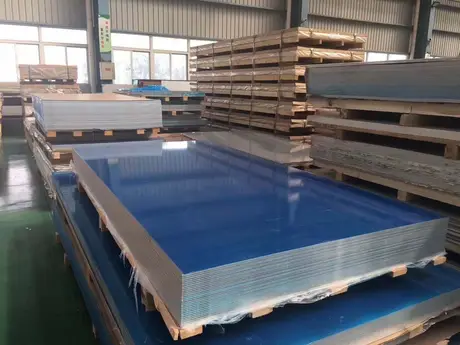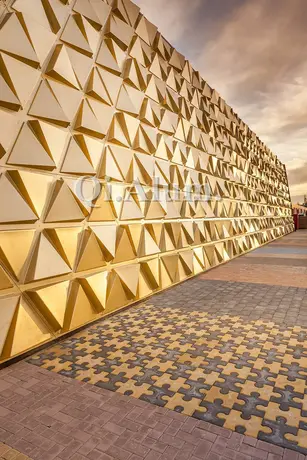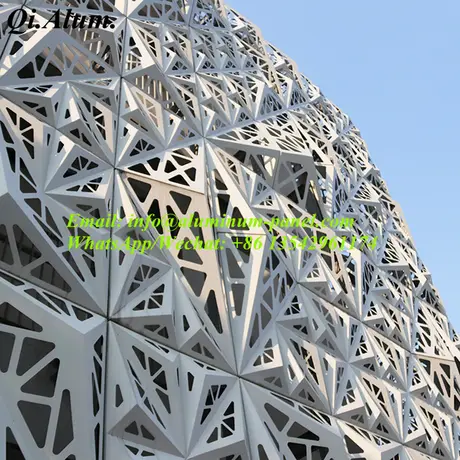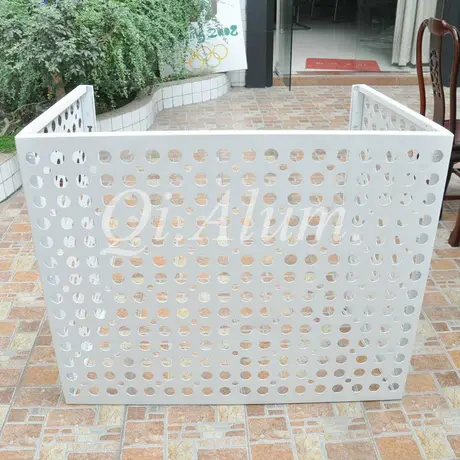
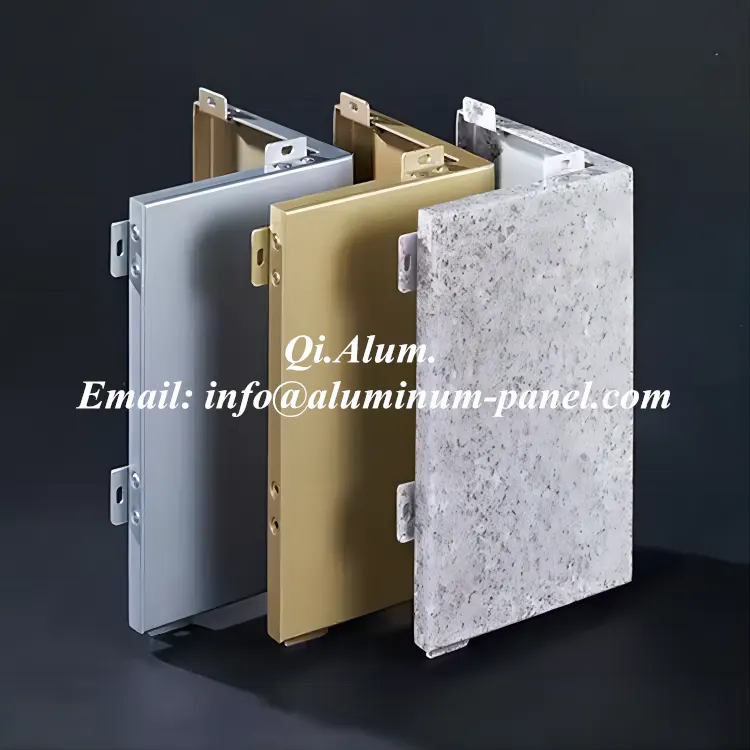
One of the major advantages of aluminum panel decoration is its durability and resistance to corrosion. Aluminum panels are known for their strength, high compression resistance, and ability to withstand damage. Additionally, they exhibit excellent corrosion resistance, preventing issues such as moisture absorption, mold growth, and rusting. These characteristics ensure that the aesthetic appeal and performance of aluminum panel decoration remain intact over prolonged use.
Another advantage of aluminum panel decoration is the lightweight nature of the material. Compared to traditional decoration materials, aluminum panels are more lightweight. This facilitates convenient installation during the decoration process, reducing pressure on the floor and walls. Simultaneously, it also alleviates the physical strain on construction personnel, making their work easier.
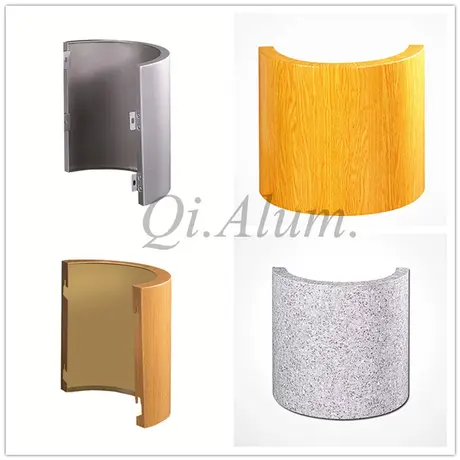
Additionally, aluminum panel decoration is favored due to its ease of customization. Aluminum panels can be easily cut, bent, and joined to meet various design requirements. This versatility allows for the realization of diverse shapes and styles in decoration projects. Furthermore, aluminum panels can be treated through processes such as spraying and electroplating, enhancing their aesthetic appeal with a wider range of colors and increasing their corrosion resistance.
Lastly, aluminum panel decoration offers excellent thermal and sound insulation properties. Aluminum panels possess good insulation capabilities, effectively preventing the transfer of heat between indoor and outdoor environments. This helps maintain comfortable indoor temperatures, reducing reliance on heating and cooling systems. Furthermore, aluminum panels also exhibit soundproofing qualities, reducing noise transmission and creating a quieter living environment.
However, it is important to note that aluminum panel decoration also has some limitations. For instance, its resistance to impact and scratching may not be as high as other materials. Moreover, while aluminum panels can be customized, installation by unskilled workers may result in improper fitting, leading to potential issues such as water leakage.
In conclusion, aluminum panel decoration offers several advantages, including durability, lightweight properties, easy customization, and excellent insulation capabilities. However, it is vital to consider the limitations, such as impact resistance and the need for skilled installation. By evaluating these factors, individuals can make informed decisions regarding the suitability of aluminum panels for their specific decoration needs.