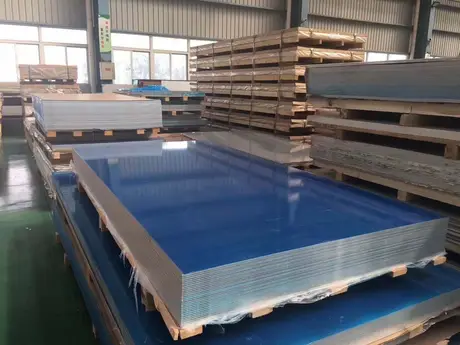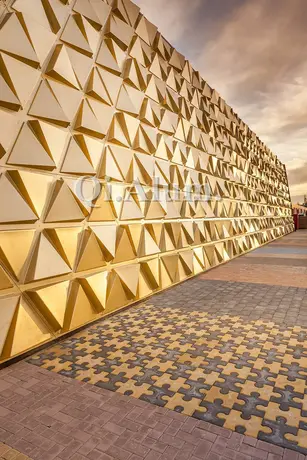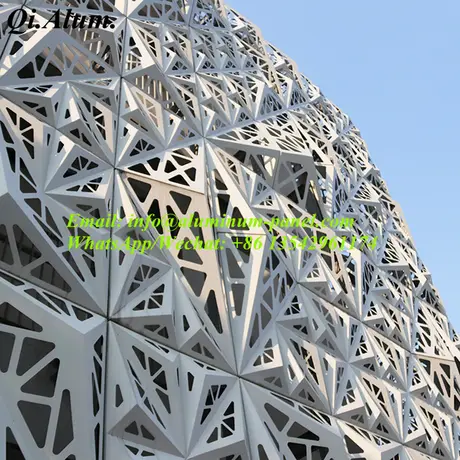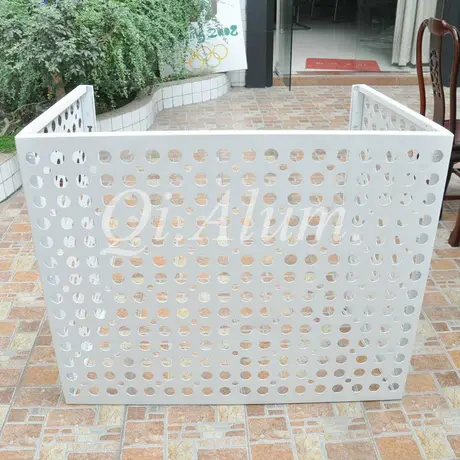
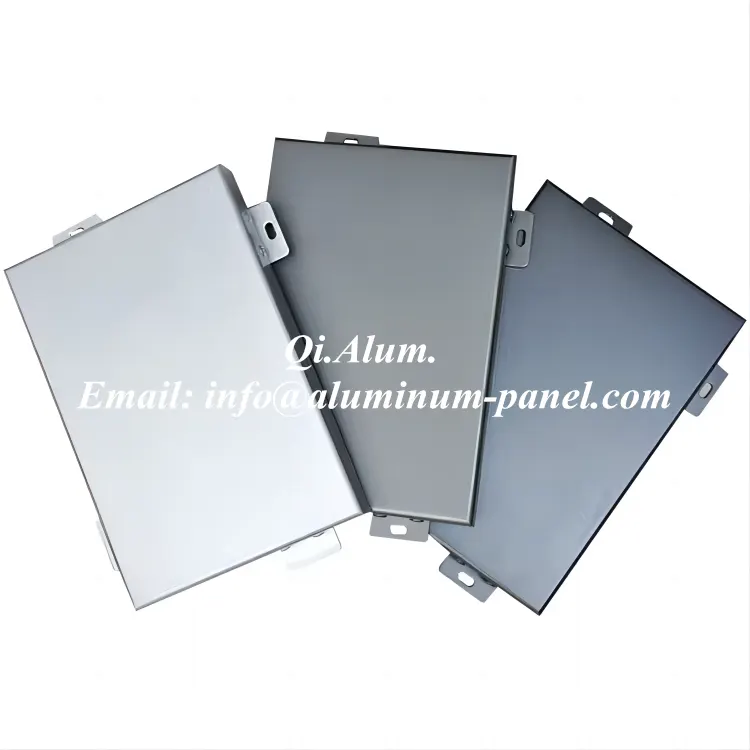
Firstly, one of the major advantages of aluminum panel decoration is its durability and resistance to corrosion. Aluminum panels are known for their solid construction and high compressive strength, making them less susceptible to damage. Additionally, aluminum panels exhibit excellent resistance to moisture, mold, and rust, ensuring that their aesthetic appearance and performance are preserved over a long period.
Secondly, aluminum panels are favored for their lightweight properties. Compared to traditional decoration materials, aluminum panels are more lightweight, making the construction process more convenient. Their reduced weight alleviates pressure on floors and walls during installation, while also minimizing the physical strain on construction workers.
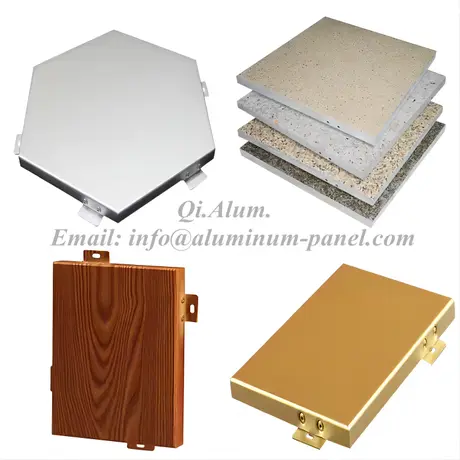
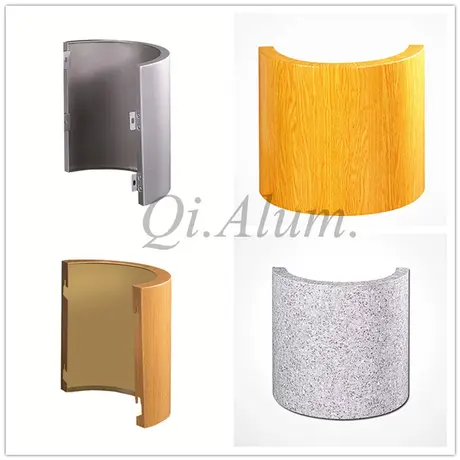
Another advantage of aluminum panel decoration is its ease of processing. Aluminum panels can be easily cut, bent, and joined according to different design requirements, facilitating various shapes and styles in decoration projects. Moreover, aluminum panels can be treated with spraying and electroplating processes, enhancing their color diversity while increasing their resistance to corrosion.
Lastly, aluminum panels offer good thermal insulation and soundproofing properties. This feature allows aluminum panels to effectively block heat transfer between the interior and exterior environments, maintaining a comfortable indoor temperature. Furthermore, aluminum panels contribute to the reduction of noise transmission, ensuring a quieter living environment.
However, it is important to acknowledge some potential drawbacks of aluminum panel decoration. For instance, aluminum panels may be more expensive compared to other decoration materials. Additionally, aluminum panels may require professional installation expertise and specialized tools. Moreover, while aluminum panels showcase excellent resistance to corrosion, they may still be subject to scratching if not handled properly.
In conclusion, the advantages of aluminum panel decoration include durability, lightweight properties, ease of processing, and thermal insulation and soundproofing capabilities. However, it is essential to consider the potential drawbacks of higher costs, specialized installation requirements, and susceptibility to scratching.