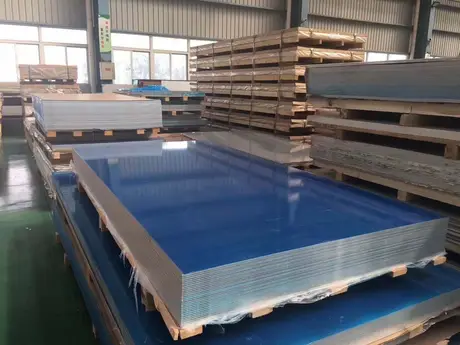
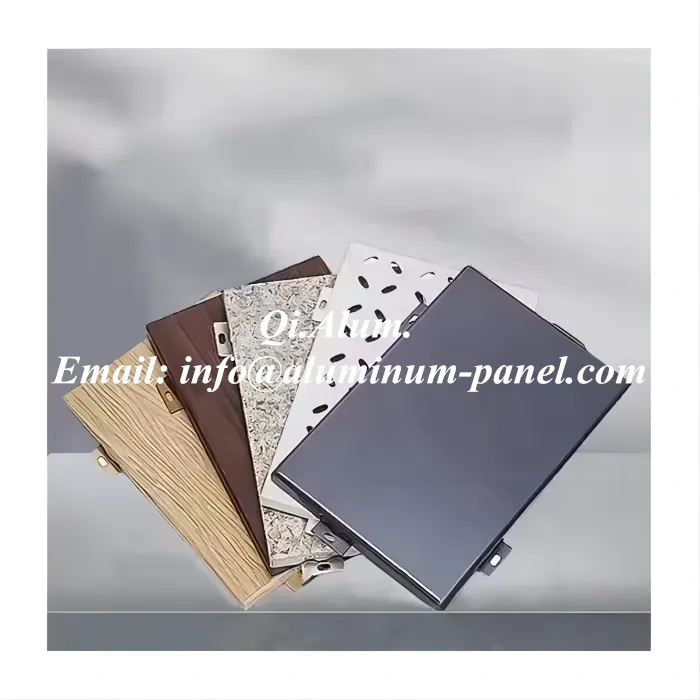
Secondly, the lightweight nature of aluminum panels is another notable advantage. Compared to traditional decoration materials, aluminum panels are more portable. As a result, the installation process becomes more convenient, reducing the pressure on the floors and walls. Moreover, it also lessens the workload for construction personnel.
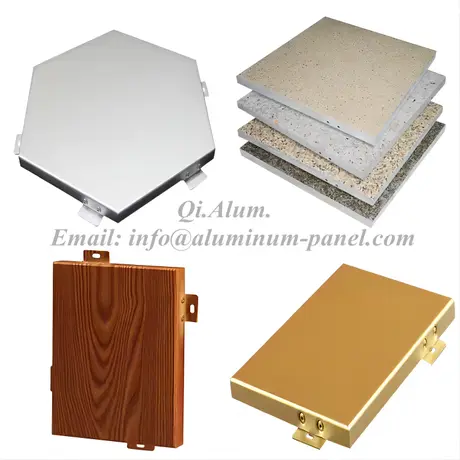
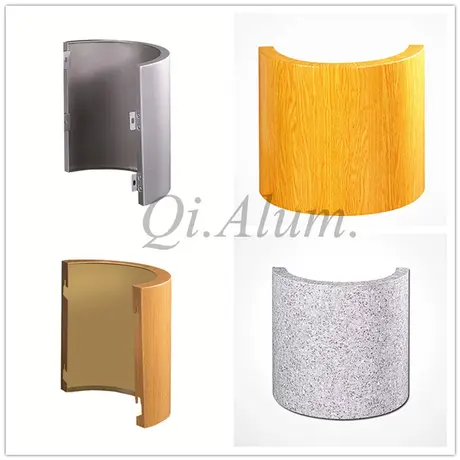
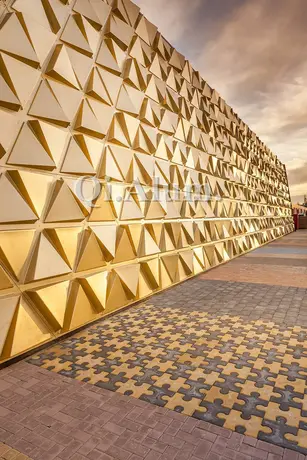
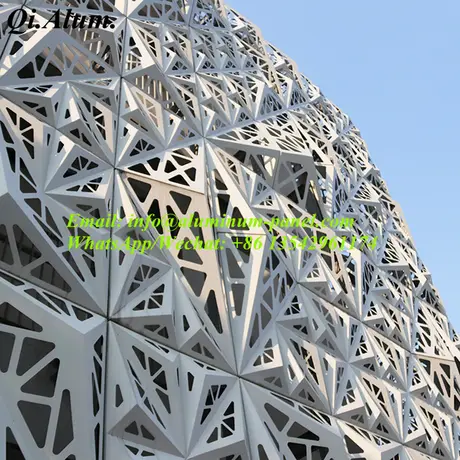
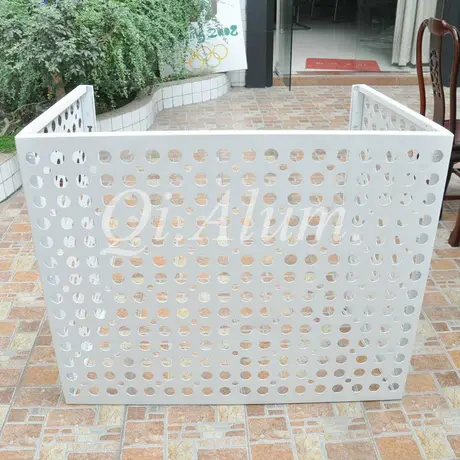
Thirdly, aluminum panels offer ease of customization. They can be easily cut, bent, and assembled according to various design requirements. This versatility enables aluminum panel decoration to cater to different shapes and styles. Additionally, aluminum panels can be treated through processes such as spraying and plating, offering a wide range of colors and enhancing their corrosion resistance.
Lastly, aluminum panel decoration boasts excellent thermal and sound insulation properties. Aluminum panels have sufficient thermal insulation capabilities, effectively preventing heat conduction between indoor and outdoor environments. This contributes to maintaining a comfortable indoor temperature year-round. Furthermore, aluminum panels also provide sound insulation, reducing unwanted noise from external sources.
However, it is important to consider some limitations of aluminum panel decoration. Firstly, the high initial cost of aluminum panels may deter budget-conscious individuals. Additionally, aluminum panels are less effective in bearing heavy loads compared to other building materials. Therefore, when using aluminum panels for structural purposes, extra reinforcements may be necessary.
In conclusion, while aluminum panel decoration offers numerous advantages, such as durability, lightweight material, easy customization, and thermal and sound insulation properties, it is essential to consider the initial cost factor and structural limitations.