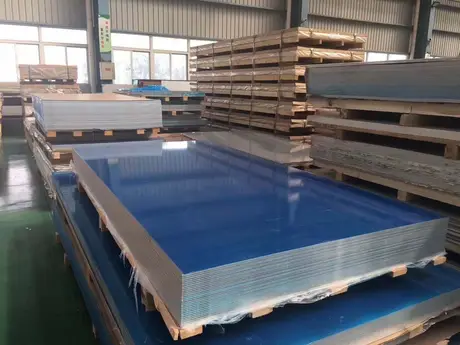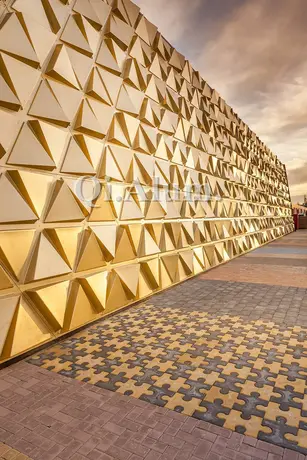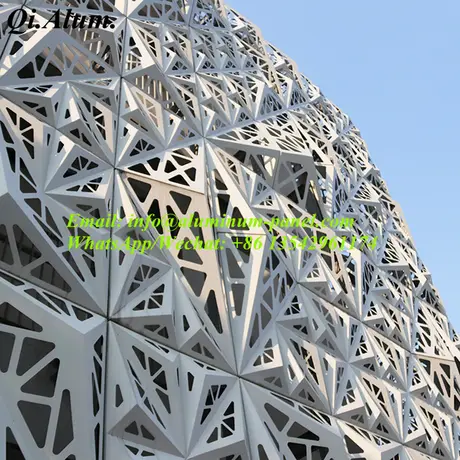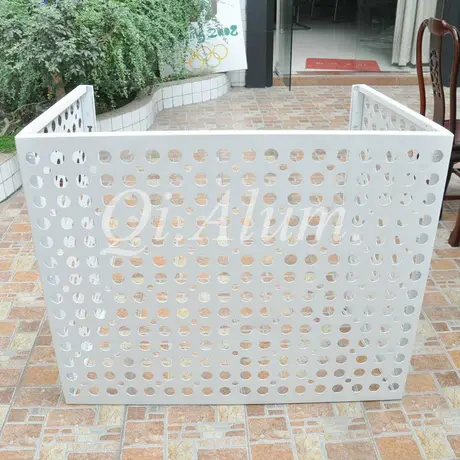
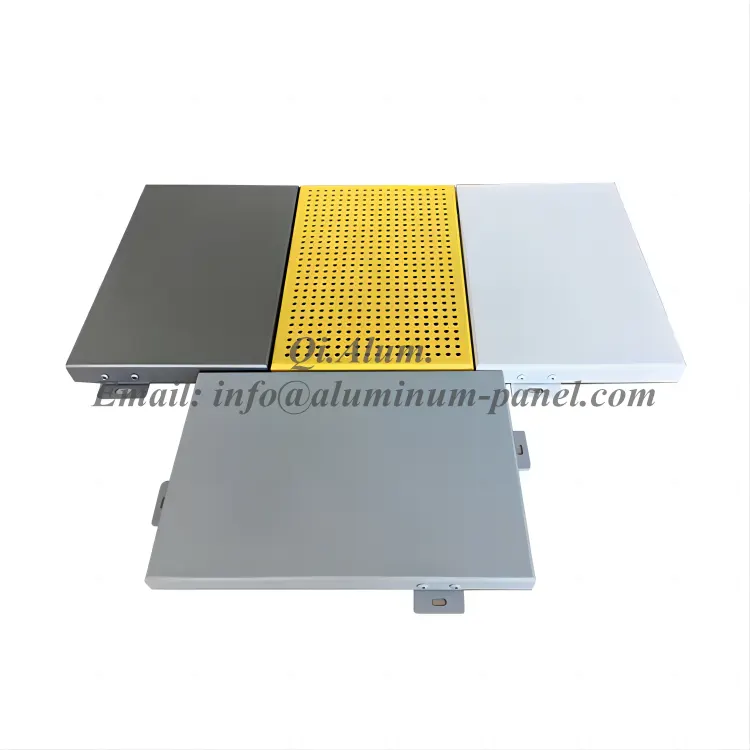
The lightweight nature of aluminum panels is another significant advantage in decoration. Compared to traditional construction materials, aluminum panels are more lightweight. This facilitates easier installation and reduces the pressure on floors and walls during the decoration process. Moreover, it eases the workload for construction personnel.
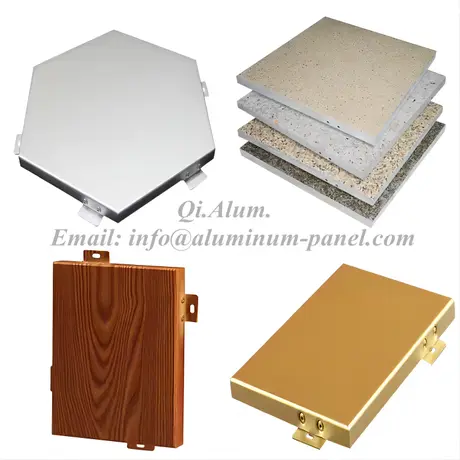
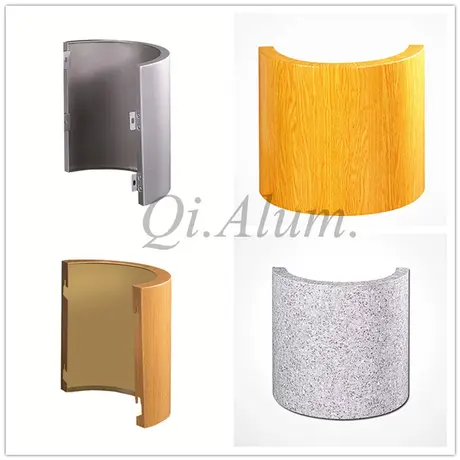
Aluminum panels are also easily customizable, which is another favorable point. They can be easily cut, bent, and joined to meet various design requirements. Additionally, aluminum panels can be treated with coatings and plating, offering a wide range of color options and enhancing the material’s corrosion resistance.
Furthermore, aluminum panel decoration exhibits excellent heat insulation and soundproofing properties. Aluminum panels have good thermal insulation, effectively preventing heat transfer between indoor and outdoor environments. This feature helps in maintaining a comfortable indoor temperature and reducing energy consumption. Additionally, aluminum panels contribute to soundproofing, minimizing noise disturbances.
However, it is essential to consider the drawbacks of aluminum panel decoration. One of the limitations is the higher cost compared to other materials, such as PVC or wood. The initial investment for aluminum panels may be higher, but it is important to note that their durability and long-term performance outweigh the costs.
In conclusion, aluminum panel decoration offers many advantages, including durability, lightweight material, easy customization, and great thermal and sound insulation properties. However, it is important to weigh these benefits against the higher cost of aluminum panels. Each individual’s specific requirements and budget should be considered when making a decision on whether to use aluminum panel decoration.