2. Corrosion Resistance: Aluminum sheets exhibit excellent corrosion resistance, allowing them to operate stably in harsh environments. The surfaces of aluminum sheets are often treated with corrosion-resistant coatings, such as anodization or protective coatings, to further enhance their resistance to corrosion.
3. Good Thermal Conductivity: Aluminum sheets have excellent thermal conductivity, enabling them to transfer heat quickly. Therefore, they are widely used in fields such as heat sinks, cooling equipment, and electronic devices.
4. Strong Plasticity: Aluminum sheets have good plasticity and can be shaped and processed through methods like cold working and hot working. This characteristic allows aluminum sheets to meet diverse shape and design requirements, making them suitable for various application scenarios.
5. Recyclability: Aluminum sheets are recyclable, which helps reduce resource consumption and environmental impact. They can be recycled and reused, contributing to a more sustainable and environmentally friendly approach.
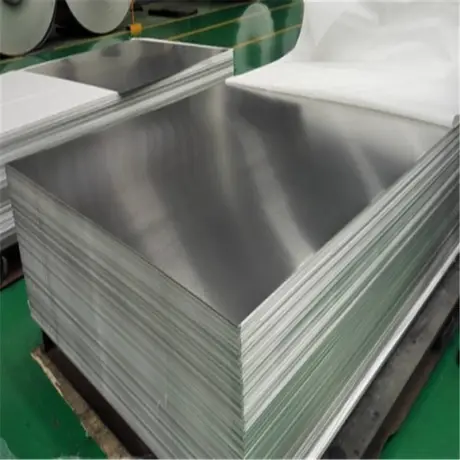
In summary, aluminum sheets possess characteristics such as lightweight and high strength, corrosion resistance, good thermal conductivity, strong plasticity, and recyclability. Depending on specific application needs, appropriate specifications of aluminum sheets, such as thickness, width, and length, can be chosen. The wide range of applications for aluminum sheets includes construction, manufacturing, transportation, and electronic equipment industries. When selecting aluminum sheets, it is important to consider their characteristics and specifications in conjunction with specific requirements and environmental considerations to ensure suitability and performance.