In recent years, the evolution of lights and tracks in China has become a pivotal aspect of urban development and transportation. This guide delves into the intricate systems that illuminate cities and facilitate efficient travel. Understanding these elements is essential for grasping how they contribute to China’s rapid modernization and urban planning.
Readers can expect to explore the technological advancements in lighting solutions, including energy efficiency and smart city integration. Additionally, the guide will cover the various types of transportation tracks, from high-speed rail to urban transit systems, highlighting their impact on connectivity and economic growth.
By examining case studies and innovative projects, this guide aims to provide insights into the challenges and successes faced in implementing these systems. Ultimately, readers will gain a comprehensive understanding of how lights and tracks shape the daily lives of millions and drive China’s future.
Illuminating the Landscape: a Comprehensive Guide to LED Track Lighting in China
China has rapidly become a global leader in LED track lighting manufacturing, driven by innovation, competitive pricing, and a commitment to quality. This guide delves into the technical aspects, diverse types, and key considerations for selecting LED track lighting from Chinese manufacturers like Rodec Light (www.rodec-light.com), GRNLED (grnled.com), Unitop (www.unitopledstrip.com), Besen (besenledlight.com), and VST-Lighting (www.vst-lighting.com).
Understanding LED Track Lighting
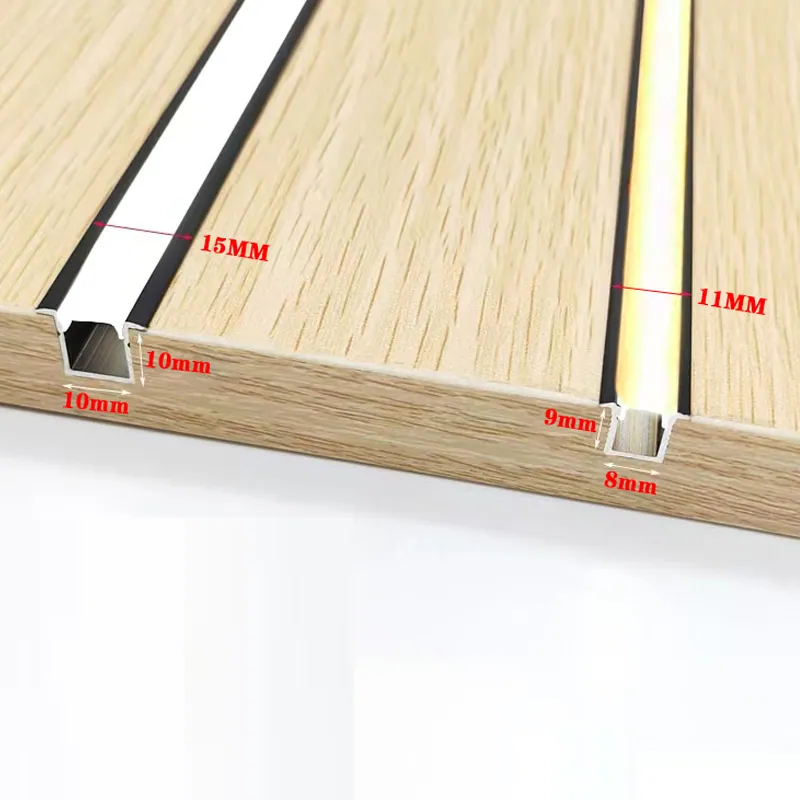
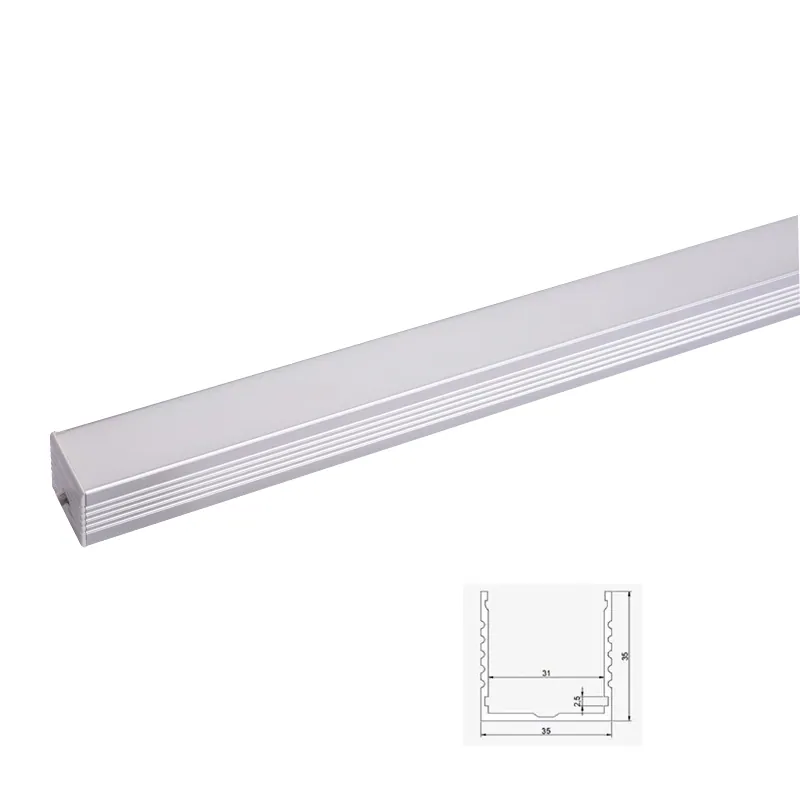
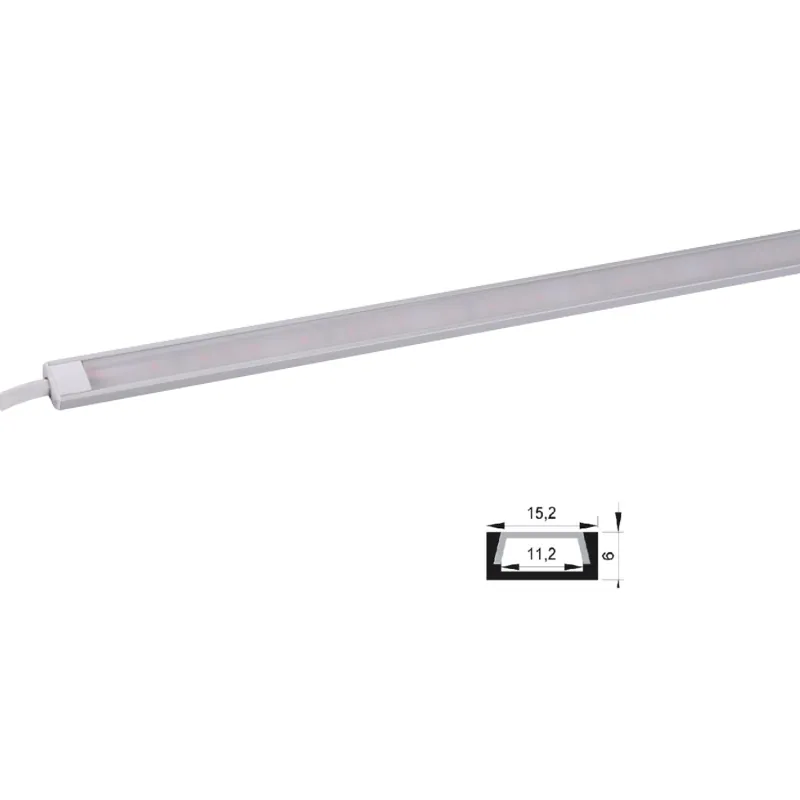
LED track lighting systems consist of three primary components: the track, the heads, and accessories. The track serves as the power conduit and mounting system. Heads, offering various designs and functionalities, attach to the track. Accessories, such as connectors and adapters, allow for flexible track configurations. This modularity allows for adaptable and customizable lighting solutions. The system’s energy efficiency is a significant advantage over traditional lighting systems.
Technical Features of LED Track Lights
The following table compares key technical features across different LED track lights:
| Feature | Description | Advantages |
|---|---|---|
| Wattage | Power consumption of the light head | Lower wattage indicates higher energy efficiency. |
| Lumens | Light output | Higher lumens indicate greater brightness. |
| CRI (Color Rendering Index) | Accuracy of color reproduction | Higher CRI values (above 90) provide more accurate color representation. |
| Beam Angle | Spread of the light beam | Different beam angles suit various applications (e.g., spot, flood, wash). |
| Dimmability | Ability to adjust brightness | Offers greater control over lighting ambiance. |
| Smart Capabilities | Integration with smart home systems | Enables remote control and automation. |
| Material | Construction material (e.g., aluminum, plastic) | Affects durability, heat dissipation, and aesthetics. |
| IP Rating | Water and dust resistance (for outdoor use) | Essential for outdoor applications to ensure longevity and safety. |
Types of LED Track Lighting Systems
The following table highlights the differences between common track lighting systems:
| Track Type | Description | Advantages | Disadvantages |
|---|---|---|---|
| H-Track | Most common type, simple H-shaped profile | Easy installation, wide head compatibility, cost-effective | Less design flexibility compared to other types |
| J-Track | Slightly different profile than H-track, often used in commercial settings | Suitable for diverse applications, robust construction | May have limited head compatibility depending on the manufacturer |
| L-Track | Less common, robust construction for heavy-duty applications | High durability, ideal for demanding environments (e.g., museums, galleries) | Less versatile in terms of head compatibility and design flexibility |
| Monorail | Single-circuit system, often used for simpler lighting arrangements | Simple and cost-effective for smaller applications. | Limited flexibility and customization compared to multi-circuit systems |
| Multi-Circuit (2/3-circuit) | Offers independent control over multiple light heads on a single track | Enhanced lighting control, flexibility in creating diverse lighting scenes. | More complex installation, potentially higher cost |
| Magnetic Track | Uses magnets to attach heads to the track; often low voltage (DC) | Easy installation and reconfiguration, flexible design, low voltage safety. | May have lower maximum wattage per head, requires specific magnetic heads. |
Choosing the Right Manufacturer
When selecting a manufacturer, consider factors like product quality, certifications (e.g., ISO 9001, CE, RoHS), customer service, and sustainability initiatives. Companies like GRNLED emphasize their 5-year warranty and use of high-quality chips from brands like Cree and Citizen. Unitop focuses on its range of LED strip lights and neon flex, while Besen highlights its commitment to innovation and sustainable practices. VST-Lighting prioritizes energy efficiency, boasting an 80% reduction in energy costs. Thorough research and comparing offerings across these manufacturers are crucial.
Conclusion
China’s LED track lighting industry offers a vast array of high-quality, innovative, and cost-effective solutions. By carefully considering the technical features, choosing the appropriate track system, and selecting a reputable manufacturer, you can create a lighting system that perfectly meets your needs. Whether it’s for residential or commercial applications, the flexibility and energy efficiency of LED track lighting make it a compelling choice.
FAQs
1. What is the difference between single-circuit and multi-circuit track lighting?
Single-circuit systems have one power source controlling all heads. Multi-circuit systems allow for independent control of groups of heads, offering more flexibility in lighting design.
2. How do I determine the appropriate wattage for my LED track lights?
Consider the space’s size and the desired brightness level. Consult the manufacturer’s recommendations and calculate the total lumens needed. Higher lumens indicate greater brightness.
3. Are all LED track lights dimmable?
No, dimmability depends on the specific model and its compatibility with dimmer switches. Always check the product specifications before purchasing.
4. Can I install LED track lights myself?
Simple installations may be DIY-friendly, but complex systems or those requiring electrical work should be handled by a qualified electrician. Safety is paramount.
5. What certifications should I look for when choosing an LED track light manufacturer?
Look for certifications such as ISO 9001 for quality management, CE for European compliance, and RoHS for restricted hazardous substances. These indicate adherence to international standards.