[email protected] +86 13530368057 Xixiang, Bao'An District, Shenzhen, China
Enquiries answered within 12 hours
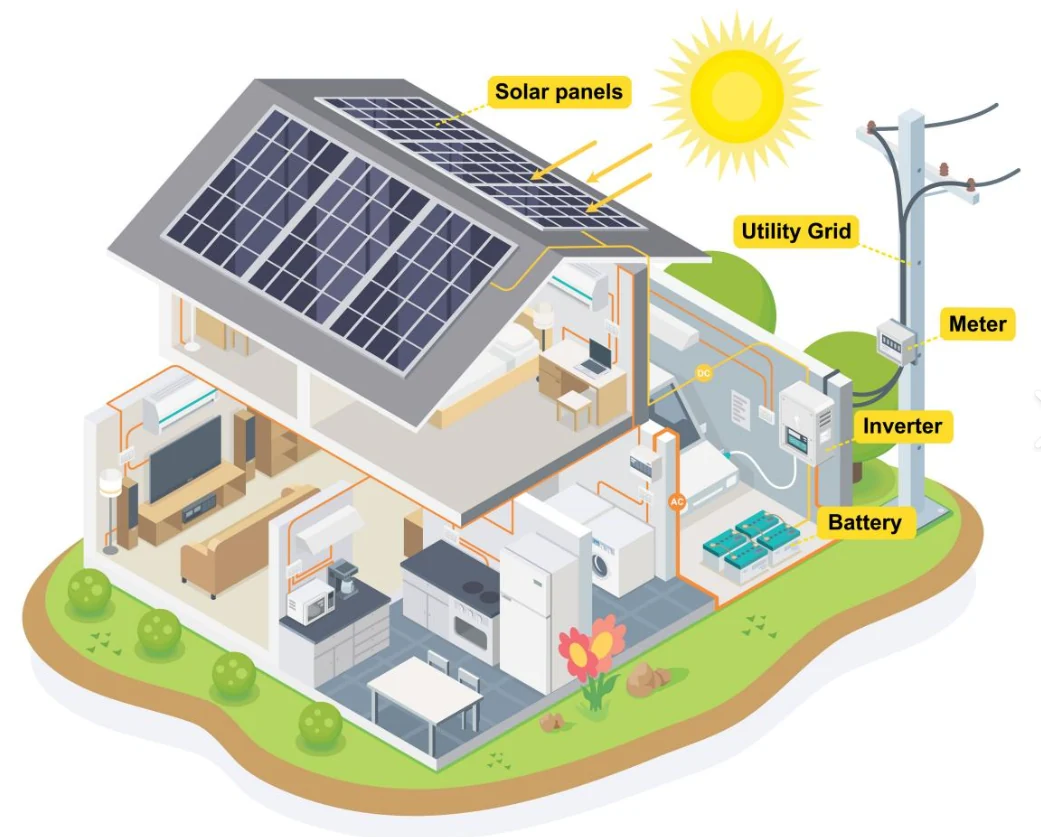
Illustration of a house cross-section showing a solar power system with roof panels, inverter, battery, and grid connection.
Knowledge Center

How to Build up Proper Solar Energy System for Residential Use?

Steps to design a residential solar system: define the energy problem, calculate daily load, choose system type, size array and battery, match inverter and co

Define the Energy Problem First

Start by identifying whether the goal is to reduce electricity bills, avoid power cuts, or supply power to a remote location. This determines if a grid-tie, hybrid, or off-grid system is appropriate. A grid-tie system connects to the utility grid and may qualify for subsidies. An off-grid system operates independently and requires battery storage. A hybrid system combines both, offering backup and grid export capability.

Illustration of a house cross-section showing a solar power system with roof panels, inverter, battery, and grid connection.

Determine Daily Energy Consumption

List all appliances that will run on solar power and calculate their daily watt-hour usage. Add up the total to estimate the system's required capacity. This number sets the minimum size for the solar array and battery bank. Use actual appliance labels or power ratings to avoid overestimating or underestimating load.

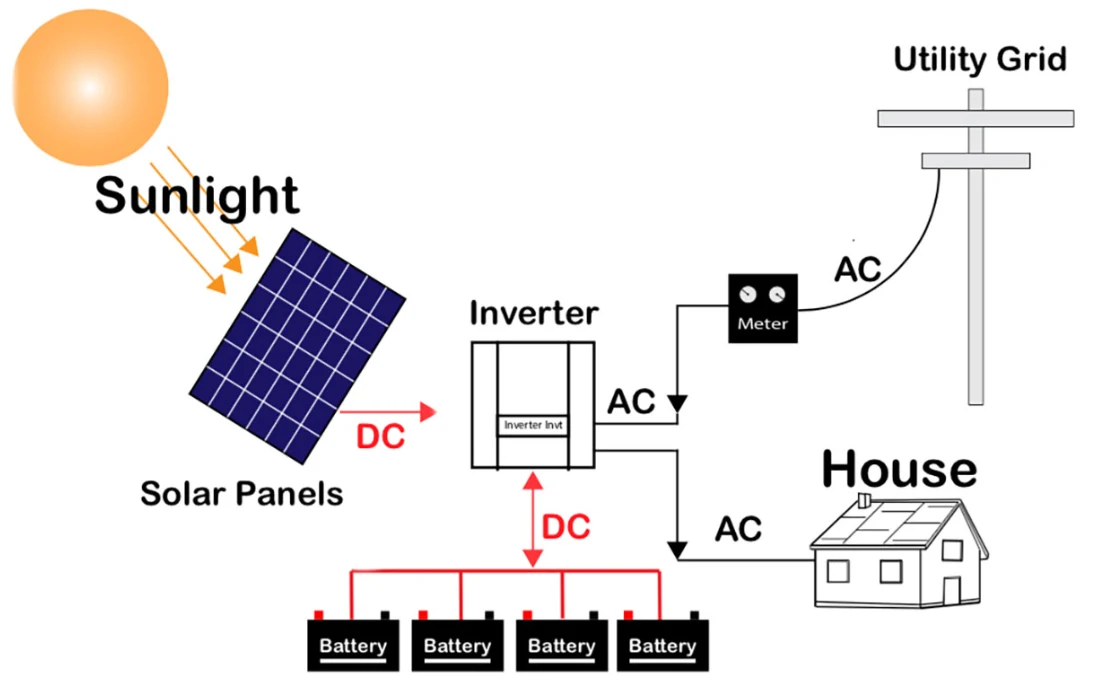
Diagram showing a solar power system with sunlight, solar panels, inverter, batteries, and a house.

Choose the System Type Based on Site Conditions

If the site has reliable grid access and supportive policies, a grid-tie system is cost-effective. For areas with frequent outages or no grid access, an off-grid or hybrid system is necessary. Off-grid systems require careful sizing of batteries and solar panels to meet daily demand without grid support. Hybrid systems need a hybrid inverter and battery bank to manage both grid and solar inputs.

Size the Solar Array to Match Daily Load

The solar array must generate enough energy to cover daily consumption and charge the battery bank. Use local solar irradiance data to estimate daily peak sun hours. Multiply daily kWh by 1.2 to account for losses and inefficiencies. Then divide by peak sun hours to get the required array size in kilowatts.

Plan for Mounting and Wiring

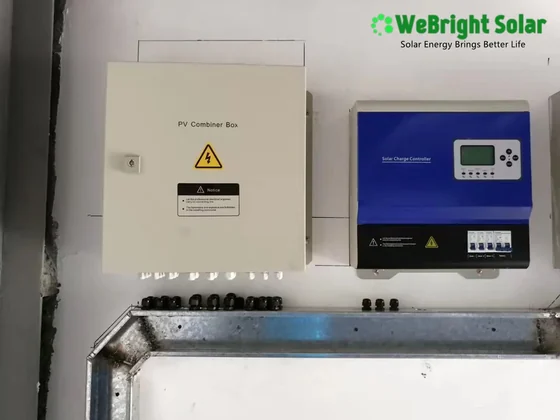
Roof or ground mounting structures must support the array weight and local wind and snow loads. Confirm module dimensions and frame type before finalizing the mounting design. Use MC4 connectors and PV cable sized for the string current and voltage. Include a combiner box and DC disconnect for safety and maintenance.

Products Mentioned

Equipment Behind This Guide

FAQ

Questions From This Guide

What is the difference between grid-tie, hybrid, and off-grid systems?

A grid-tie system connects to the utility grid and exports surplus power. A hybrid system works with the grid and includes battery backup. An off-grid system operates independently with no connection to the grid and relies entirely on solar and batteries.

How do I calculate how much solar system I need for my home?

Add up the daily watt-hour usage of all appliances. Multiply by 1.2 for system losses. Divide by the average peak sun hours in your location to get the required array size in kilowatts.

Can I use a grid-tie system if my area has frequent power cuts?

Not reliably. A grid-tie system shuts down during outages for safety. Use a hybrid or off-grid system with battery storage to maintain power during outages.

What battery type should I choose for a residential solar system?

LiFePO4 batteries offer longer cycle life and deeper discharge. GEL batteries are lower cost but have shorter lifespan and require careful charging. Choose based on budget and expected system life.

Do I need a hybrid inverter for a hybrid system?

Yes. A hybrid inverter manages both grid connection and battery charging/discharging. It allows the system to operate in multiple modes: grid-tie, off-grid, or hybrid.

Turn This Into a Specification

Send your load list and site conditions and we will apply the guidance above to a configuration you can order.