[email protected] +86 13530368057 Xixiang, Bao'An District, Shenzhen, China
Enquiries answered within 12 hours
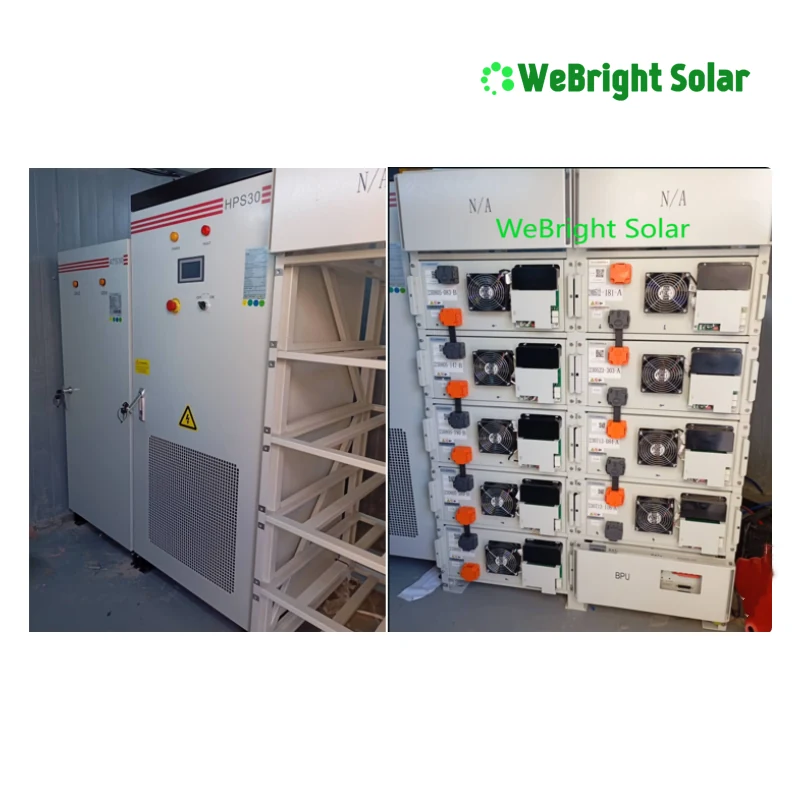
Split view of a large white industrial power unit and an open electrical cabinet with multiple fans.
Knowledge Center

How to Achieve 100% Solar Energy Self-Sufficiency for Your Villa with a 30kW Solar Hybrid PV Storage System in Djibouti?

A 30kW solar hybrid system with 129kWh storage and 34.4kW panels delivers 100% energy self-sufficiency for a villa in Djibouti, cutting electricity costs by 8

Start With the System Voltage and Load Profile

A 30kW three-phase hybrid system requires a compatible inverter, battery bank and solar array designed for the villa’s daily energy consumption. Define the load profile first—peak usage times, continuous loads and backup duration—before selecting components to avoid undersizing or overspending.

Split view of a large white industrial power unit and an open electrical cabinet with multiple fans.

Match the Inverter to the Grid and Generator Interface

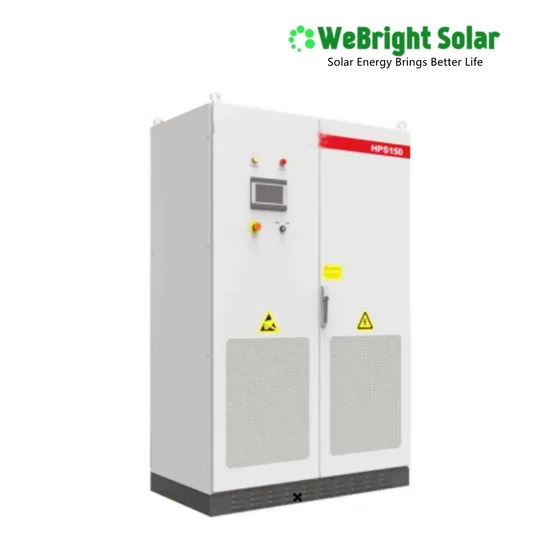
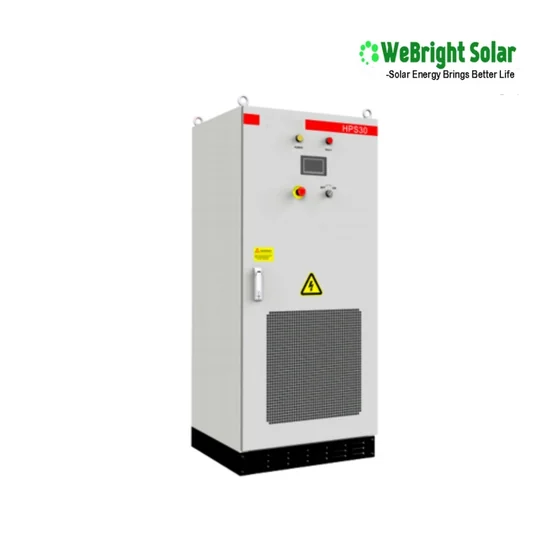
The 30kW 3-phase smart solar hybrid inverter connects to both the AC grid and a backup generator. Ensure the generator’s output voltage and frequency match the inverter’s input range. The inverter manages seamless switching between solar, battery, grid and generator without load interruption.

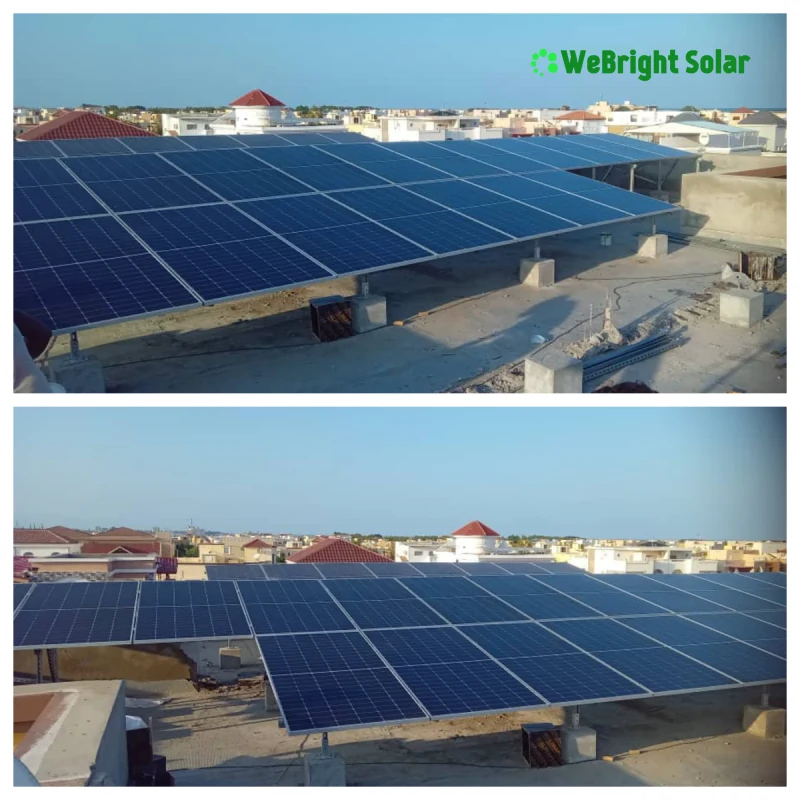
Collage of two photos showing blue solar panels installed on a rooftop.

Size the Battery Bank for Night and Outage Use

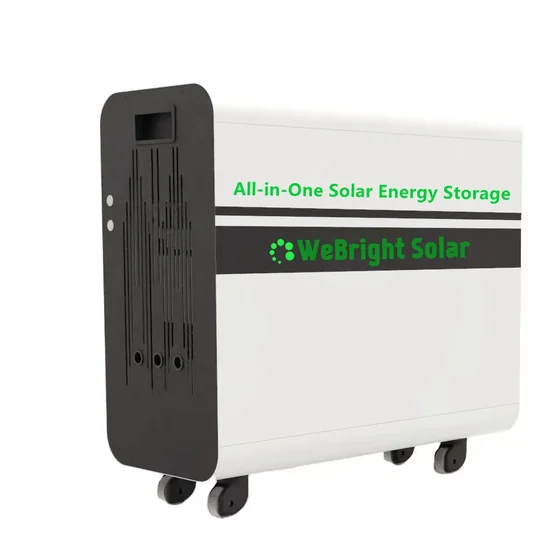
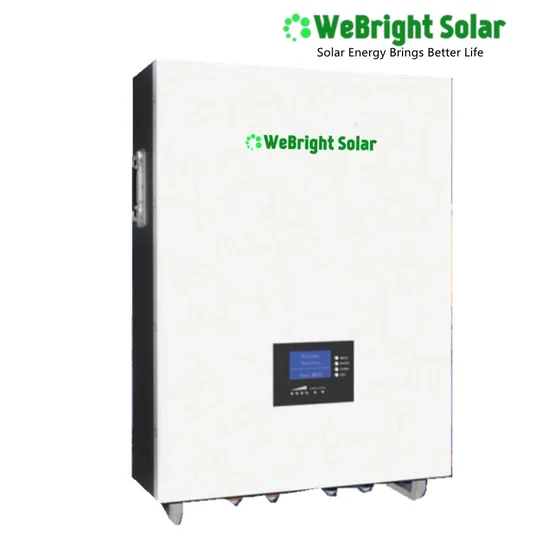
The 129kWh lithium-ion battery bank (EVE, 8,000-cycle lifespan) supports full operation during nighttime and grid outages. Calculate the required runtime based on the villa’s critical load and the longest expected outage duration to avoid under-sizing.

Use High-Efficiency Panels for Limited Roof Space

34.4kW of mono-crystalline panels with a 22% conversion rate deliver maximum output per square metre. This is essential on rooftops where space is constrained and solar yield must be maximized despite Djibouti’s high ambient temperatures.

Design the Mounting System Before Panel Selection

The roof structure must support the panel weight and withstand wind loads. Custom mounting brackets are designed based on the panel’s frame dimensions and roof pitch. Confirm the panel model before finalizing the bracket layout to avoid on-site modifications.

Verify Cable and Connector Ratings for System Voltage

PV cables and MC4 connectors must be rated for the system’s maximum open-circuit voltage. The string configuration must stay within the inverter’s MPPT input range. Use 4mm2 or 6mm2 single-core cables for most residential arrays in this range.

Include a Combiner Box and Monitoring for Safety and Control

The PV combiner box protects the array with fuses and isolators. The smart energy management system provides real-time monitoring and AI-driven load optimization, ensuring the system runs at peak efficiency and alerts on faults.

Products Mentioned

Equipment Behind This Guide

FAQ

Questions From This Guide

Can the system operate without the grid or generator?

Yes. The system runs in off-grid mode using solar and battery storage, providing full power during grid outages and generator failure.

What battery type is used and how long does it last?

The system uses lithium-ion batteries from EVE with an 8,000-cycle lifespan, designed for long-term cycling in hybrid applications.

How much energy does the system produce annually?

The system generates over 60,000 kWh per year based on 3,300+ hours of annual sunshine in Djibouti.

Is the system designed for roof or ground mounting?

The system includes a customized rooftop mounting structure, designed to fit the villa’s roof profile and structural load capacity.

Turn This Into a Specification

Send your load list and site conditions and we will apply the guidance above to a configuration you can order.