Learn about off-grid, hybrid, grid-tie, and stand-alone solar systems for homes. Choose the right type based on energy needs, budget, and installation site.
Before selecting a system type, determine whether the goal is to solve power outages, reduce electricity bills, or generate income from surplus power. Off-grid systems address unreliable supply; hybrid systems offer backup and self-consumption; grid-tie systems focus on bill reduction and feed-in tariffs.

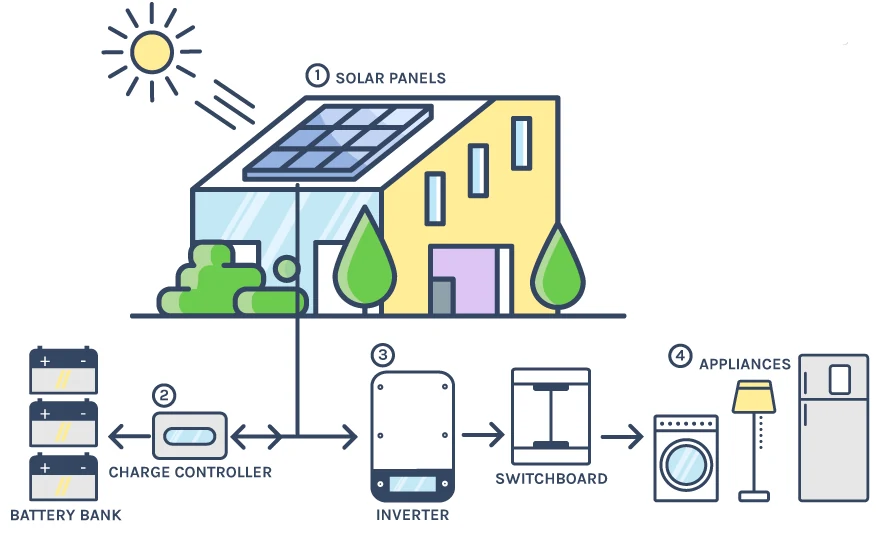
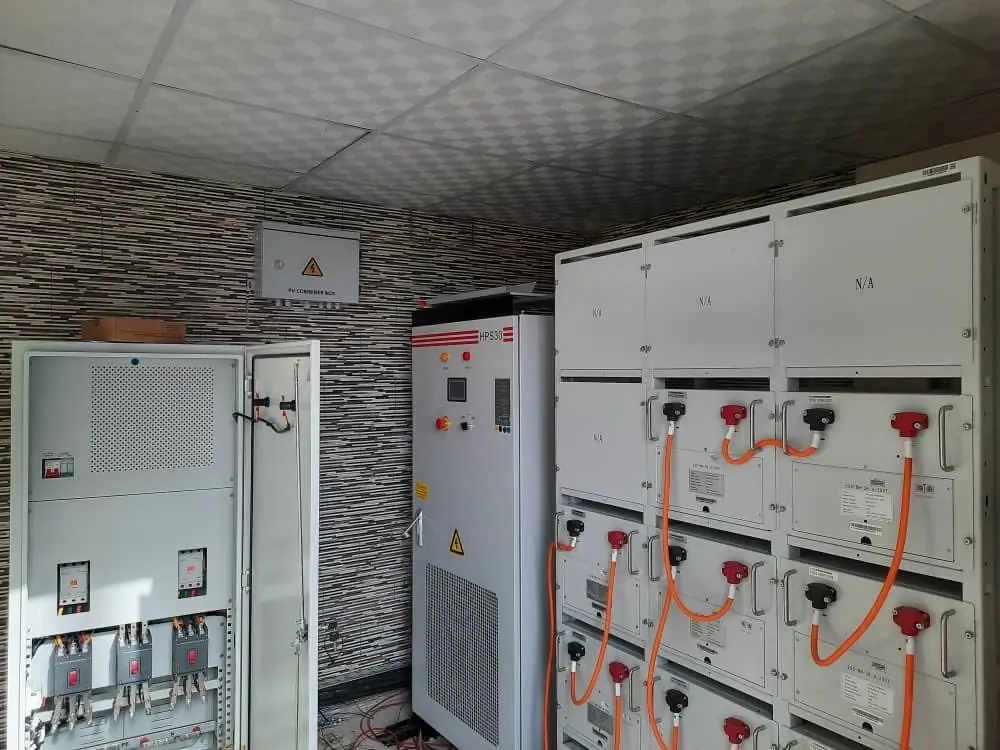
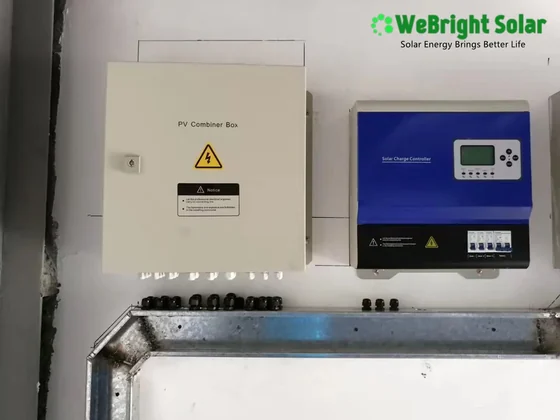
An off-grid system operates independently of the utility grid. It requires a battery bank, charge controller, and inverter to store and manage power. Suitable for remote homes, cabins, or sites with no grid access or frequent outages.

A hybrid system connects to the grid but includes battery storage. It can supply power during outages, store excess solar for later use, and export surplus to the grid when allowed. Ideal for homes seeking energy independence with grid backup.

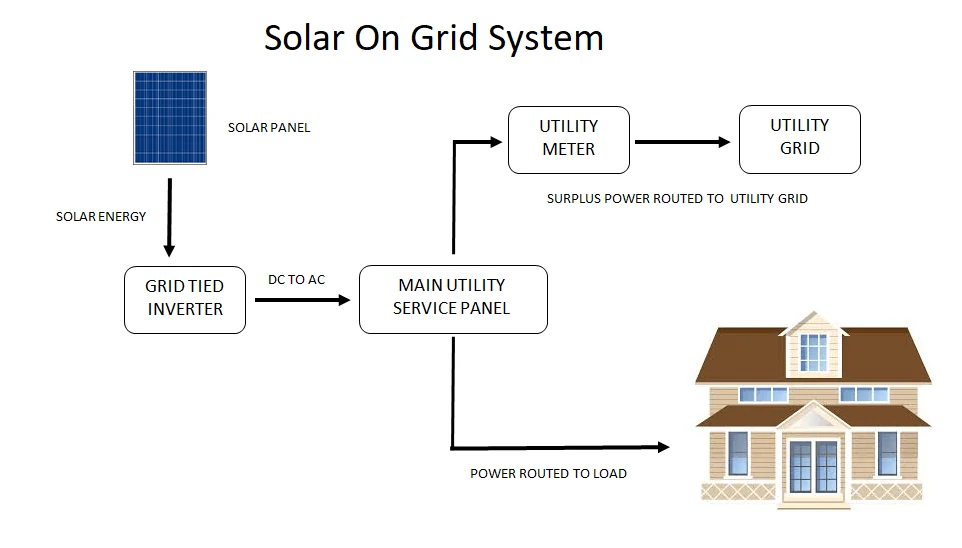
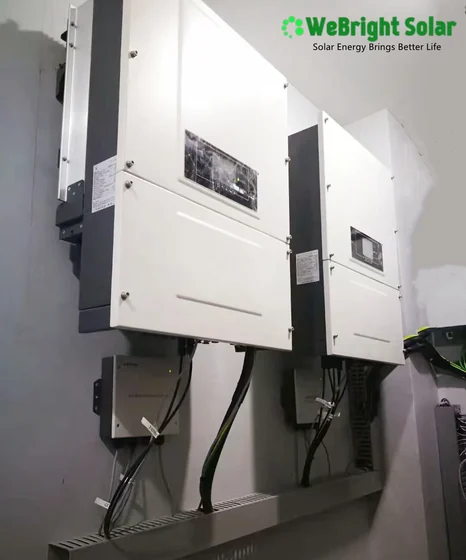
A grid-tie system feeds solar power directly into the utility grid. It does not include batteries and relies on the grid for backup. Best for homes in areas with net metering or government incentives for solar generation.

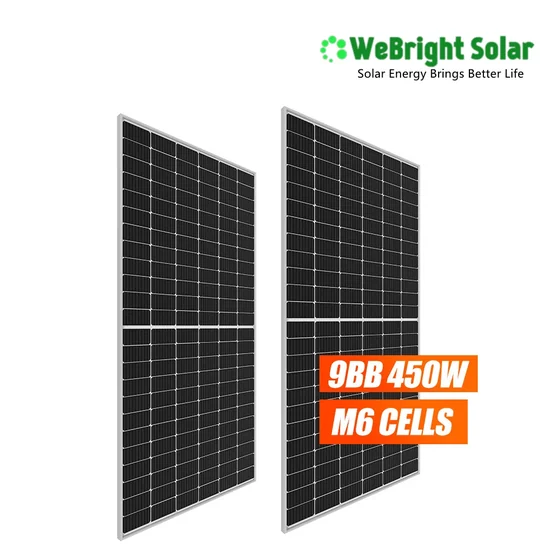
The system capacity, from 500W to 2000W, is determined by available budget and daily energy consumption. Larger systems require more panels, a higher-capacity inverter, and possibly a larger battery bank.

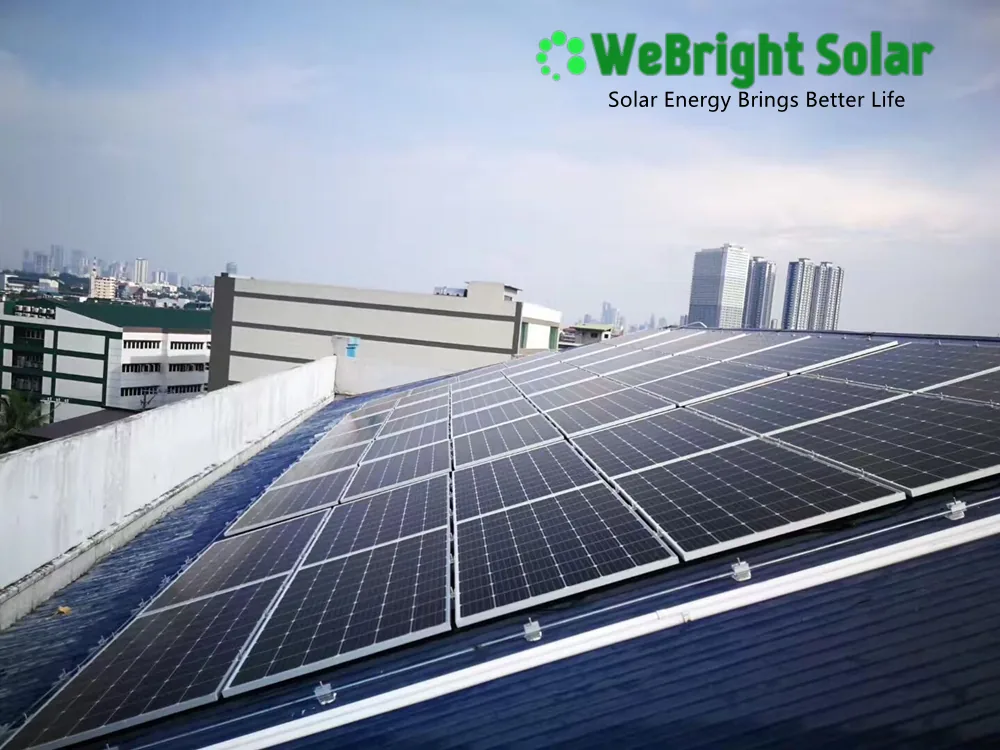
Roof space, orientation, shading, and local climate influence panel performance and system design. Ground mounts offer flexibility in angle and layout, while roof installations must consider structural load and mounting compatibility.
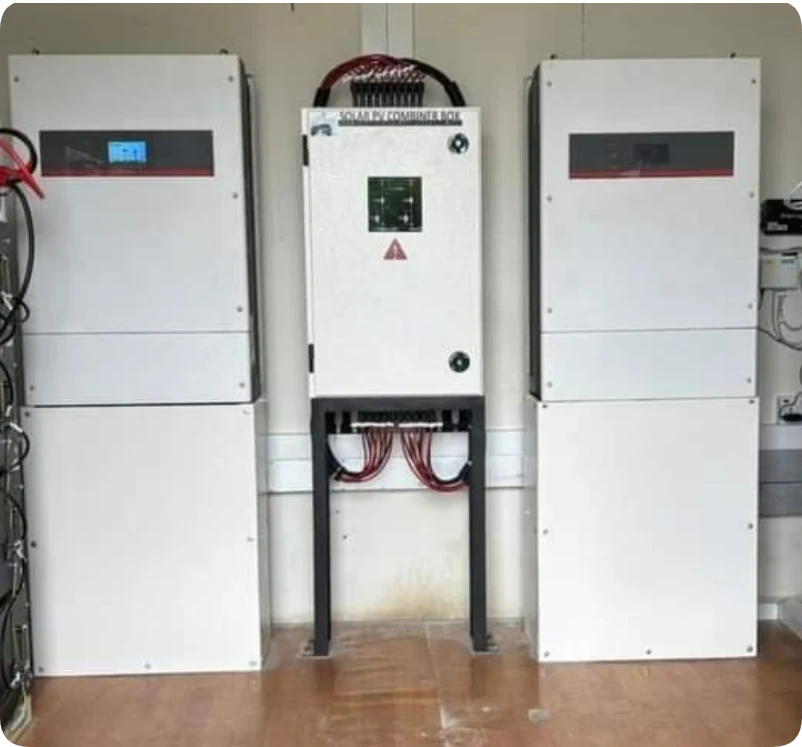
Each system type requires compatible components. Off-grid systems need charge controllers and battery banks rated for the system voltage. Hybrid and grid-tie systems require inverters that support both grid connection and battery integration.

Off Grid/Stand-alone Type 3KW Complete Solar Power System One-Stop Power Supply Solution With Lithium/Lead Aci
View product →
2KW Solar Power System Off Grid Kit for Home Use With Lithium/Lead Acid Battery Charging by Solar Panels
View product →
Grid-tie Type Warranty: 5-year/10-year PV Inverter Powered by Solar Panel, 25-year Warranty 10KW/20KW Complete
View product →
50kW/100KW Solar Hybrid Energy System Hybrid Grid Type for Commercial Use One-stop Energy System + Hybrid Inve
View product →An off-grid system runs without the utility grid and relies entirely on batteries. A hybrid system connects to the grid and uses batteries for backup or self-consumption, allowing grid support when needed.
No. A standard grid-tie system shuts down during a power outage for safety reasons. It requires a hybrid inverter with battery backup to continue operating during outages.
Calculate your daily energy consumption in kWh and select a system that matches your load. Consider future needs and available installation space when sizing the array and battery bank.
No. A grid-tie system does not include batteries. It sends excess solar power to the grid and draws from it when solar production is low.
Sunlight exposure, panel orientation, shading, temperature, system voltage, and component compatibility all affect efficiency. Proper design and site assessment are essential.
Send your load list and site conditions and we will apply the guidance above to a configuration you can order.