
The future development trend of green packaging
Plastic packaging waste is increasingly restricted due to environmental pollution. Countries are implementing stricter rules, including updated plastic limit orders, to reduce reliance on no
Why Green Packaging Is Becoming Mandatory
Plastic packaging waste is increasingly restricted due to environmental pollution. Countries are implementing stricter rules, including updated plastic limit orders, to reduce reliance on non-recyclable materials. In China, the original 2008 order has been challenged by the rise of e-commerce and online food delivery, which drive massive plastic consumption.
The Challenge of Plastic Recycling
Despite widespread use, plastic packaging is difficult to recover and recycle. The recycling rate of packaging waste remains low, breaking the cycle of reuse. This gap limits the sustainability of plastic-based packaging, especially in high-volume sectors like express delivery and food service.
The Rise of Kraft Paper as a Green Alternative
Kraft paper is a renewable, recyclable, and biodegradable material. It is being redeveloped into advanced protective packaging solutions such as buffer kraft paper pads. These pads use three layers of special kraft paper and are produced using dedicated equipment to deliver cushioning performance comparable to plastic.
How Buffer Kraft Paper Pads Are Made
The pads are manufactured using specialized machinery that processes kraft paper reels. The process involves layering, forming, and shaping the paper into a three-dimensional structure that provides impact resistance. The final product is designed to be used directly in packaging lines without additional processing.
Benefits of Paper-Based Buffering Solutions
Buffer kraft paper pads are recyclable with paper and card, compatible with existing waste streams. They offer flexible use across industries and reduce dependency on plastic. Their production from kraft reels allows converters to maintain control over material cost and supply.
Where These Pads Are Used
Applications include e-commerce packaging, electronics, cosmetics, and consumer goods. They are used to protect fragile items during shipping and are suitable for both manual and automated packing lines. Larger formats can be adapted into core sleeves or cushion pads for heavy goods.
Questions On This Topic
What is the main driver behind the shift to green packaging
Environmental concerns over plastic pollution and low recycling rates are driving governments and businesses to adopt paper-based alternatives.
Can buffer kraft paper pads replace plastic bubble wrap
Yes, they provide similar cushioning performance and are fully recyclable, making them a compliant alternative in markets restricting plastic.
What material is used to make the buffer kraft paper pad
Three layers of special kraft paper are used, processed through dedicated equipment to form a structured, cushioning pad.
Is the buffer kraft paper pad recyclable
Yes, it is made entirely of kraft paper and can be recycled with paper and cardboard waste.
Can I produce buffer kraft paper pads in-house
Yes, specialized machinery is available to convert kraft paper reels into finished pads, allowing in-house production and cost control.
Machines Mentioned In This Article
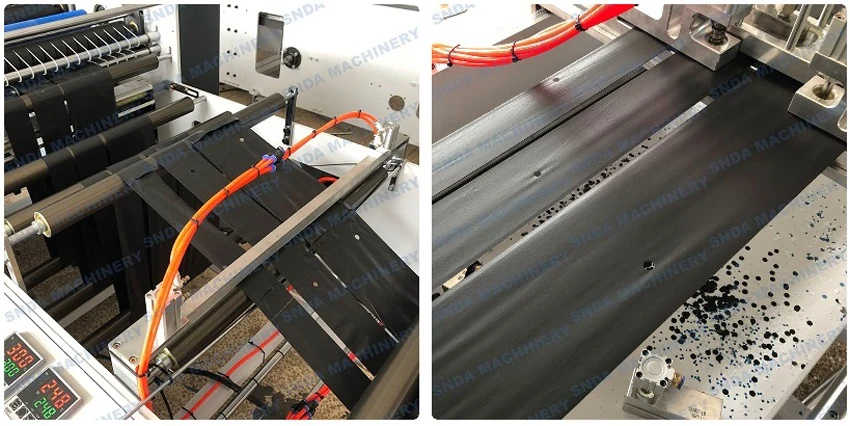
2 Lines Pre-opened Bag On-a-roll Making Machine
The PRE-600 converts a single wide roll of poly film into two parallel rolls of pre-opened bags in a continuous process.
View machine →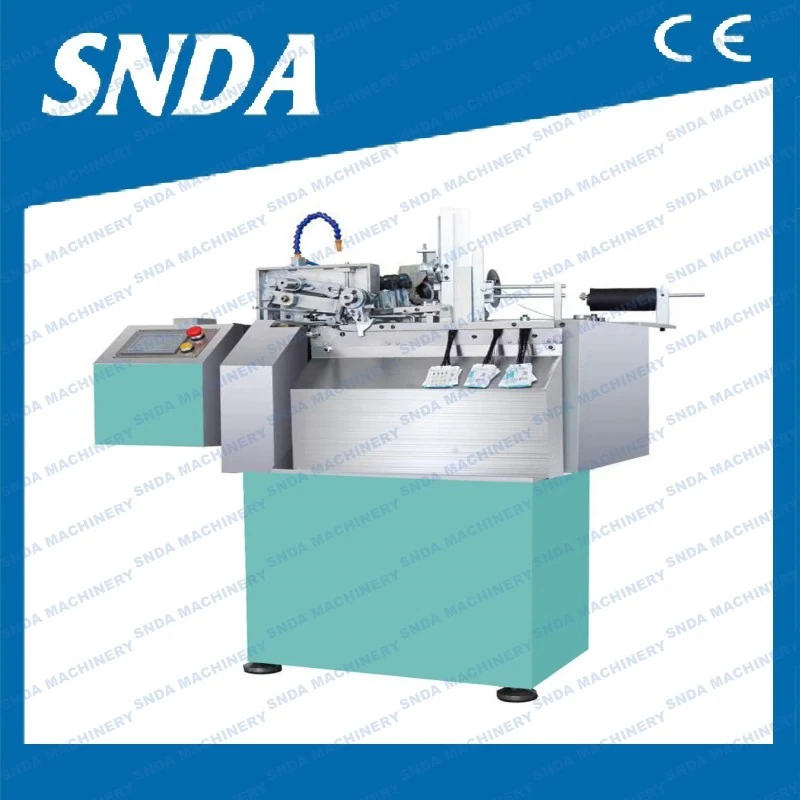
Automatic Tag Threading Machine
The SD-TT180 automatically threads a rope or thread through a paper tag in a single continuous process.
View machine →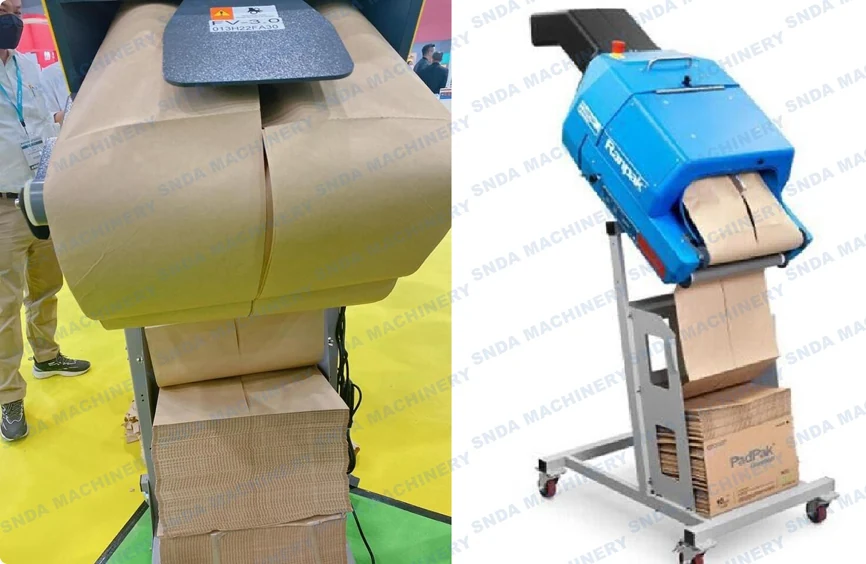
Fanfold Kraft Paper Folding Machine with C type Folding inline
The SD-PF800A converts two reels of kraft paper into fanfolded cushioning sheets with a C-type fold in a single inline p.
View machine →Have A Question On This
Send it over on WhatsApp. Questions about material, machine choice and output get an answer from an engineer, not a sales script.