
Express and e-commerce industry focus on green packaging
The rapid growth of express delivery has led to a significant increase in packaging waste. China's express delivery volume reached 70 billion pieces by 2020, with per capita delivery volume
Growing Pressure on Ecommerce Packaging Sustainability
The rapid growth of express delivery has led to a significant increase in packaging waste. China's express delivery volume reached 70 billion pieces by 2020, with per capita delivery volume rising to about 50 pieces. This scale generates substantial waste, including 8.233 million tons of corrugated paper and 16.8g of plastic film per average package.
Plastic Film in Packaging Faces Regulatory and Market Pressure
Plastic film used in packaging accounts for 16.8g per average express package. With increasing environmental concerns, plastic film is being restricted or rejected by end customers, especially in Europe, the USA, and Southeast Asia. This creates demand for paper-based alternatives that are recyclable and meet green packaging standards.
Paper Packaging Dominates but Still Has Environmental Impact
Paper materials make up 96.18% of express packaging, primarily corrugated paper. While paper is more sustainable than plastic, the sheer volume of use—projected to reach 41.27 million tons by 2025—still creates a major resource burden. Converting kraft paper in-house reduces reliance on external suppliers and lowers overall environmental impact.
Switching to Paper Cushioning Reduces Plastic Use
Protective packaging such as bubble wrap is increasingly replaced by paper cushioning like honeycomb paper, paper bubble, and fanfold paper. These materials are made from kraft paper and can be recycled with the carton, eliminating plastic waste and aligning with green packaging policies.
In-House Conversion Offers Cost and Supply Control
Buying finished protective paper rolls on the open market is more expensive than converting kraft reels in-house. Using a converting machine allows packers to produce custom-sized rolls at lower cost, reduce inventory risk, and maintain consistent supply without depending on external vendors.
Automated Bagging Lines Require Pre-Opened Rolls
E-commerce fulfilment and 3PL operators using autobag lines need pre-opened bags on a roll. These are produced from poly film or paper. Paper-based pre-opened bags are increasingly preferred due to environmental regulations and customer demand for recyclable packaging.
Questions On This Topic
Why is plastic film in packaging being restricted
Plastic film is being restricted or rejected by end customers due to environmental concerns and regulations, especially in Europe, the USA, and Southeast Asia.
What is the main alternative to plastic bubble wrap
Paper-based cushioning such as honeycomb paper, paper bubble, and fanfold paper are used as alternatives to plastic bubble wrap.
Can paper protective packaging be recycled with the carton
Yes, paper-based protective packaging like honeycomb paper and paper bubble is made only of kraft paper and can be recycled with the corrugated carton.
Is converting kraft paper in-house more cost effective
Yes, converting kraft reels in-house is more cost-effective than buying finished protective paper rolls on the open market.
What type of packaging is needed for automated bagging lines
Automated bagging lines require pre-opened bags on a roll, which can be made from paper or poly film, with paper being preferred for green packaging compliance.
Machines Mentioned In This Article
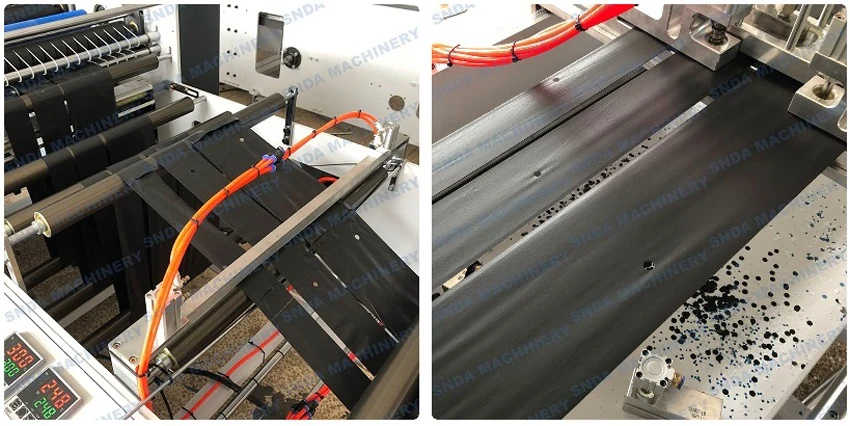
2 Lines Pre-opened Bag On-a-roll Making Machine
The PRE-600 converts a single wide roll of poly film into two parallel rolls of pre-opened bags in a continuous process.
View machine →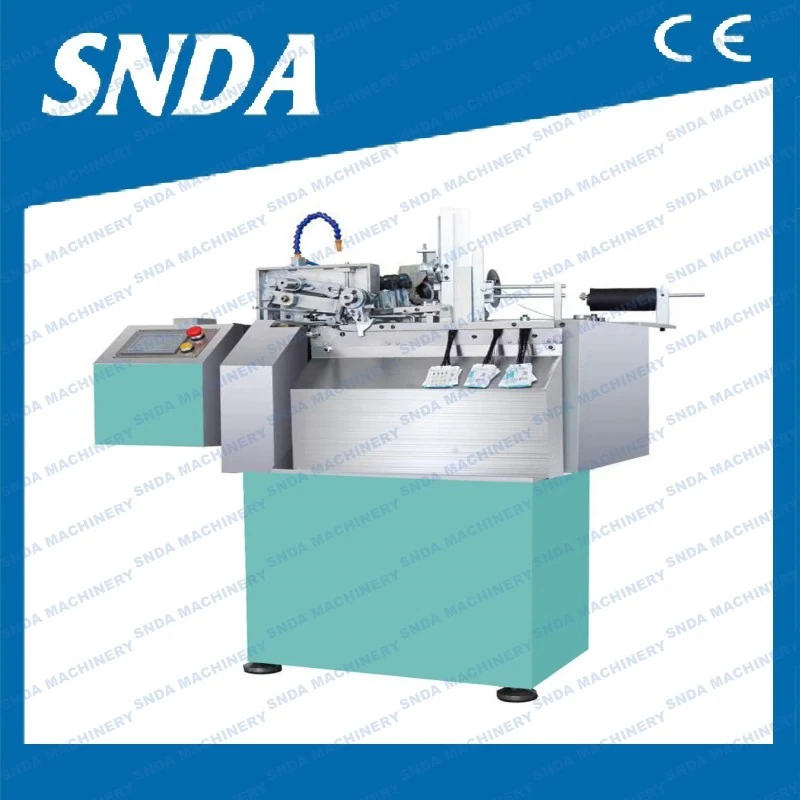
Automatic Tag Threading Machine
The SD-TT180 automatically threads a rope or thread through a paper tag in a single continuous process.
View machine →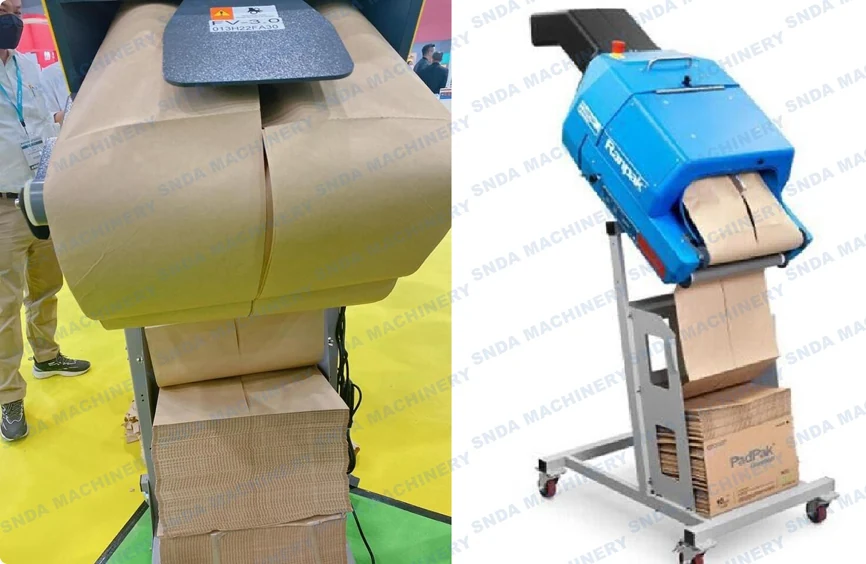
Fanfold Kraft Paper Folding Machine with C type Folding inline
The SD-PF800A converts two reels of kraft paper into fanfolded cushioning sheets with a C-type fold in a single inline p.
View machine →Have A Question On This
Send it over on WhatsApp. Questions about material, machine choice and output get an answer from an engineer, not a sales script.