How To Light A Sewing Workstation Properly
Why overhead lighting alone never solves it, where the light has to come from, and how to avoid trading shadow for glare.
The Problem Is Geometry Not Brightness
A sewing operator leans over the work. Their head and shoulders sit directly between an overhead fitting and the needle plate, so the brightest part of the room is the part that cannot reach the point that matters. Adding more overhead light raises the general level and does very little at the needle. This is why task lighting at the machine is not an upgrade on overhead lighting; it does a different job.
Light Should Come From The Front And Slightly Above
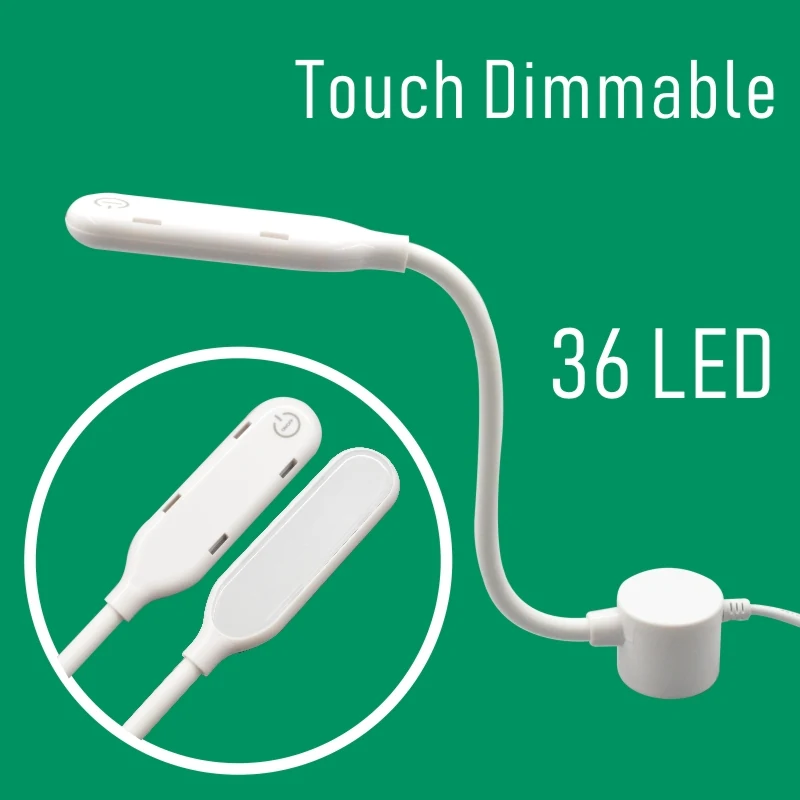
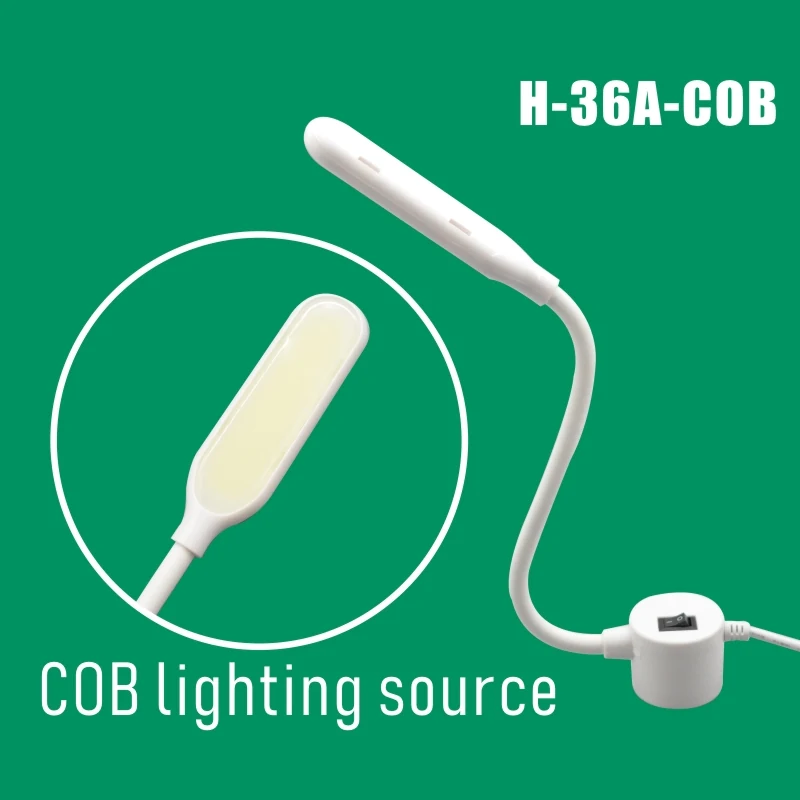
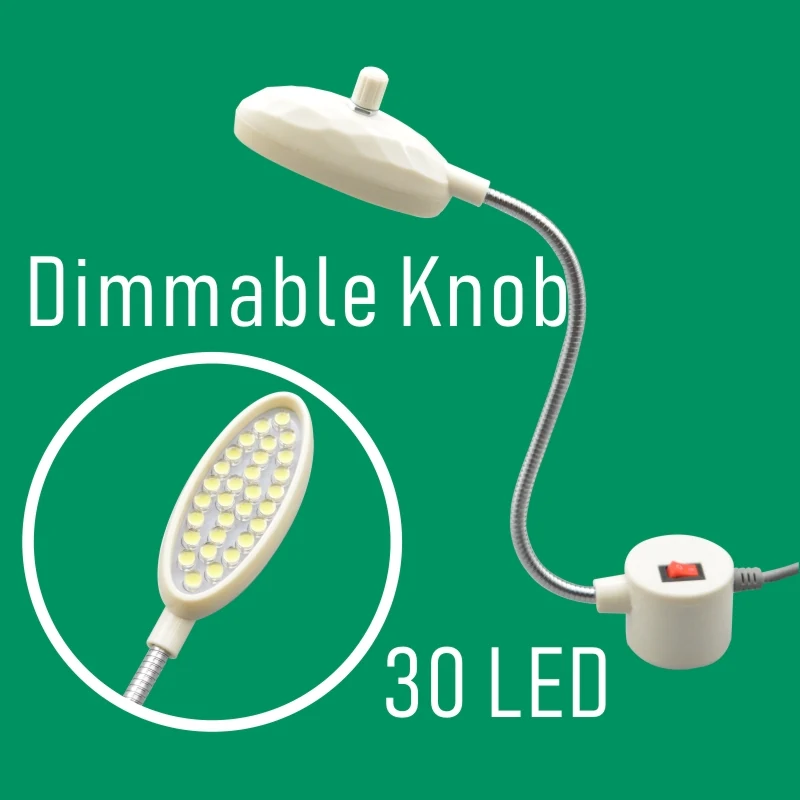
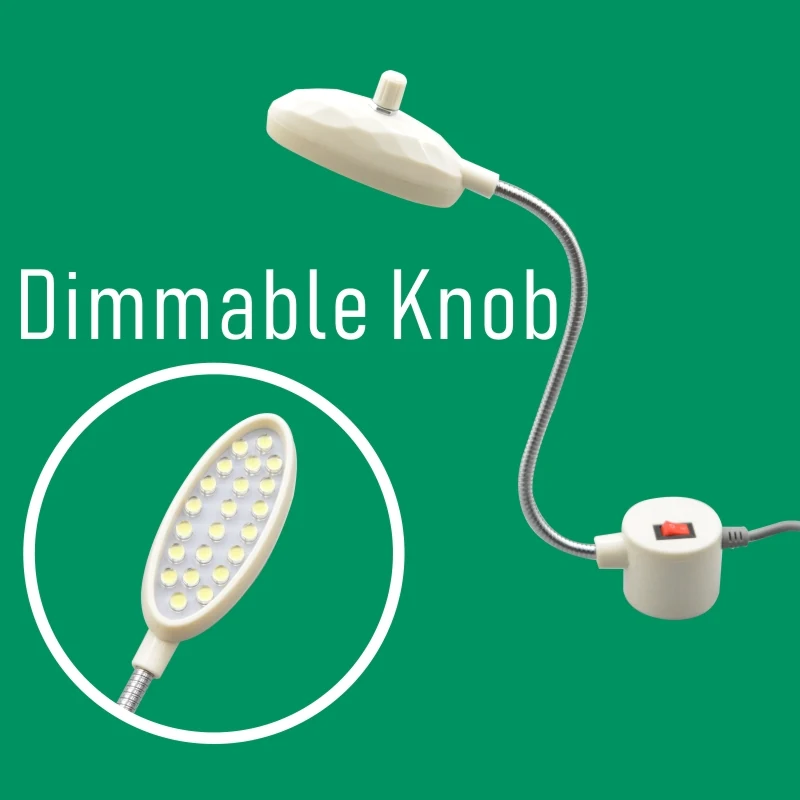
A machine-mounted lamp on a gooseneck should be aimed so the light falls just ahead of the needle, coming over the front of the machine head. Light from behind the operator recreates the shadow problem. Light aimed straight down the operator's eyeline creates glare off the needle plate and the presser foot. Aim it once, correctly, and the flexible arm holds it.
Watch For Glare Off Metal And Coated Fabric
A needle plate is polished metal and some fabrics are coated. Too much light aimed at the wrong angle bounces straight back at the operator, which is more tiring than too little light. This is one reason dimmable lamps matter: the correct level is the lowest one at which the stitch line is clearly visible, not the maximum the lamp can produce.
Different Operations Need Different Levels
Straight assembly on pale cotton needs far less than buttonholes on black denim. A floor lit uniformly to the level the hardest operation needs is over-lit almost everywhere, which costs money and creates glare. Match the lamp to the station.
Do Not Forget The Bench Beside The Machine
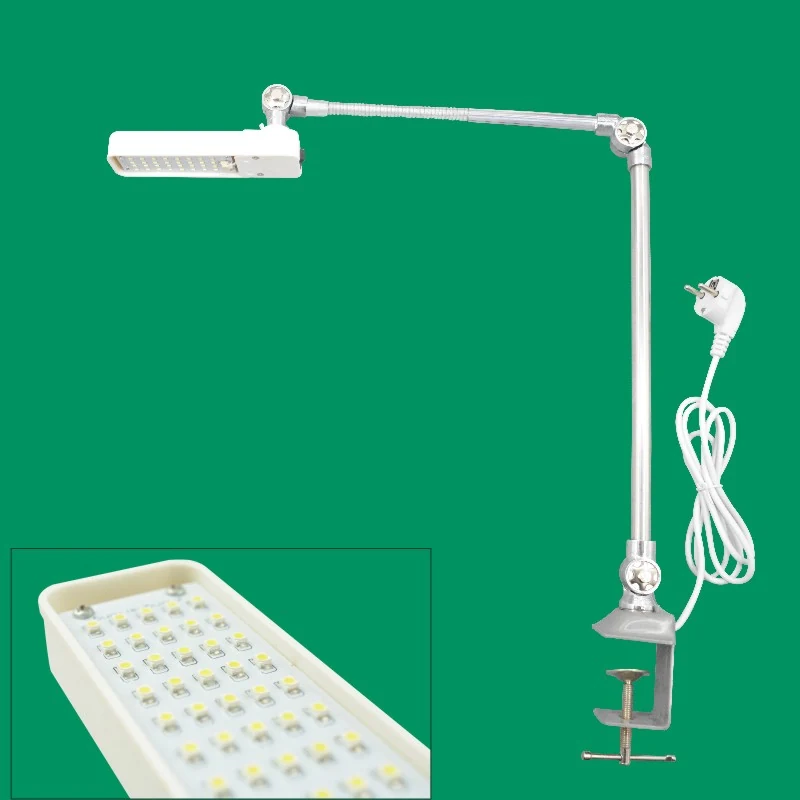
Cutting, trimming, marking and inspection happen next to the machine, not under its lamp. A clamp-mounted table light covers the bench area that a machine-mounted lamp is not aimed at, and it is usually what an inspection station actually needs.
Keep The Lens Clean
In a sewing hall, lint settles on a lamp lens and dims it steadily. A lamp that seems to have got dimmer after a year has usually just accumulated a film. Wiping the lens is the cheapest lighting improvement available on a sewing floor and it is almost never in the maintenance schedule.
What We Make In This Area
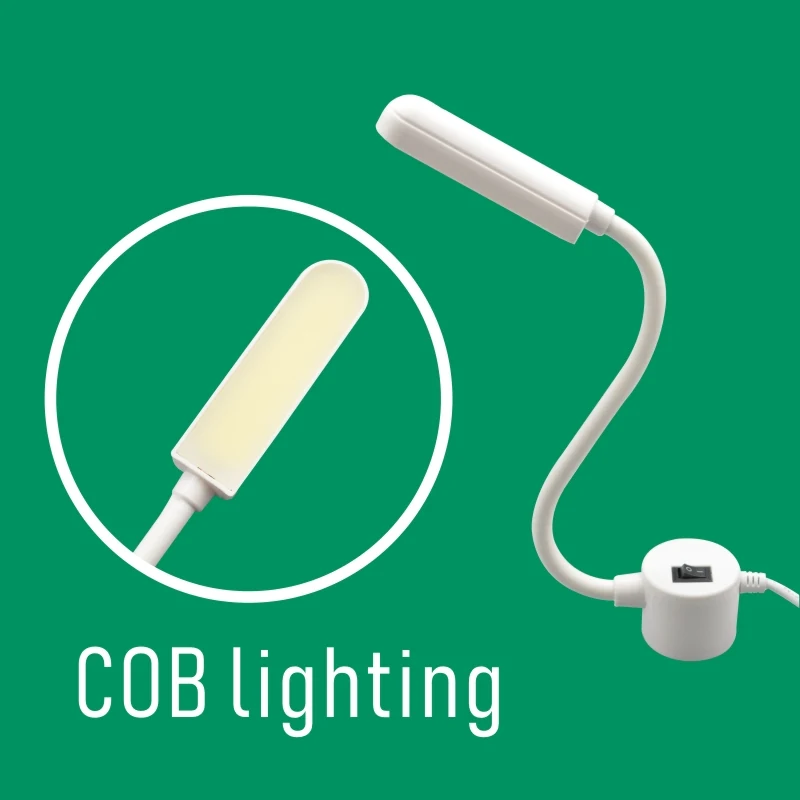
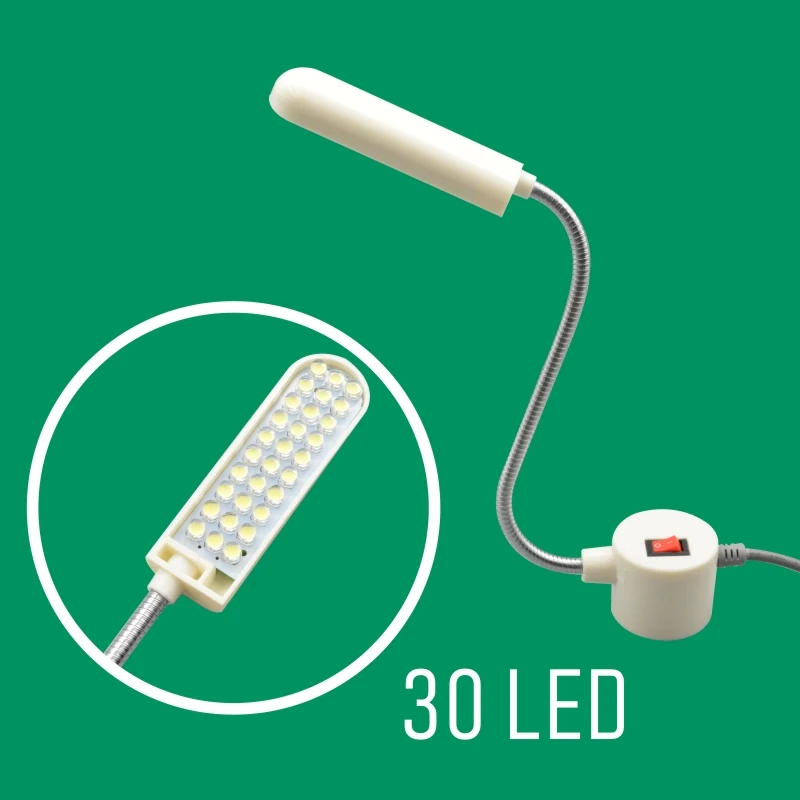
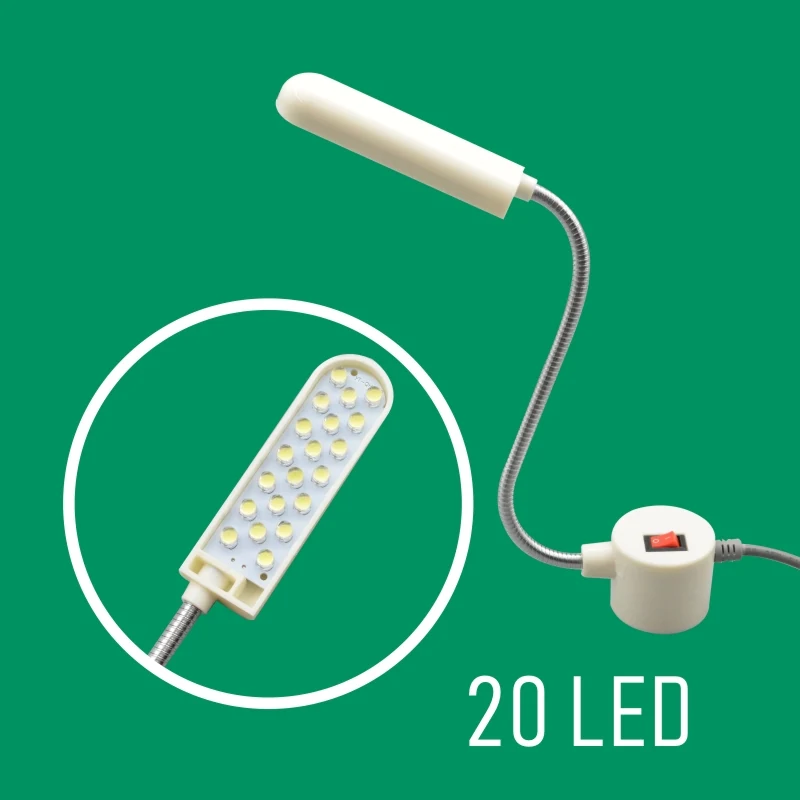
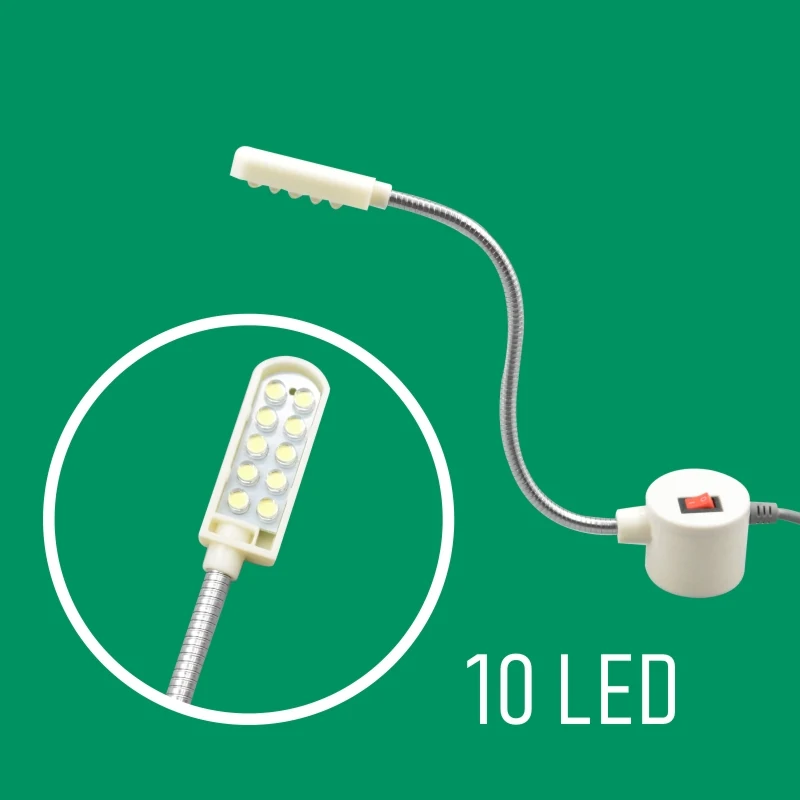
Questions From This Guide
Can we solve this with better overhead lighting
No. The operator's own body blocks overhead light at the needle. Task lighting at the machine does a different job and both are needed.
Where should the lamp be aimed
So the light falls just ahead of the needle, coming over the front of the machine head. Not from behind the operator and not straight into the eyeline.
Why does a lamp seem dimmer after a year
Usually lint on the lens. Wiping it is the cheapest brightness improvement on a sewing floor.
Ask Us About This
If your situation is not covered above, describe it and we will answer it properly.