How To Choose A Sewing Machine LED Light
Five decisions that determine whether a machine lamp gets used or gets pushed out of the way: output, dimming type, mounting, voltage and emitter type.
Match LED Count To The Fabric Not The Budget
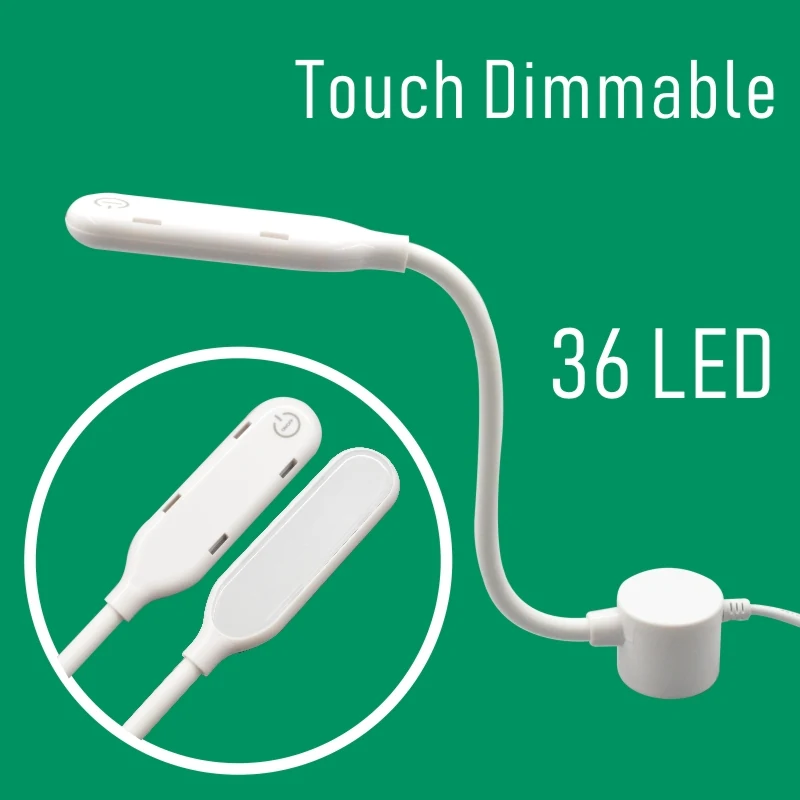
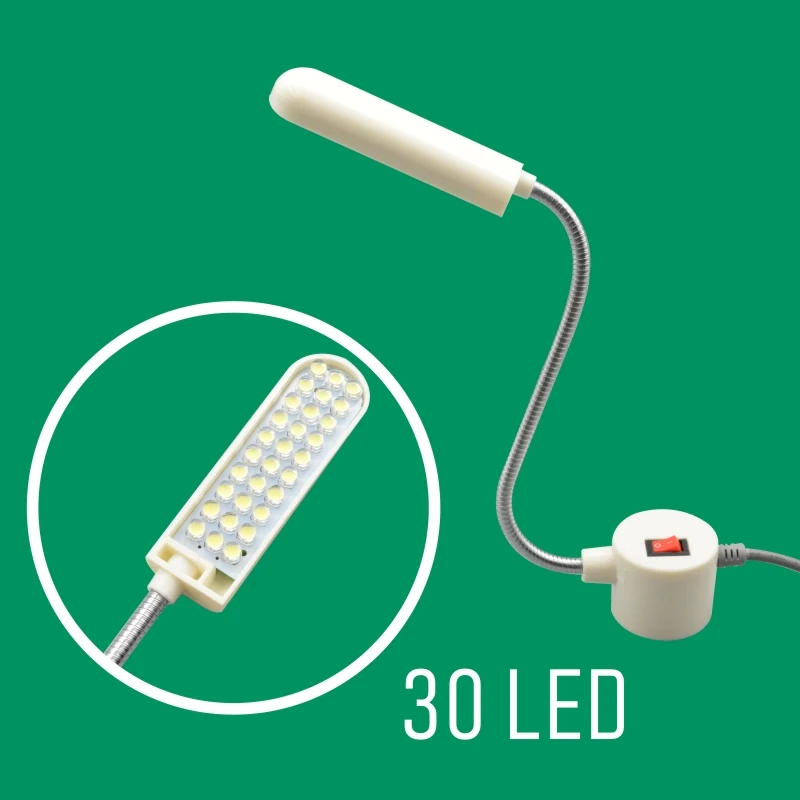
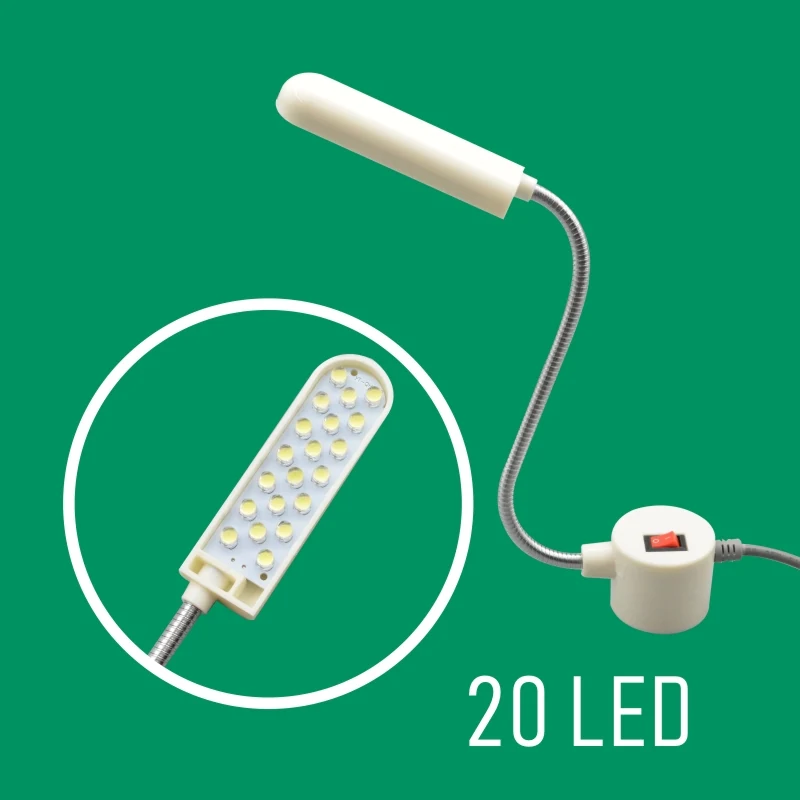
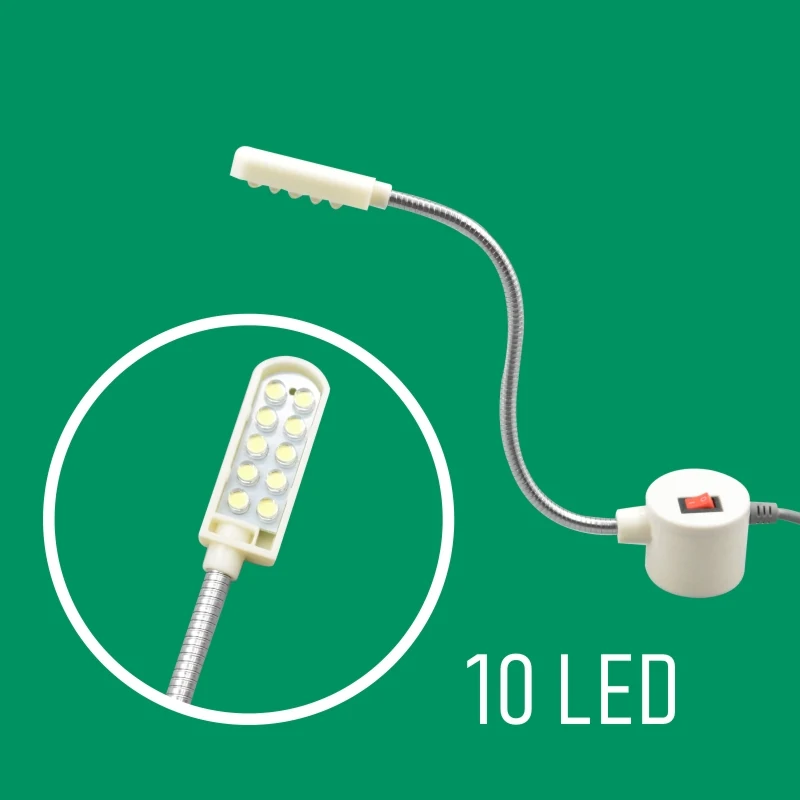
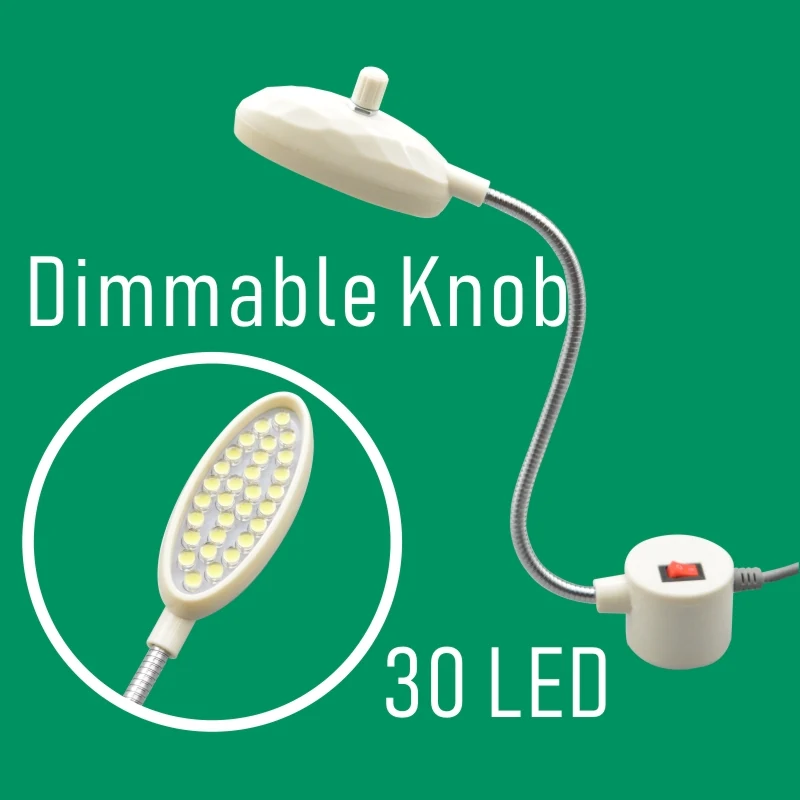
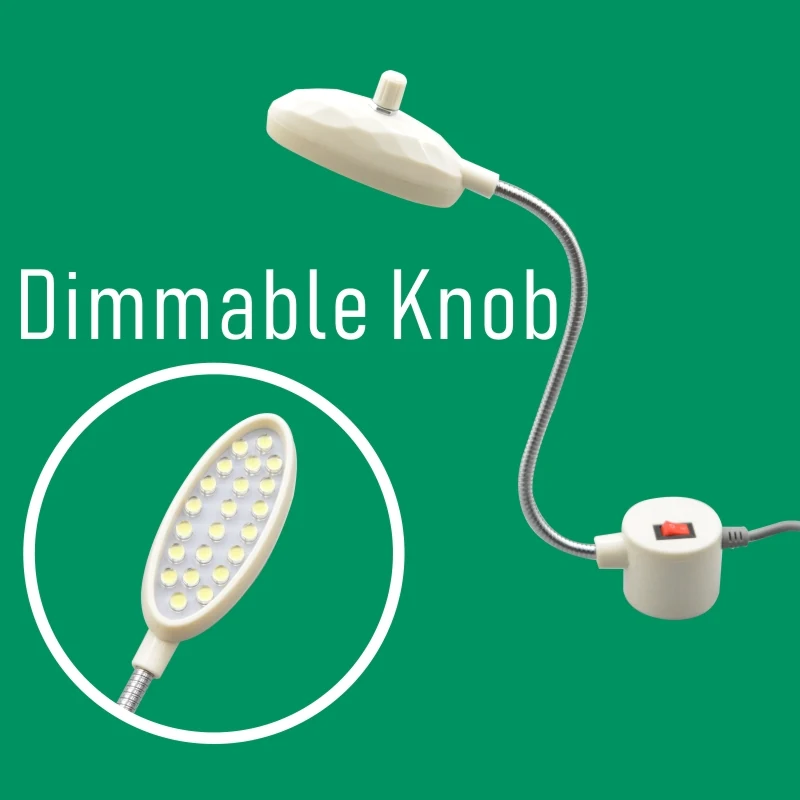
The single most common mistake is buying one lamp for a whole floor. A 6 or 10 LED lamp is plenty for pale fabric on a simple assembly operation. Dark navy, black, denim and heavily textured fabric absorb light, and on those the same lamp leaves the operator squinting. Topstitching and inspection stations want the 30 or 36 LED models. Buying up the range for every station wastes money; buying down the range for the difficult stations costs eye strain and rework.
Dimming Type Is A Maintenance Decision
A knob dimmer is cheap and intuitive, and in a sewing hall it fills with lint and machine oil until it stops turning. A touch switch has no moving part and can be operated with a knuckle or the back of a hand, which matters when the operator's hands are occupied. Some of our models also remember the last brightness setting, so the operator is not resetting it every shift. If the lamps are going into a dusty environment, the touch models pay for themselves in service calls.
Check The Mounting Against The Actual Machine Head
Mounting is where retrofits fail. The lamp has to clear the handwheel, the thread path and the operator's hands, and it has to stay where it is aimed. Magnetic bases fit fast and move fast, which is good for a sample room and bad for a production line where nobody should be moving them. Screw mounting is permanent. Decide which behaviour you actually want.
Wide Input Voltage Halves Your Spares Holding
Most of our models take 85V-265V. That means one part number for a factory with different supplies in different buildings, one part number for an importer selling into several markets, and half the spares holding for a dealer. Some models are specified at 110V/220V instead, so check the input range on the product page rather than assuming.
SMD Or COB Changes The Quality Of The Light
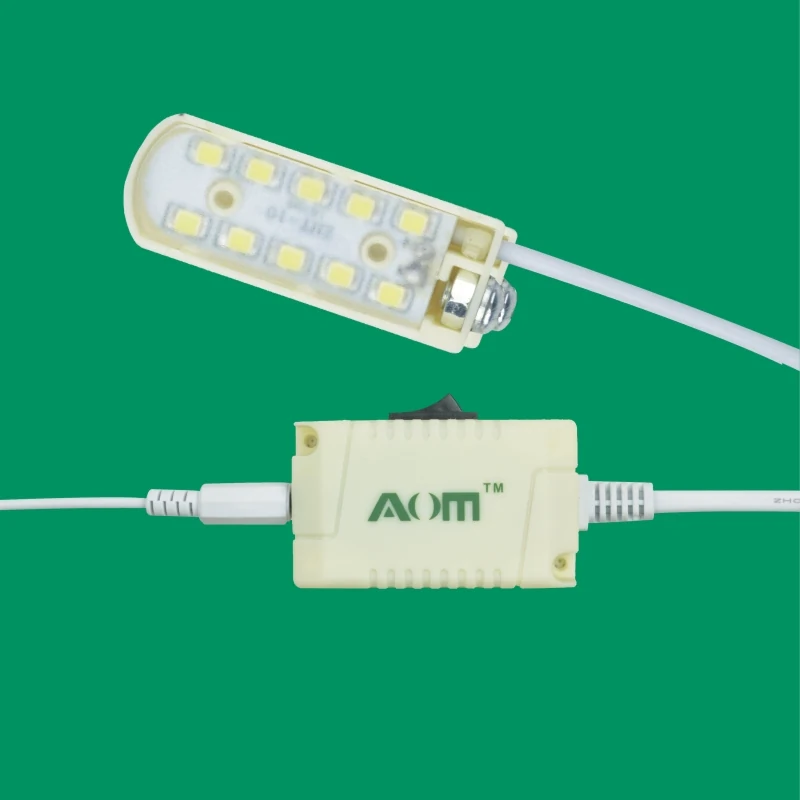
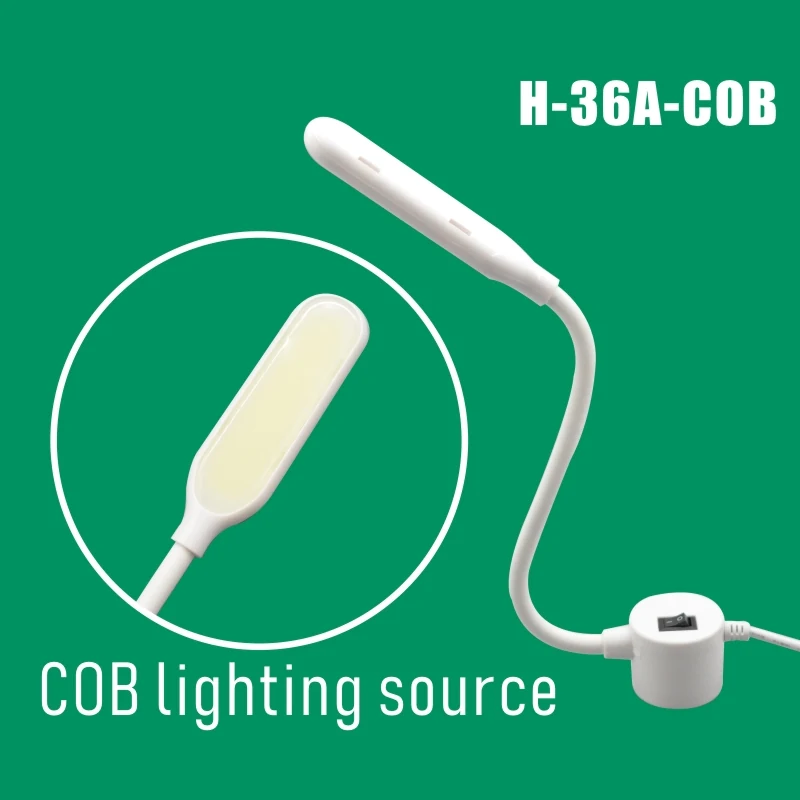
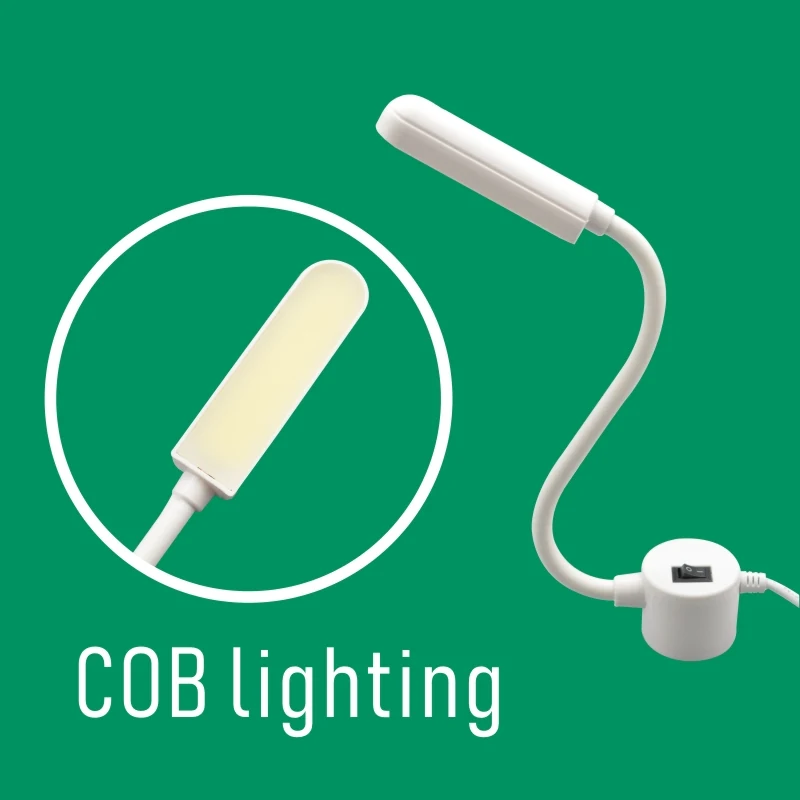
An SMD lamp uses an array of separate LEDs. It gives the highest output for the wattage, and because the light comes from several points it can throw multiple soft shadows. A COB lamp uses one continuous emitter, which gives a softer, more even pool with a single shadow edge. For fine work where shadow confusion is the problem rather than raw brightness, COB is usually the better answer.
What To Do Before Ordering In Quantity
Get a sample and fit it on the least convenient machine you own, running the darkest fabric you run, and let the operator who will use it give an opinion. Every specification argument is settled in ten minutes that way. Then order the mix rather than one model for everything.
What We Make In This Area
Questions From This Guide
How many LEDs do I need
6 to 20 LEDs for general work on pale fabric, 30 to 36 for dark fabric, topstitching and inspection. Most floors end up with a mix.
Is touch dimming better than a knob
In a lint-heavy environment, yes, because there is no moving part to seize. A knob is fine in a cleaner setting.
Will the lamp work on my voltage
Most models take 85V-265V, which covers every common supply. The input range is stated on each product page.
Ask Us About This
If your situation is not covered above, describe it and we will answer it properly.