
What This Grade Is For
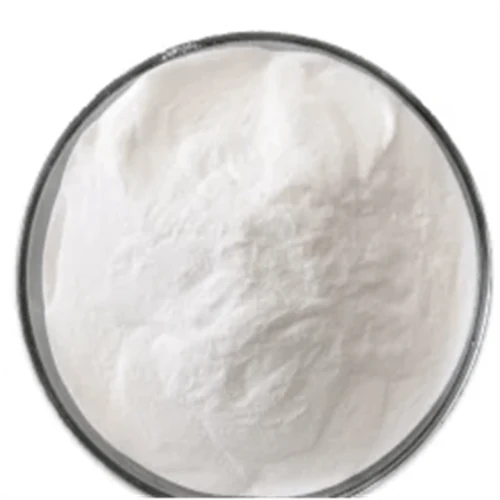
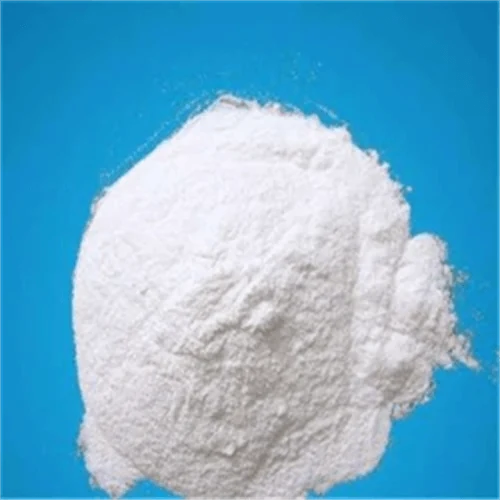
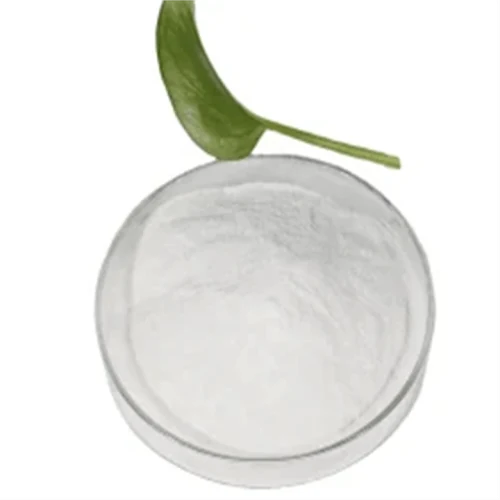
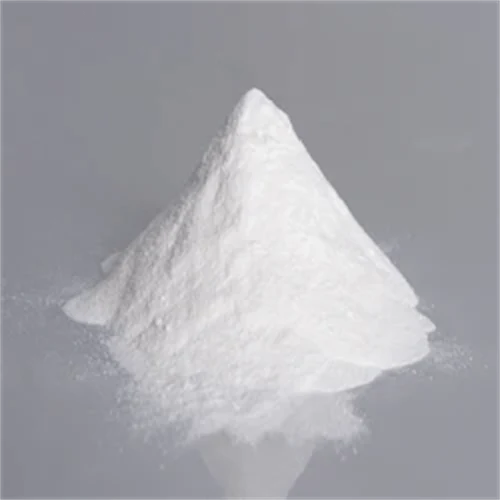
Hydroxypropyl cellulose HPC is supplied by Yiyuantong Chemical as a multi-purpose thickener, binder and stabiliser for water-based systems. What is Hydroxypropyl cellulose CAS 9004-64-2? Hydroxypropyl Cellulose (HPC) CAS 9004-64-2 is a nonionic cellulose ether made by reacting natural cellulose with propylene oxide after alkalization. Specification ITEM STANDARD Appearance White to yellowish-white or creamcolored granular solid or powder, hygroscopic after drying.
Key Benefits
- Thickens, suspends, disperses, emulsifies and forms films from a single additive
- Stays effective in salty and hard water because the polymer is non-ionic
- Dissolves in cold water to a clear, viscous solution without a cooking step
- Supplied across a wide viscosity range so the grade can be matched to the process
- Export packed and documented for container shipment, with lot analysis issued before departure
Problems It Solves
- Water-based formulations that need viscosity without losing clarity
- Solids that settle out of suspension during storage
- Systems that lose viscosity when salt or hardness is introduced
Application Scenarios
- Water-based industrial formulations
- Suspension and emulsion stabilisation
- Film-forming and binding applications
- Protective colloid systems
Who It Is For
- Chemical formulators
- Industrial blenders
- Speciality product manufacturers
Technical Features
- Soluble in water and in polar organic solvents
- Forms flexible films without a plasticiser
- Thermoplastic, so it can be processed by extrusion and moulding
Technical Data And Packing
| CAS No | 9004-64-2 |
|---|---|
| Chemical Formula | C3H7O* |
| Molecular Weight | 59.08708 |
Packing is 25 kg per bag as standard: an inner polyethylene plastic film bag inside an outer composite plastic woven bag. Other pack sizes are arranged on request.
Raw Materials
- Refined cellulose
- Propylene oxide
Manufacturing Process
- Alkalisation
- Etherification with propylene oxide
- Washing
- Drying and milling
- Lot testing and packing
Quality Control
- Every lot is tested in our own laboratory against the customer specification before release
- Third-party verification is available through SGS, which we have worked with on export lots
- Certificate of analysis issued with each shipment; HPLC or NMR data supplied on request
- Acetone countercurrent washing removes process residues before drying and milling
How It Compares
| Anionic thickeners | The non-ionic backbone keeps viscosity stable where salts would knock down an anionic polymer |
|---|---|
| Synthetic associative thickeners | Cellulose ether is less dependent on the surfactant balance of the formulation |
Use Guide
- Add under agitation to cold water and hydrate fully before adjusting pH or adding electrolytes
- Match the viscosity grade to the shear and solids of your process
Customisation Options
- Viscosity grade selected against your process, from 300 to 200000 mPa.s
- Private label bags printed with your own label content
- Packing sizes arranged to suit your blending line
- Sample shipment by FEDEX, DHL or EMS before a production order
Certification And Inspection
- SGS third-party inspection available on export lots
- Certificate of analysis issued with every shipment
- HPLC or NMR data supplied on request
Other Grades Buyers Compare With This One
Carboxymethyl cellulose (CMC)
A multi-purpose thickener, binder and stabiliser for water-based systems.
View Specification
Microcrystalline Cellulose
A multi-purpose thickener, binder and stabiliser for water-based systems.
View Specification
White Powder Hydroxyethyl Cellulose
A multi-purpose thickener, binder and stabiliser for water-based systems.
View Specification
Nonionic Soluble Cellulose Ether Hydroxyethyl Cellulose
A multi-purpose thickener, binder and stabiliser for water-based systems.
View Specification
Hydroxyethyl Cellulose Ether for Industrial Grade
A multi-purpose thickener, binder and stabiliser for water-based systems.
View Specification
Hydroxyethyl Cellulose of The Cellulose Ethers
A multi-purpose thickener, binder and stabiliser for water-based systems.
View SpecificationTechnical Notes
Industry Pages
Hydroxypropyl cellulose HPC FAQ
How do I choose between viscosity grades?
Start from the viscosity your process needs and the shear it applies. Send both and we will recommend a grade from the 300 to 200000 mPa.s range.
Can I get a sample before ordering?
Yes. Samples ship by FEDEX, DHL or EMS; some are free and you cover the freight.
Are you a manufacturer or a trading company?
We are a manufacturer and you are welcome to visit the plant. Our hydroxyethyl cellulose project runs at 5000 tonnes a year on an acetone countercurrent washing process.
What payment terms do you accept?
L/C, T/T, D/A, D/P, PayPal and Western Union. We have worked with China Export and Credit Insurance Corporation for many years.
How fast can you ship?
Stock items are despatched within 5 days of payment. If the grade is not in stock, production and despatch take 7 to 10 days from payment.
Get A Price For Hydroxypropyl cellulose HPC
Send the quantity, the viscosity grade and the destination port. We reply with price, lead time and the lot analysis.