
What This Grade Is For
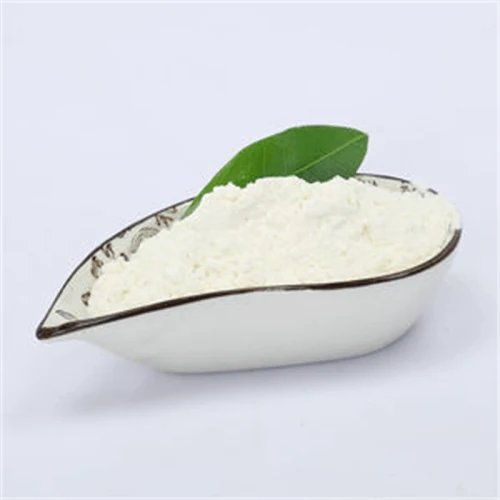
Hydroxyethyl Cellulose for Emulsion Polymerization is supplied by Yiyuantong Chemical as a protective colloid and dispersion stabiliser in emulsion polymerisation. Hydroxyethyl cellulose is used in emulsion polymerization to control the growth of polymer particles and stabilize latex properties. For water-based latex coatings: it can significantly improve the thickening and leveling properties.
Key Benefits
- Acts as a protective colloid, stabilising particles as they form during polymerisation
- Helps control particle size distribution and reduce coagulum formation
- Supplies viscosity to the finished latex without a separate thickener step
- Stabilises vinyl chloride and vinyl acetate emulsion systems
- Held in stock: 800 tonnes of HEC are carried year round, and confirmed orders ship to the named port within 3 working days
Problems It Solves
- Coagulum on the reactor wall and in the filter after a batch
- Particle size that drifts between batches, changing the film properties downstream
- Latex that shears out during pumping and transfer
Application Scenarios
- Vinyl acetate and VAE emulsion polymerisation
- PVC suspension and emulsion processes
- Acrylic latex manufacture
Who It Is For
- Emulsion polymer producers
- PVC resin manufacturers
- Latex binder suppliers
Technical Features
- Non-ionic backbone, so viscosity survives salt and hard water
- Cold-water soluble, no cooking step needed in the mixing room
- Supplied from 300 to 200000 mPa.s so the grade can be matched to the process
- Molar degree of substitution of 1.8 to 3.0 for biological stability and high transmittance
- Solvent process raises the degree of substitution by 30 to 35 percent against traditional routes
Technical Data And Packing
| Product Name | Hydroxyethyl Cellulose for Emulsion Polymerization |
|---|---|
| CAS No | 9004-62-0 |
| EINECS | 618-387-5 |
| Chemical Formula | (C2H6O2) n |
| Appearance | White or Almost White, Odorless, Tasteless Solid Powder |
| Viscosity | 300-200000 mPa.s |
| Transmittance | ≥80.0 % |
| Molar Degree of Substitution | 1.8-3.0 |
| Water Content | ≤5.0 % |
| Ash Content (as sulfate) | ≤6.0 % |
| PH(1%,Solution) | 6.0~8.5 |
Packing is 25 kg per bag as standard: an inner polyethylene plastic film bag inside an outer composite plastic woven bag. Other pack sizes are arranged on request.
Raw Materials
- High alpha-cellulose refined cotton
- Wood pulp with high cellulose content
- Ethylene oxide
Manufacturing Process
- Alkalisation of refined cotton and wood pulp
- Etherification with ethylene oxide
- Acetone countercurrent washing
- Drying and milling
- 40 mesh screening
- Lot testing and packing
Quality Control
- Every lot is tested in our own laboratory against the customer specification before release
- Third-party verification is available through SGS, which we have worked with on export lots
- Certificate of analysis issued with each shipment; HPLC or NMR data supplied on request
- Acetone countercurrent washing removes process residues before drying and milling
How It Compares
| Polyvinyl alcohol | Cellulose ether is chosen where cold-water solubility and salt tolerance matter in the recipe |
|---|---|
| Surfactant-only stabilisation | A protective colloid reduces coagulum and gives a more robust latex through pumping and transfer |
Use Guide
- Charge as a pre-dissolved solution with the initial water charge, not as dry powder into the reactor
- Confirm the grade against your monomer system and target particle size in a pilot batch
Customisation Options
- Viscosity grade selected against your process, from 300 to 200000 mPa.s
- Private label bags printed with your own label content
- Packing sizes arranged to suit your blending line
- Sample shipment by FEDEX, DHL or EMS before a production order
Certification And Inspection
- SGS third-party inspection available on export lots
- Certificate of analysis issued with every shipment
- HPLC or NMR data supplied on request
Other Grades Buyers Compare With This One
Hydroxyethyl Cellulose Ether for Emulsifier
A protective colloid and dispersion stabiliser in emulsion polymerisation.
View Specification
Hydroxyethyl Cellulose Ether for Stabilizer
A protective colloid and dispersion stabiliser in emulsion polymerisation.
View Specification
Hydroxyethyl cellulose is suitable for polymerization
A protective colloid and dispersion stabiliser in emulsion polymerisation.
View Specification
Colloidal protective agent hydroxyethyl cellulose
A protective colloid and dispersion stabiliser in emulsion polymerisation.
View Specification
Hec Chemical Additives Makes Resins Easy to Process
A protective colloid and dispersion stabiliser in emulsion polymerisation.
View SpecificationTechnical Notes
Industry Pages
Hydroxyethyl Cellulose for Emulsion Polymerization FAQ
At what stage is it added to the reactor?
Normally as a pre-dissolved solution with the initial water charge so it is fully hydrated before monomer feed begins.
Does it affect the water resistance of the final film?
Any water-soluble colloid stays in the film, so it is dosed to the minimum that gives a stable batch. We can suggest a starting level for your system.
Are you a manufacturer or a trading company?
We are a manufacturer and you are welcome to visit the plant. Our hydroxyethyl cellulose project runs at 5000 tonnes a year on an acetone countercurrent washing process.
What payment terms do you accept?
L/C, T/T, D/A, D/P, PayPal and Western Union. We have worked with China Export and Credit Insurance Corporation for many years.
How fast can you ship?
Stock items are despatched within 5 days of payment. If the grade is not in stock, production and despatch take 7 to 10 days from payment.
Get A Price For Hydroxyethyl Cellulose for Emulsion Polymerization
Send the quantity, the viscosity grade and the destination port. We reply with price, lead time and the lot analysis.