

What This Grade Is For
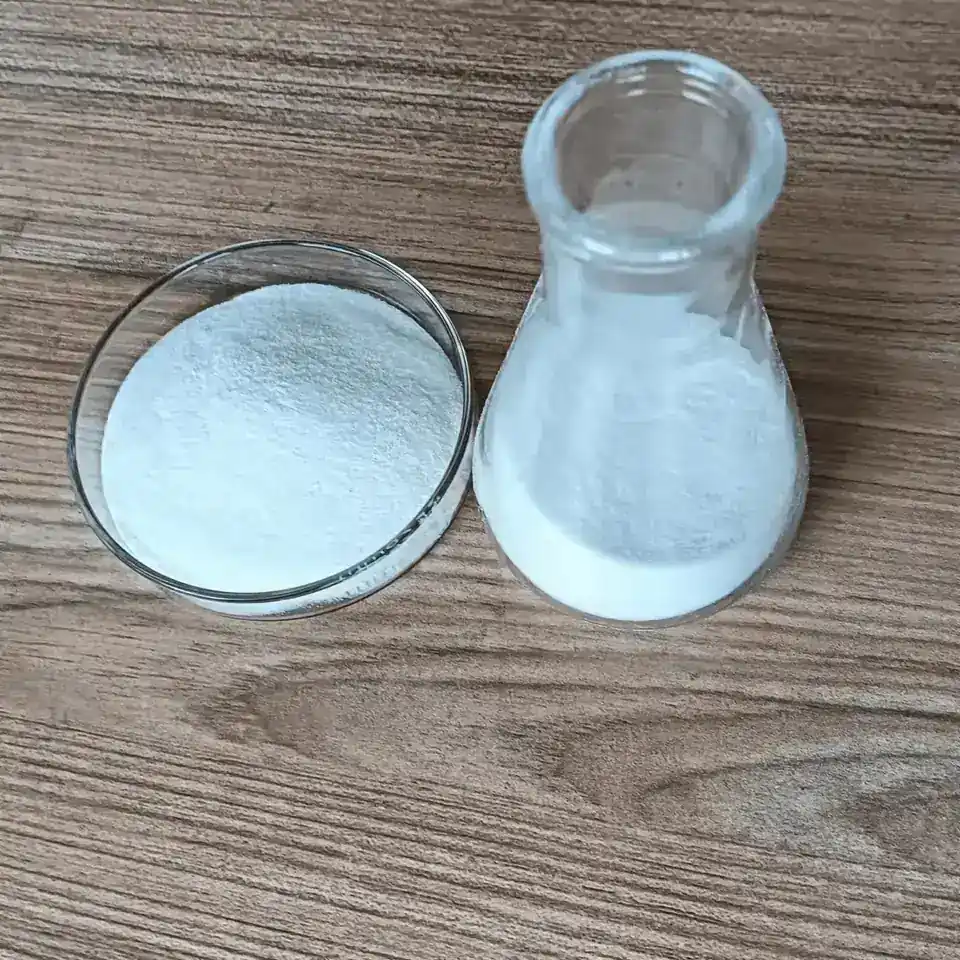
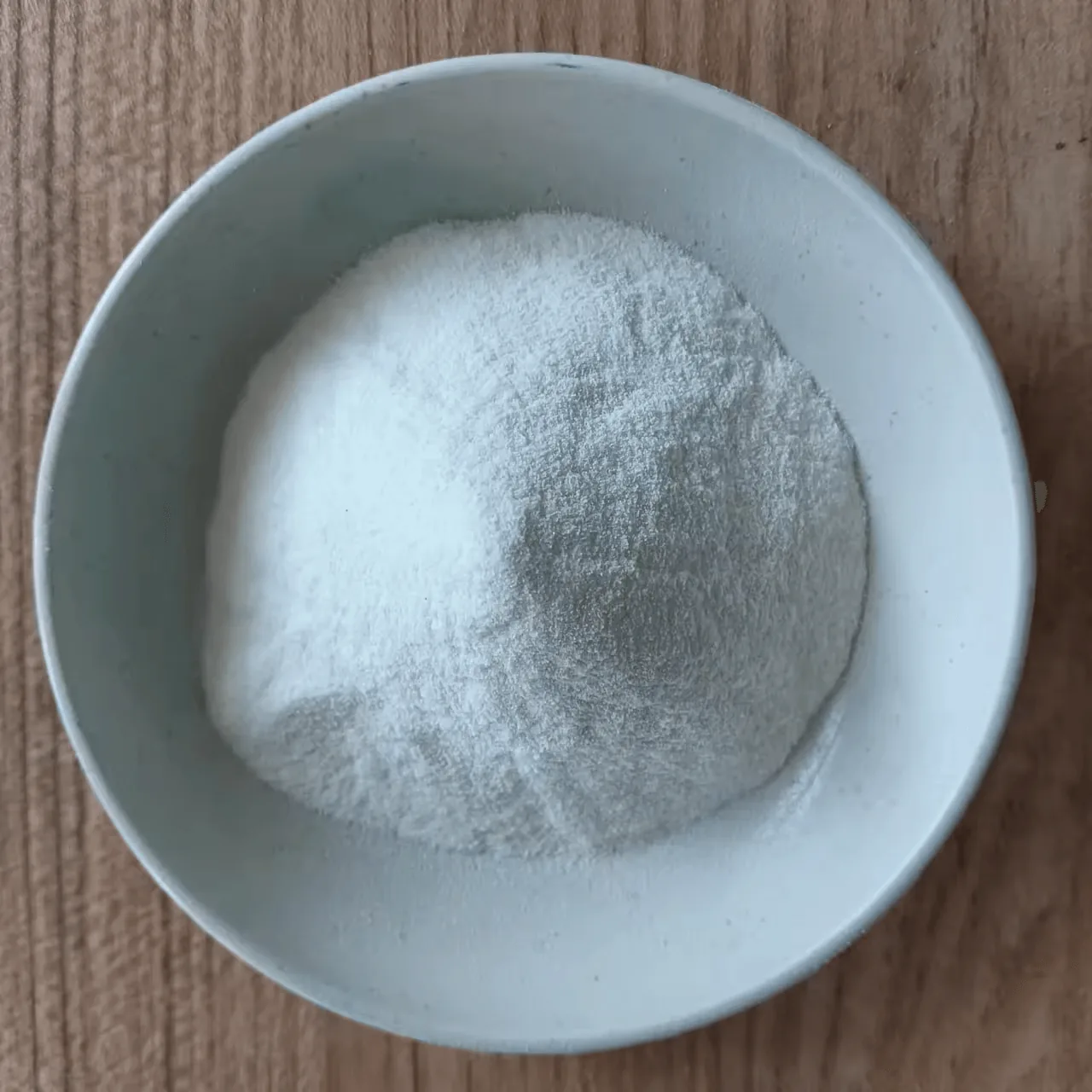
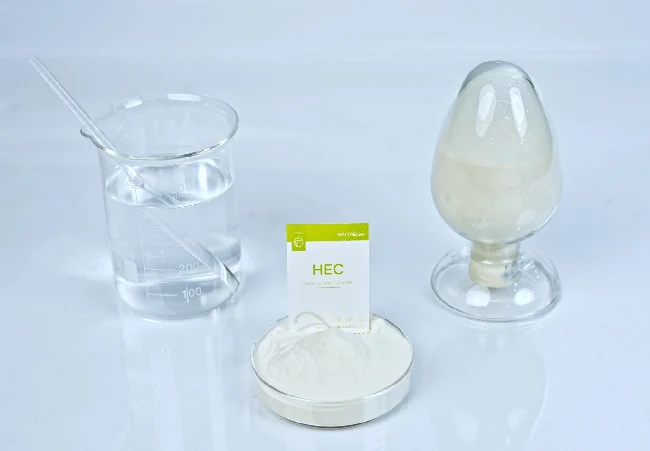
HEC for textile environmental protection is supplied by Yiyuantong Chemical as a sizing agent and print paste thickener for textile processing. Hydroxyethyl Cellulose In the textile industry, as people’s demand for high-quality, environmentally friendly textiles increases, hydroxyethyl cellulose will be more widely used as a natural, environmentally friendly textile auxiliaries. Hydroxyethyl cellulose, has a wide range of application value in coatings, which can improve the performance, stability and construction performance of coatings, reduce production costs and improve environmental protection.
Key Benefits
- Forms a flexible film on the yarn that resists abrasion during weaving
- Gives sharp print definition by holding the paste where it is placed
- Dissolves in water for clean desizing without aggressive chemistry
- Held in stock: 800 tonnes of HEC are carried year round, and confirmed orders ship to the named port within 3 working days
Problems It Solves
- Warp breaks on the loom because the size film is brittle
- Print paste that bleeds outside the design edge
- Size that is hard to wash off in desizing, leaving residue in the finished cloth
Application Scenarios
- Warp sizing
- Pigment and reactive print paste
- Textile finishing baths
Who It Is For
- Weaving mills
- Textile printing houses
- Finishing chemical suppliers
Technical Features
- Non-ionic backbone, so viscosity survives salt and hard water
- Cold-water soluble, no cooking step needed in the mixing room
- Supplied from 300 to 200000 mPa.s so the grade can be matched to the process
- Molar degree of substitution of 1.8 to 3.0 for biological stability and high transmittance
- Solvent process raises the degree of substitution by 30 to 35 percent against traditional routes
Technical Data And Packing
| Product Name | Hydroxyethyl Cellulose |
|---|---|
| CAS No | 9004-62-0 |
| EINECS | 618-387-5 |
| Chemical Formula | (C2H6O2)n |
| Appearance | White or almost white, odorless, tasteless solid powder |
| Viscosity | 300-200000 mPa.s |
| Transmittance | at least 80.0 % |
| Molar Degree of Substitution | 1.8-3.0 |
| Water Content | 5.0 % max |
| Ash Content (as sulfate) | 6.0 % max |
| pH (1% solution) | 6.0-8.5 |
| Screening Rate (40 mesh) | at least 99 % |
| Packing | 25 kg per bag, inner polyethylene film, outer composite woven bag |
Packing is 25 kg per bag as standard: an inner polyethylene plastic film bag inside an outer composite plastic woven bag. Other pack sizes are arranged on request.
Raw Materials
- High alpha-cellulose refined cotton
- Wood pulp with high cellulose content
- Ethylene oxide
Manufacturing Process
- Alkalisation of refined cotton and wood pulp
- Etherification with ethylene oxide
- Acetone countercurrent washing
- Drying and milling
- 40 mesh screening
- Lot testing and packing
Quality Control
- Every lot is tested in our own laboratory against the customer specification before release
- Third-party verification is available through SGS, which we have worked with on export lots
- Certificate of analysis issued with each shipment; HPLC or NMR data supplied on request
- Acetone countercurrent washing removes process residues before drying and milling
How It Compares
| Starch size | Cellulose ether washes off more readily in desizing and gives more consistent viscosity |
|---|---|
| Guar derivatives | Cellulose ether is not subject to the seasonal quality variation of a crop-based gum |
Use Guide
- Prepare the size liquor at the working temperature of the size box and keep it circulating
- For print paste, hydrate fully before pigment or dye is added
Customisation Options
- Viscosity grade selected against your process, from 300 to 200000 mPa.s
- Private label bags printed with your own label content
- Packing sizes arranged to suit your blending line
- Sample shipment by FEDEX, DHL or EMS before a production order
Certification And Inspection
- SGS third-party inspection available on export lots
- Certificate of analysis issued with every shipment
- HPLC or NMR data supplied on request
Other Grades Buyers Compare With This One
Hydroxyethyl Cellulose Ether for Seed Processing
A film former, suspension aid and binder for seed treatment, fertilizer and pesticide formulations.
View Specification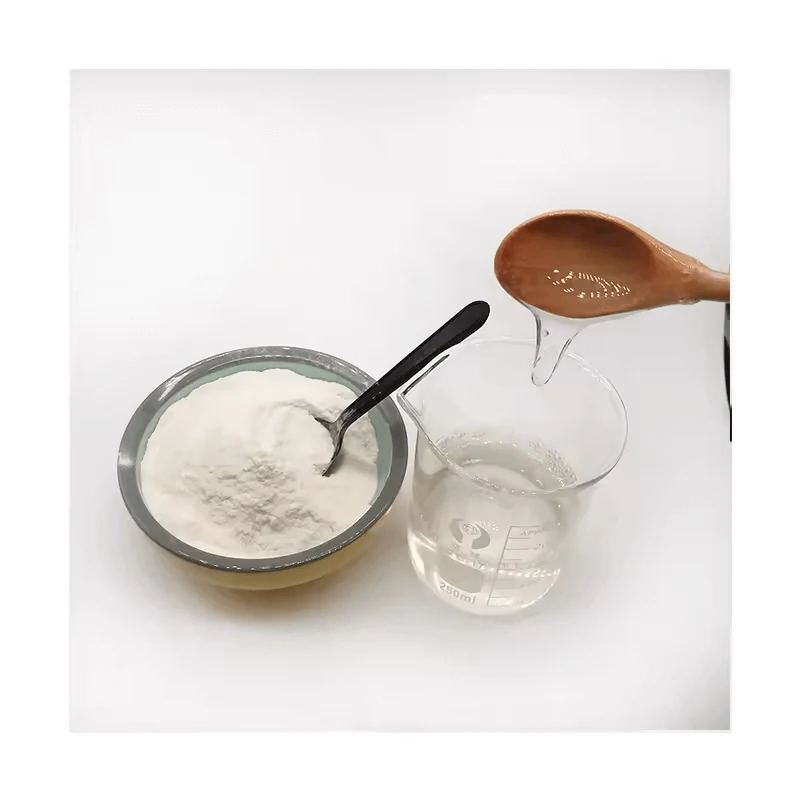
Hydroxyethyl Cellulose Ether for Fertilizer (Agricultural Grade)
A film former, suspension aid and binder for seed treatment, fertilizer and pesticide formulations.
View Specification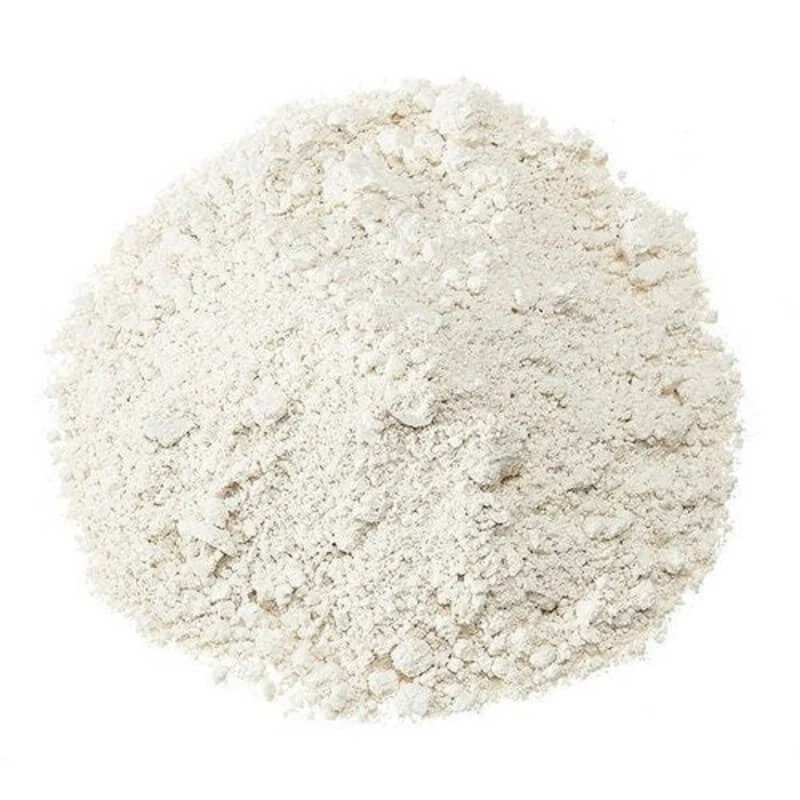
Hydroxyethyl Cellulose Ether for Gypsum
A water-retention agent and thickener in cement and gypsum based mixes.
View Specification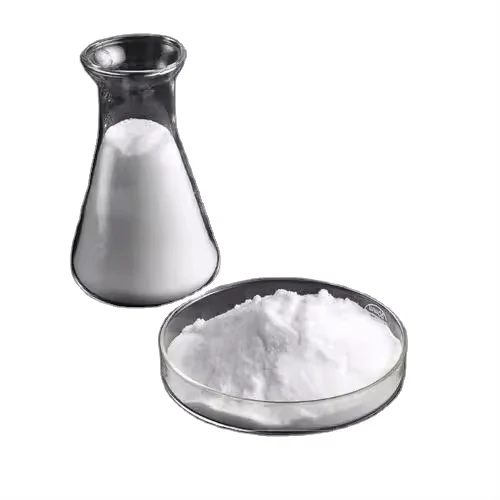
Hydroxyethyl Cellulose Ether for Soil Mortar
A water-retention agent and thickener in cement and gypsum based mixes.
View Specification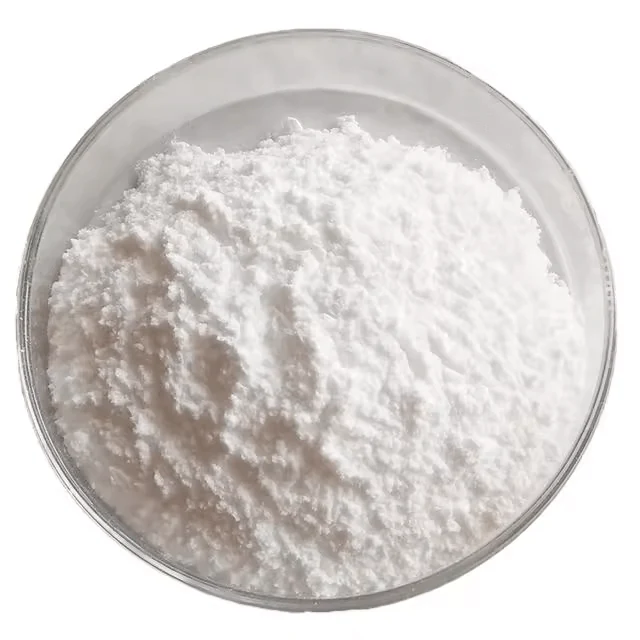
Hydroxyethyl Cellulose Ether for Emulsifier
A protective colloid and dispersion stabiliser in emulsion polymerisation.
View Specification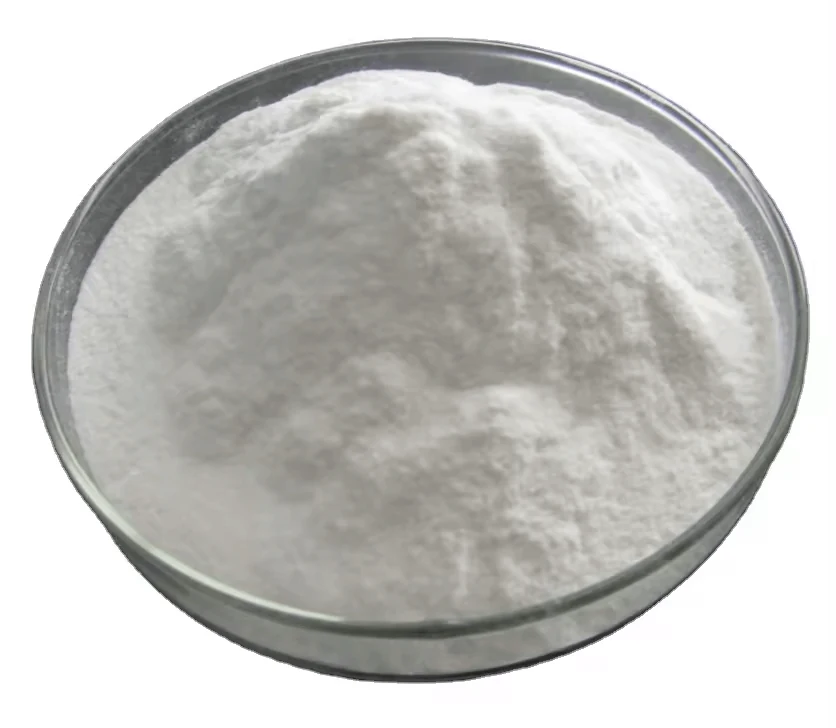
Hydroxyethyl Cellulose Ether for Ceramics
A binder and plasticiser for ceramic bodies and glazes.
View SpecificationTechnical Notes
Industry Pages
HEC for textile environmental protection FAQ
Does it wash out completely in desizing?
It is water soluble, which is why it is used where easy desizing matters. Confirm on your own desizing line and effluent limits.
Can it be used on blended yarn?
It is used as a sizing agent across cotton and blended systems. Send your yarn count and loom speed and we will suggest a grade.
Are you a manufacturer or a trading company?
We are a manufacturer and you are welcome to visit the plant. Our hydroxyethyl cellulose project runs at 5000 tonnes a year on an acetone countercurrent washing process.
What payment terms do you accept?
L/C, T/T, D/A, D/P, PayPal and Western Union. We have worked with China Export and Credit Insurance Corporation for many years.
How fast can you ship?
Stock items are despatched within 5 days of payment. If the grade is not in stock, production and despatch take 7 to 10 days from payment.
Get A Price For HEC for textile environmental protection
Send the quantity, the viscosity grade and the destination port. We reply with price, lead time and the lot analysis.