
Introduction to Hydroxyethyl Cellulose (HEC):
1. HEO is soluble in hot or cold water and does not precipitate at high temperatures or boiling, giving it a wide range of solubility and viscosity properties, as well as non-thermal gelling properties;
It is nonionic and can coexist with a wide range of other water
soluble polymers, surfactants, and salts. It is a good colloidal thickener for solutions containing high-concentration electrolytes; 3. The water retention capacity is twice as high as that of methylcellulose, and it has better flow regulation. 4. The dispersing ability of HEC is poor compared to the recognized methylcellulose and hydroxypropylmethylcellulose, but its protective colloid ability is strong. As a protective colloid, HEC can be used in vinyl acetate emulsion polymerization to improve the stability of the polymerization system in a wide pH range. Additives such as pigments and fillers are used in the manufacture of finished products to evenly disperse, stabilize and provide thickening. It can also be used as a dispersant for suspension polymers such as styrene, acrylate, and propylene. Used in latex paint, it can significantly improve thickening and leveling properties.
HEC is used as a thickener in various muds required for drilling, well fixing, cementing and fracturing operations to ensure good fluidity and stability of the mud. It improves the mud carrying capacity during drilling and prevents a large amount of water from entering the oil layer from the mud, thus stabilizing the production capacity of the oil layer.
3. For building construction and building materials:
Due to its strong water retention capacity, HEC is an effective thickener and binder for cement slurry and mortar. Adding it to mortar can improve fluidity and construction performance, prolong the evaporation time of water, and prevent early cracks in concrete. Used for painting gypsum, bonding gypsum, and gypsum putty to significantly improve its water retention and bonding strength. Due to its strong salt resistance and acid resistance, HEC can ensure the stability of toothpaste. In addition, toothpaste should not be dry due to its strong water retention and emulsifying ability.
When used in water
based inks, HEC can make the ink dry quickly and prevent it from penetrating.
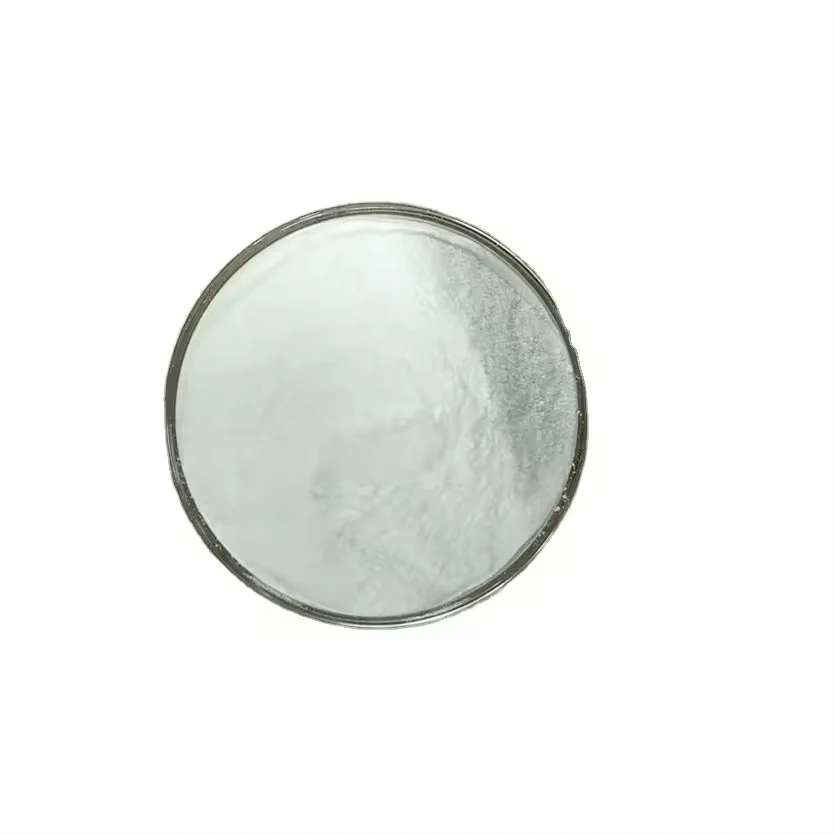
Grades Referred To In This Note
Hydroxyethyl Cellulose Ether for Seed Processing
A film former, suspension aid and binder for seed treatment, fertilizer and pesticide formulations.
View Specification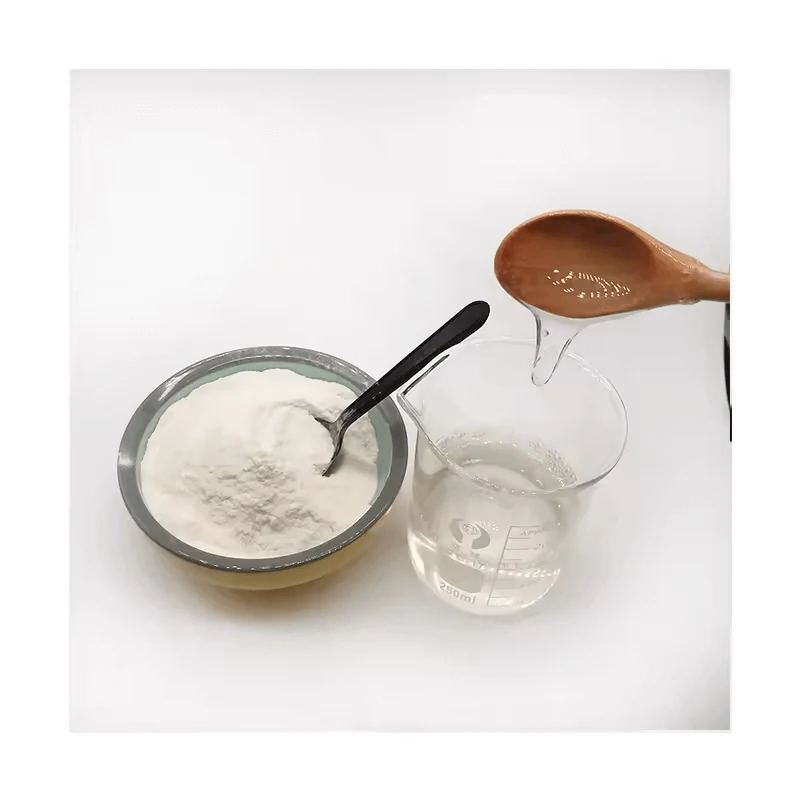
Hydroxyethyl Cellulose Ether for Fertilizer (Agricultural Grade)
A film former, suspension aid and binder for seed treatment, fertilizer and pesticide formulations.
View Specification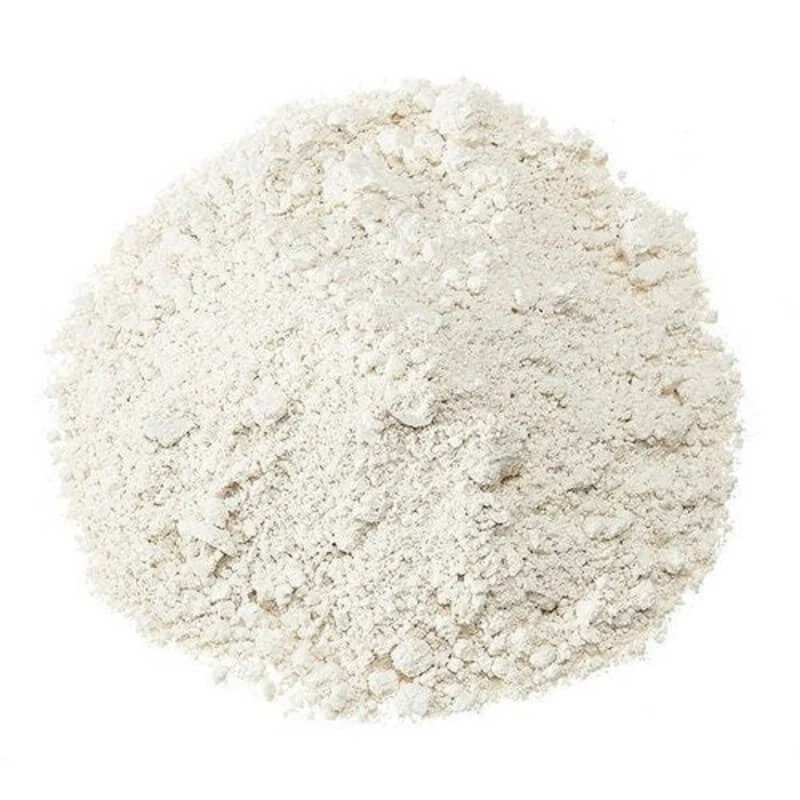
Hydroxyethyl Cellulose Ether for Gypsum
A water-retention agent and thickener in cement and gypsum based mixes.
View SpecificationAbout This Note
Where do the figures in this note come from?
They are the specification figures we publish for our own production: viscosity 300 to 200000 mPa.s, transmittance at least 80.0 percent, water content 5.0 percent maximum and ash content 6.0 percent maximum as sulfate.
Can you send the full data sheet?
Yes. Ask on WhatsApp or by email and we will send the current data sheet and the lot analysis.
Put This Into Practice
Send your formulation target and we will suggest the grade and the starting dose.