How Pet Microchips Work
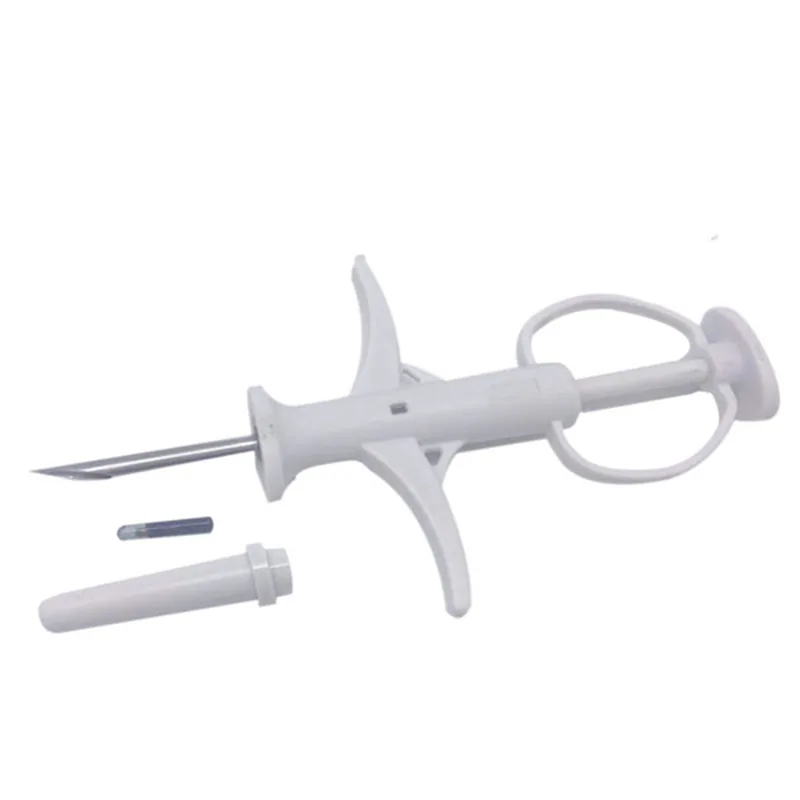
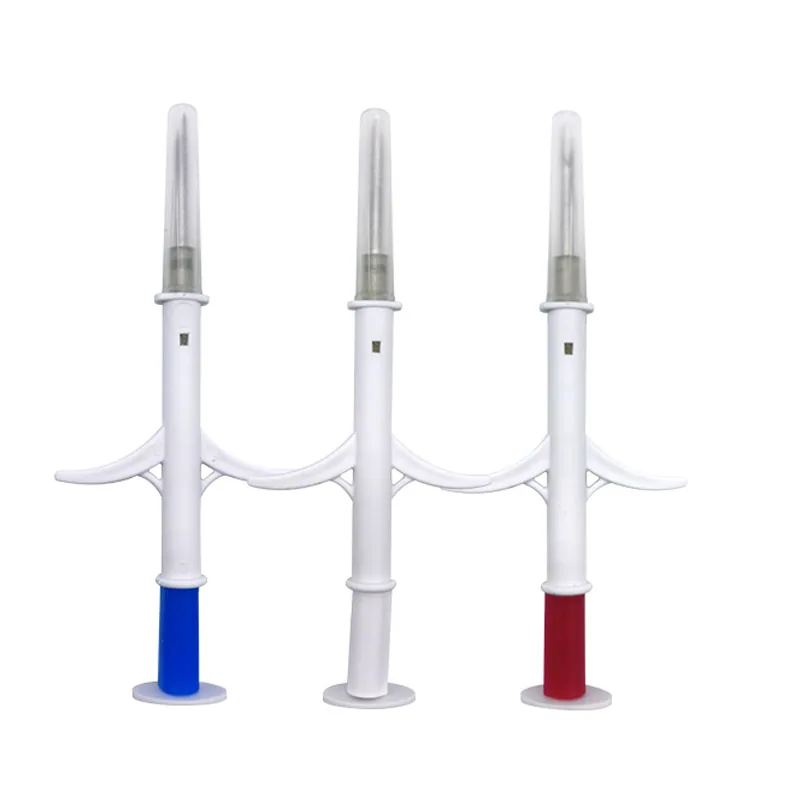
Pet microchips use RFID technology to provide a permanent, tamper-resistant ID. The chip has no battery, is the size of a grain of rice, and is implanted under the animal’s skin. It contains a globally unique ID code that is read by a compatible RFID scanner.
What Happens After Implantation
The chip is coated with a biocompatible material that allows it to integrate with the animal’s tissue over time. It does not cause rejection, does not affect appearance, and remains stable under the skin for the animal’s lifetime.
Reading the Chip
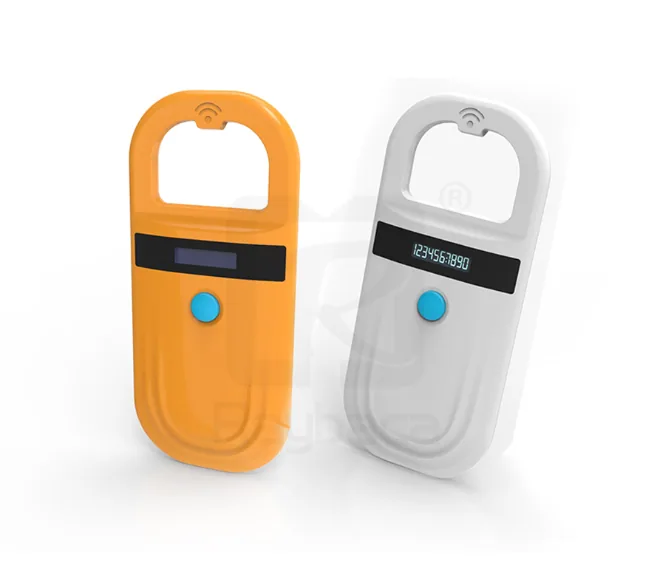
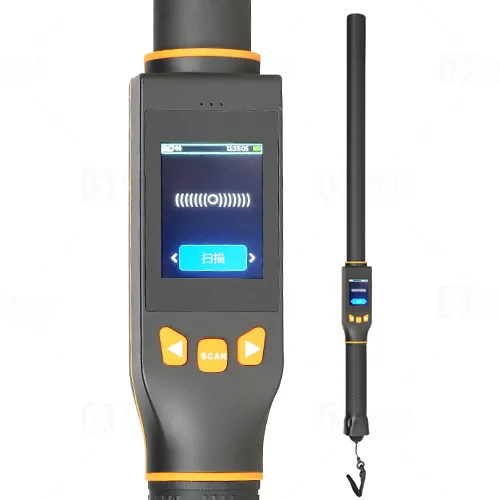
A handheld or fixed RFID reader sends a signal to the chip. The chip responds with its unique ID code, which is then displayed on the reader. This allows the owner’s contact information to be retrieved from a registered database.
Durability and Lifespan
The chip is designed to withstand physical stress. It can survive a fall from a height of two meters and remains functional under skin and fur. The expected service life is 18 to 20 years, making it a long-term identification solution.
Why Use Microchips Instead of Collars
Collars can fall off, break, or be removed. A microchip is implanted once and remains with the animal for life. It is the most reliable method for permanent identification, especially in cases of loss or theft.