What RFID Actually Does in Animal Husbandry
RFID uses radio waves to read unique IDs stored in tags without line of sight. In livestock and pet management, it replaces manual checks by capturing animal identity, location and movement data automatically. The tag holds a number that links to records in software, enabling traceability, health monitoring and breeding tracking.
How Tags and Readers Work Together
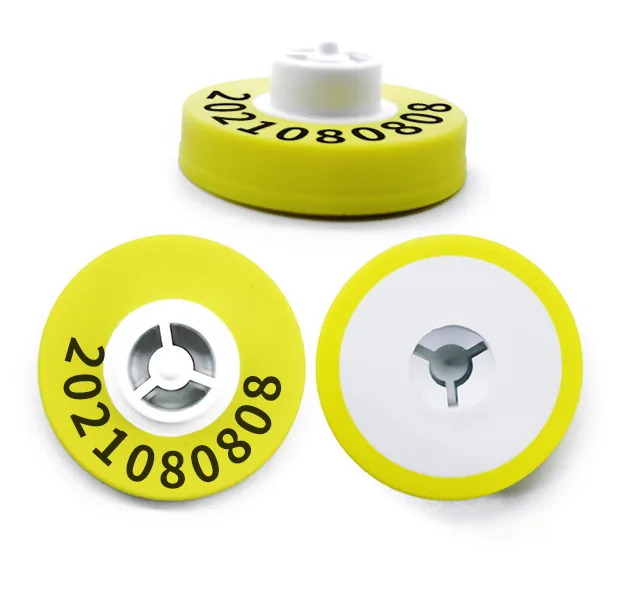
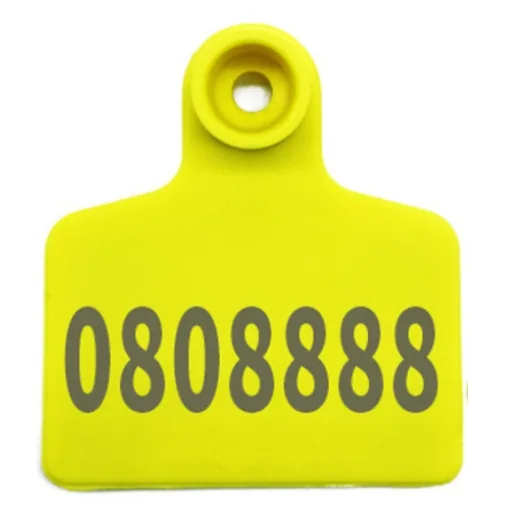
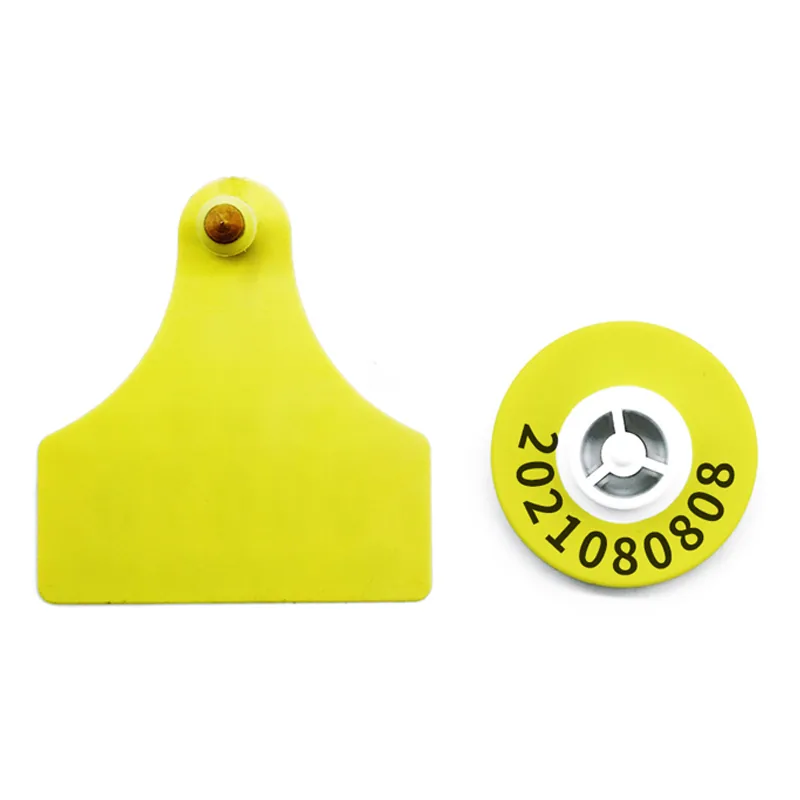
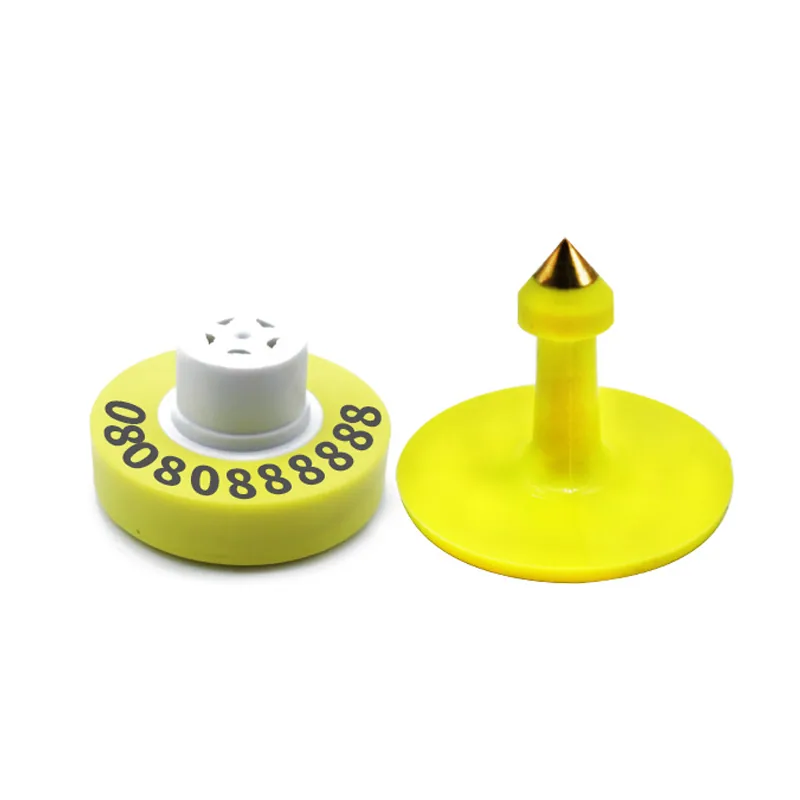
A tag contains a microchip and antenna. When a reader sends a radio signal, the tag powers up and sends back its ID. The reader captures this ID and passes it to software. The system only works if the tag and reader use the same frequency and protocol, such as 134.2 kHz for LF or 860-960 MHz for UHF.
Why Frequency Matters for Animal Tags
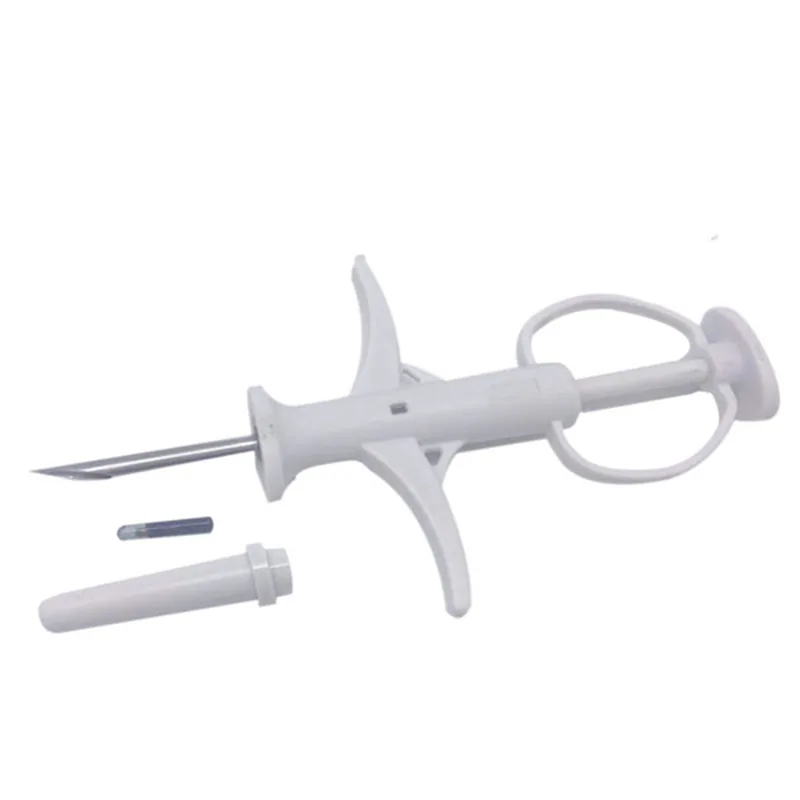
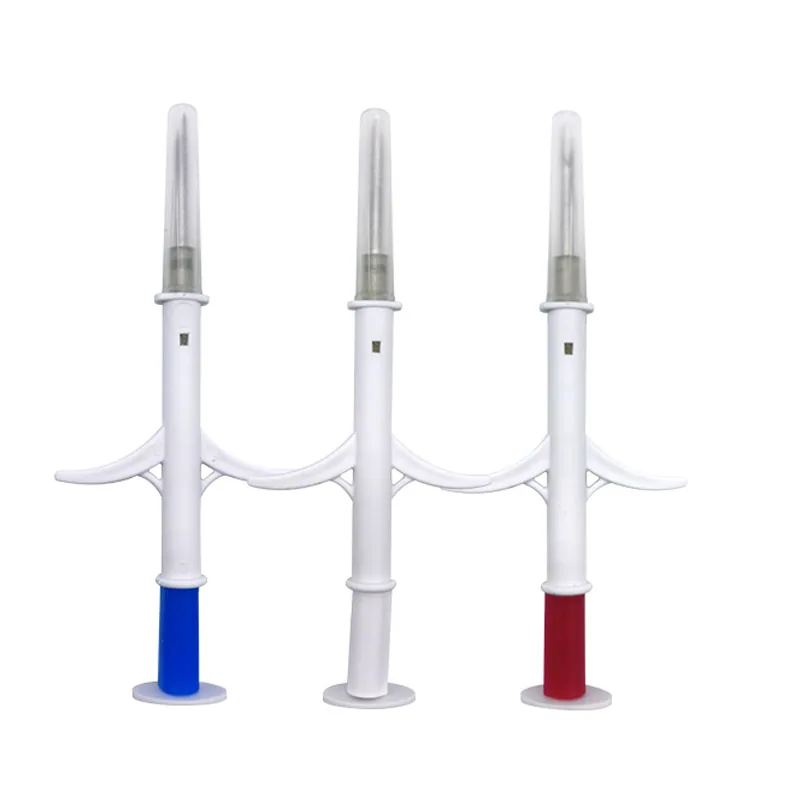
Low frequency (134.2 kHz) tags are read at close range and work well through wet or wetted tissue, making them reliable for implanted microchips and on animals with muddy ears. Ultra high frequency (860-960 MHz) tags can be read from 1 to 5 metres, enabling group reading at gates, loading ramps or weigh crates without handling.
Where RFID Solves Real Problems on the Farm
When animals move between farms, during vaccination or at slaughter, RFID ensures every animal has a verified ID. This supports official traceability programmes, prevents data loss from handwritten records, and reduces the risk of missing an animal during a pen check or transport.
Matching Tags to the Way You Work
If your process involves handling animals one at a time—like at a clinic, vaccination race or individual check—low frequency tags with a handheld reader are sufficient. If you need to count or verify groups as they pass through a gate, use UHF tags and fixed or handheld UHF readers. Mixing frequencies requires separate readers and careful planning.