What Is an EID Ear Tag
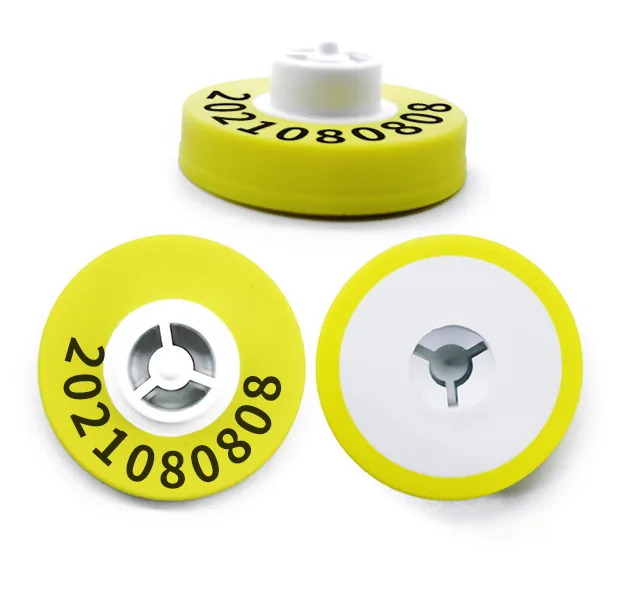
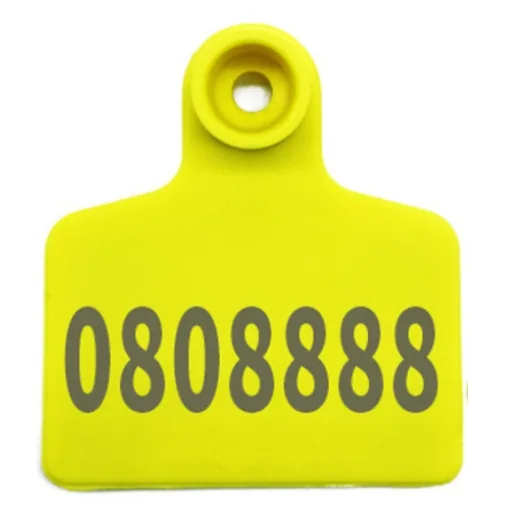
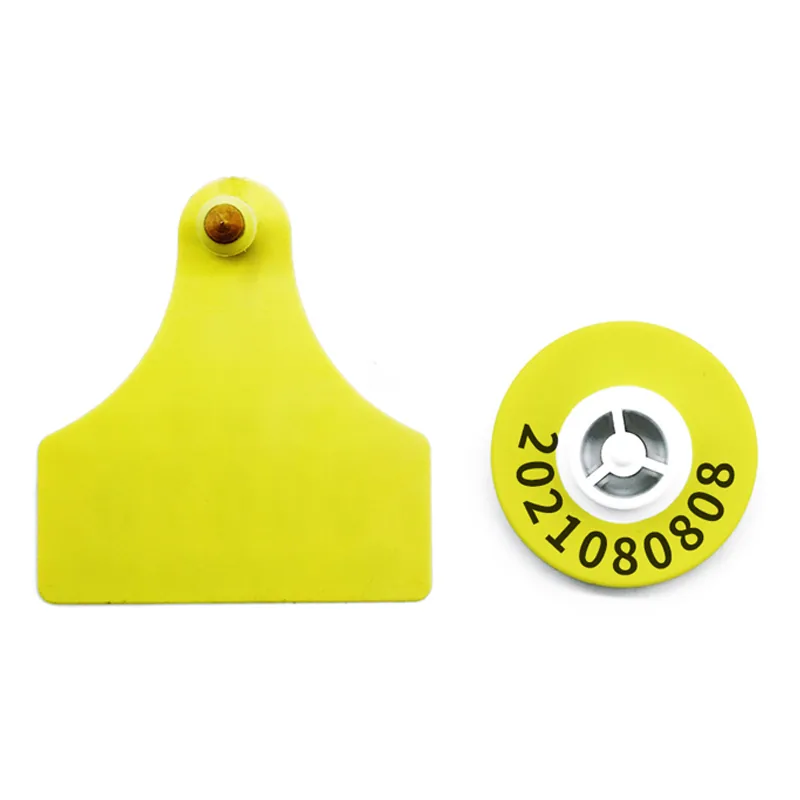
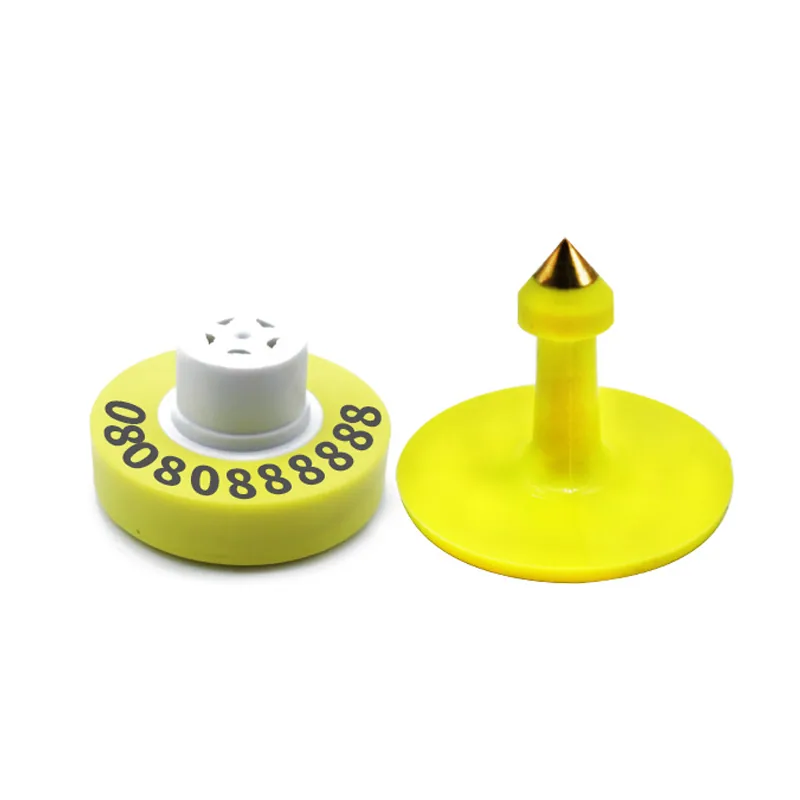
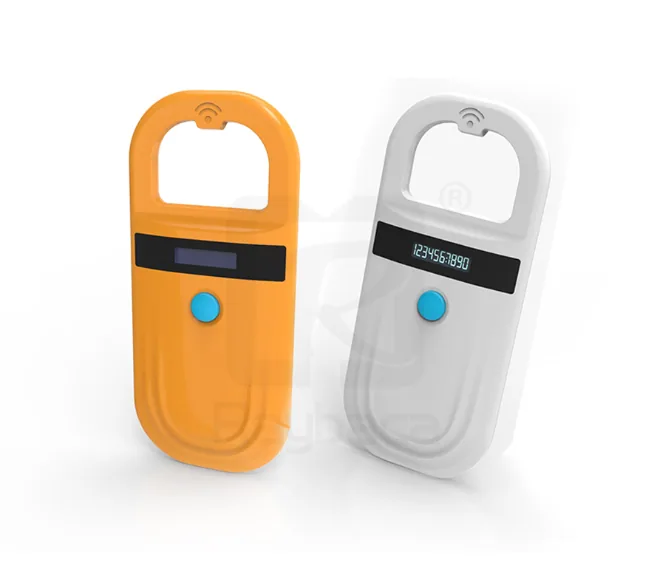
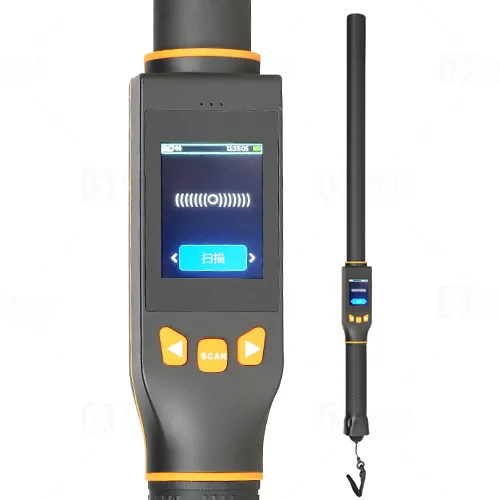
An EID ear tag is a passive RFID device that gives each animal a unique 10- or 15-digit electronic identity. It is designed for long-term identification and data capture in livestock management. The tag is placed in the ear and can be read remotely using an EID reader without line of sight.
How EID Tags Work
EID tags use radio frequency to transmit their unique ID. Low frequency tags operate at 134.2 kHz using inductive coupling, where energy is transferred through electromagnetic fields between the reader and the tag. UHF tags operate in the 860-960 MHz band using electromagnetic coupling, relying on mutual inductance between circuits to transfer data.
Standards and Compatibility
Low frequency EID ear tags follow ISO 11784 and ISO 11785 standards. UHF ear tags follow ISO/IEC 18000-6C. These standards ensure that tags from different manufacturers can be read by compliant readers, provided the frequency matches.
Why Use EID Tags in Farm Management
EID tags allow fast and accurate data collection on individual animals. They eliminate manual reading, reduce human error, and support traceability across breeding, health records, and movement. The tags are passive, so they do not need batteries and can last the animal's lifetime.
Signal Penetration and Environment
Low frequency tags have strong signal penetration through tissue, wood, plastic, soil, and feces. This makes them reliable even when the tag is partially obscured. UHF tags are more sensitive to water and metal, which can reduce reading range in wet or enclosed environments.