What Each Tag Type Actually Does
Visual ear tags show a number by sight. They help small farms track animals by eye but require manual record keeping. RFID ear tags store a unique digital ID that a reader can access without touching the animal. This enables automated tracking from birth to slaughter and supports digital farm management systems.
How Material and Design Support Longevity
Both visual and RFID ear tags use TPU (Thermoplastic Polyurethane) material sourced from BASF or BAYER. This material resists biting, freezing, UV exposure, and weathering. The design includes anti-bite features and a lightweight, compact shape that stays secure on an animal's ear for years.
When to Choose Visual Tags
Use visual ear tags on small farms with fewer than 100 animals where manual record keeping is manageable. They are low cost and simple to apply, but they do not support automated data capture or integration with digital systems.
When to Choose RFID Tags
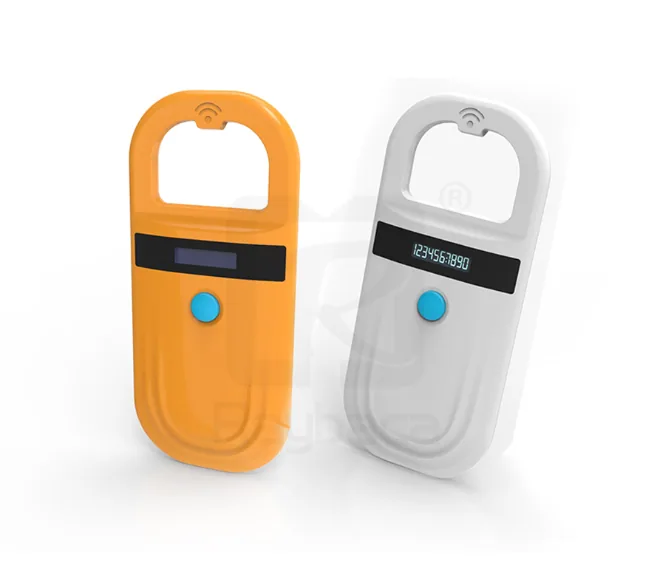
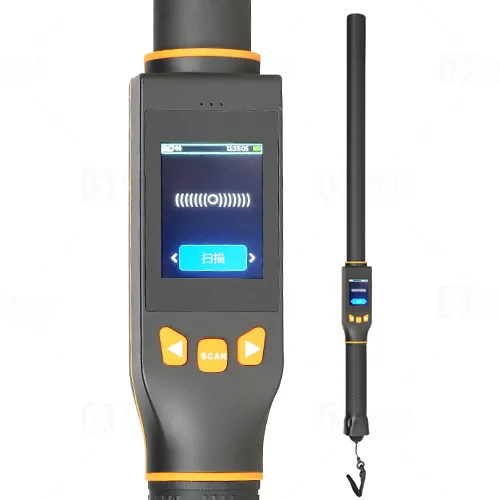
Use RFID ear tags on farms that need to track animals through feeding, vaccination, movement, slaughter, or sales. The digital ID can be read at a distance with a handheld or fixed reader, and data flows into animal management software for full traceability.
Customization and Data Management
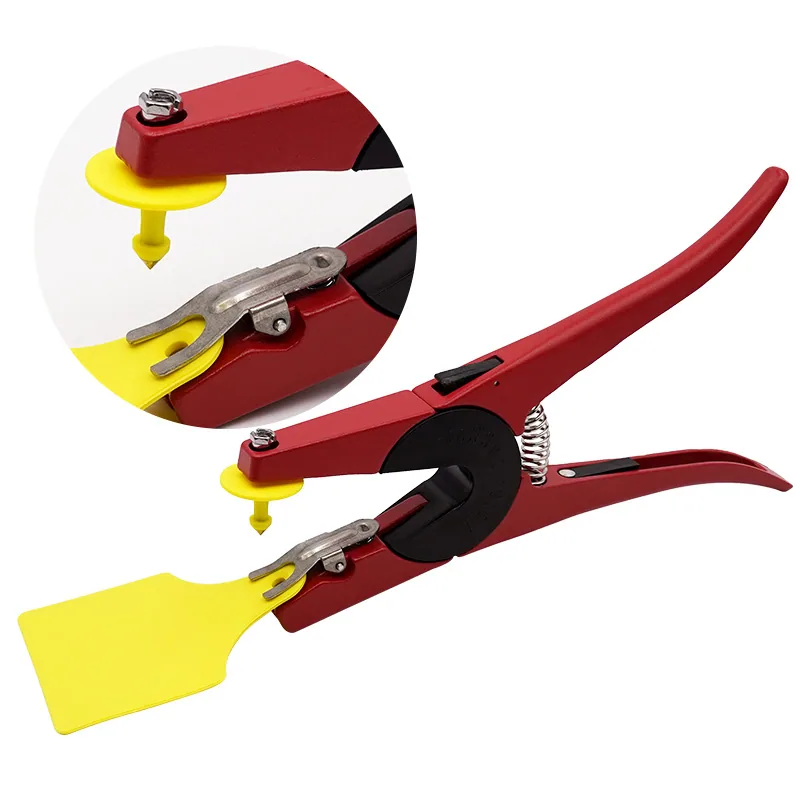
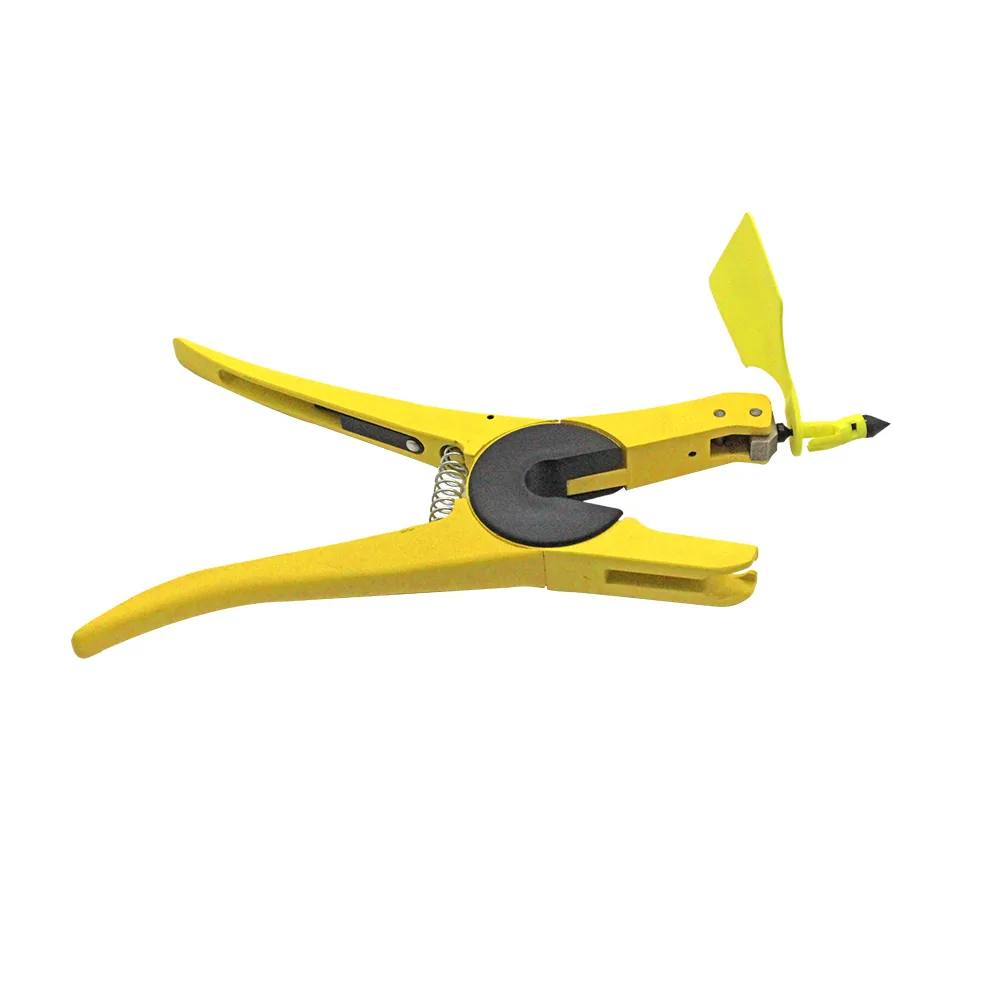
Both tag types support laser printing of numbers, custom logos, and colour selection. RFID tags go further by storing a unique identification code that can be read and written. They work with applicators and readers to enable automated data entry and integration with farm management software.