Why Pig Farms Need RFID in a Post Pandemic World
The pandemic disrupted meat processing and caused farm closures due to worker infections and lockdowns. Animals reaching slaughter weight had no place to go, creating financial strain. RFID helps pig farms maintain traceability and operational continuity when supply chains are under pressure.
How RFID Supports Pig Farm Management
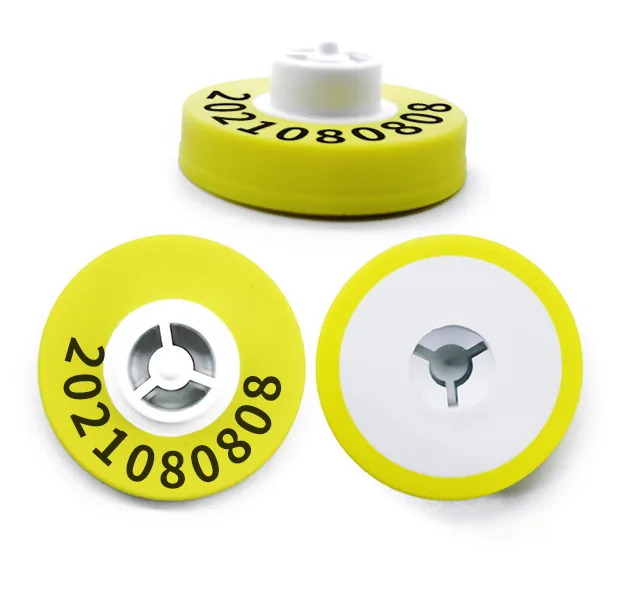
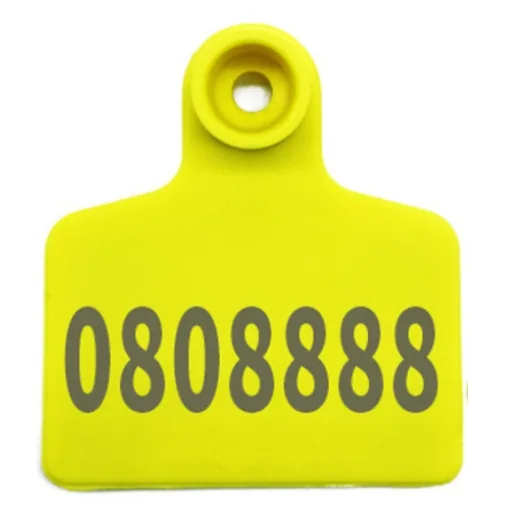
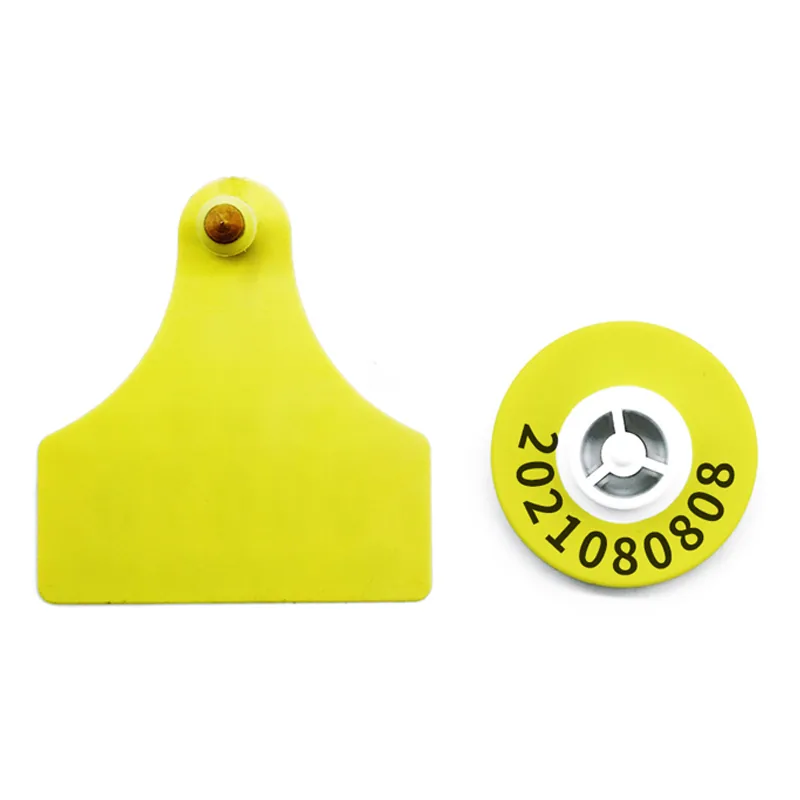
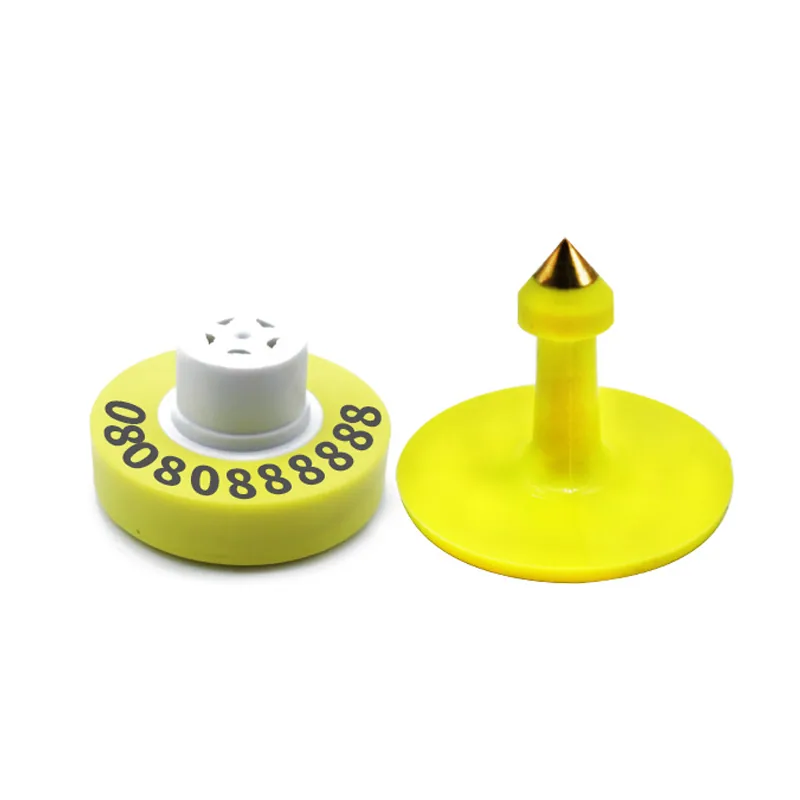
RFID ear tags track each pig from birth to slaughter. This allows farms to monitor health, feeding, vaccination and movement. In times of crisis, such as a disease outbreak or processing halt, this data enables rapid isolation and compliance with export or national traceability rules.
UHF Tags for Fast Group Reading at Gates and Weighbridges
UHF ear tags at 860-960 MHz read from 1 to 5 metres. This allows automatic capture of pigs as they move through gates, loading ramps or weigh crates without handling. This reduces labour, speeds up movement checks and supports continuous farm operations during disruptions.
LF Tags for Individual Checks and Clinic Use
Low frequency tags at 134.2 kHz read reliably at close range, even through wet or muddy ears. They are used for individual animal checks, vaccinations and in clinics where a handheld reader is held directly against the animal.
Matching Tags to Readers Before Deployment
A reader only works with its matching frequency. A 134.2 kHz reader cannot read a UHF tag, and a UHF reader cannot read an implanted pet microchip. Choose the frequency based on where the read happens, then buy tags and readers together to avoid mismatched equipment.