Why Electronic Ear Tags Are Required for Modern Livestock Management
Without electronic ear tags, identifying individual animals in a herd is unreliable. A single untagged animal can delay disease detection, disrupt traceability, and increase risk during outbreaks. RFID tags provide a unique, tamper-resistant ID that survives outdoor conditions for years and enables real-time data capture.
How Tags Enable Disease Control at Scale
When a disease like African swine fever appears, electronic ear tags allow immediate access to each animal’s breed, origin, vaccination history, and health status. This enables rapid isolation of affected animals and prevents farm-wide shutdowns. The system supports timely response by linking data from the farm to national traceability networks.
Real-Time Monitoring of Feeding and Health Events
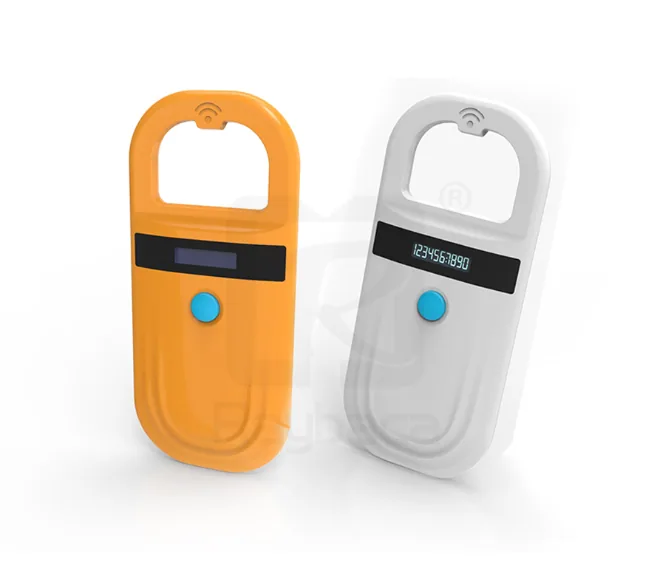
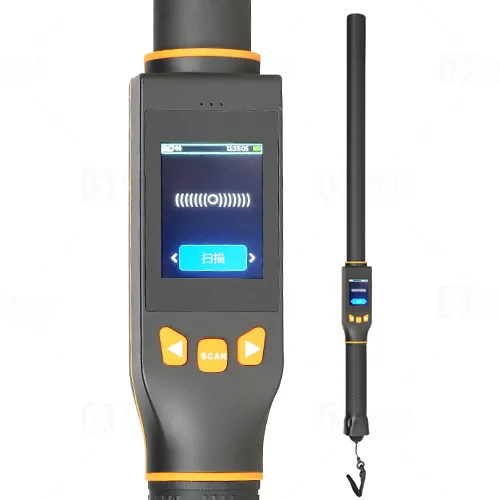
RFID readers automatically capture data when animals pass through gates or chutes. This includes feeding schedules, medication administration, weight changes, and inoculation records. All data is uploaded to a central database, enabling continuous quality monitoring from pasture to slaughter.
Support for Full Traceability from Farm to Consumer
Each animal’s electronic tag carries a lifelong record. Authorities can trace meat back to the original farm, transport route, slaughterhouse, and retail outlet. This transparency ensures food safety and builds consumer confidence in livestock products.
Automated Management of Farm Operations
With RFID tags, farms can automate tracking of barn numbers, material use, disease events, deaths, drug usage, and slaughter records. This reduces manual entry errors, improves record accuracy, and supports compliance with national livestock management standards.