What RFID Actually Does On A Farm
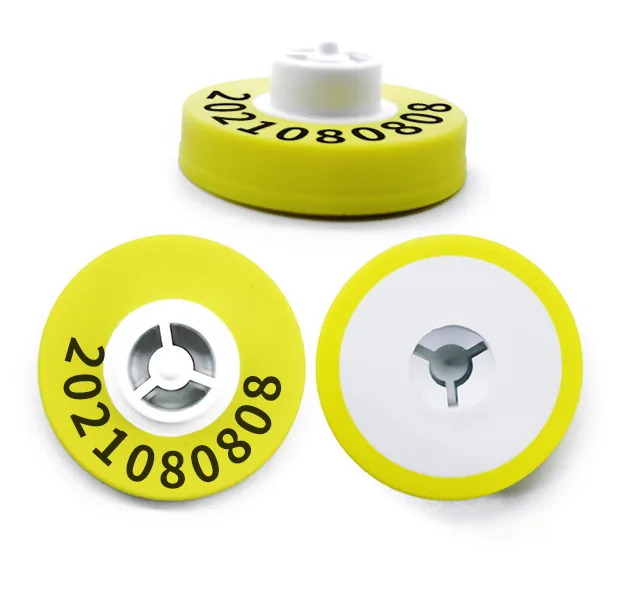
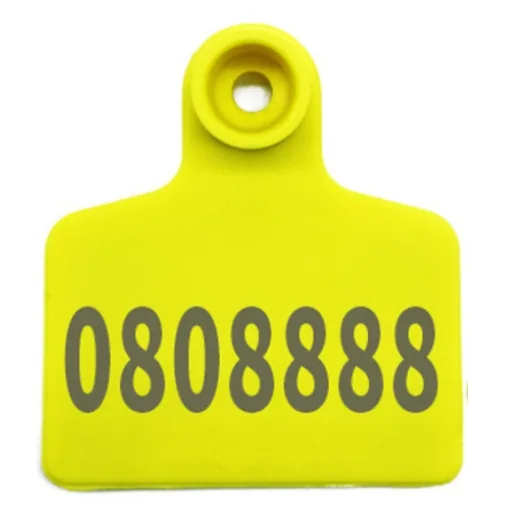
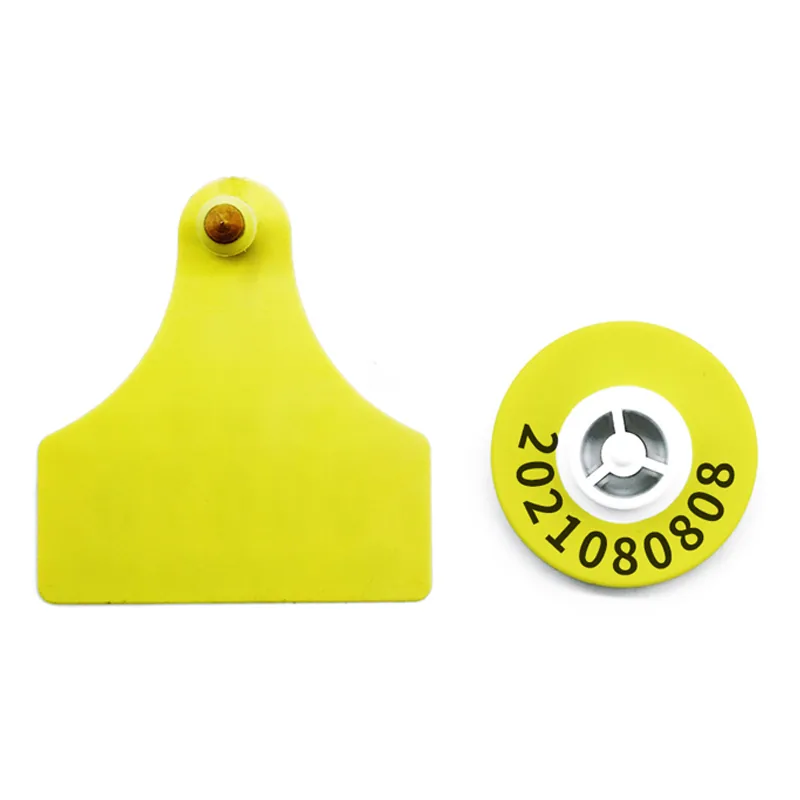
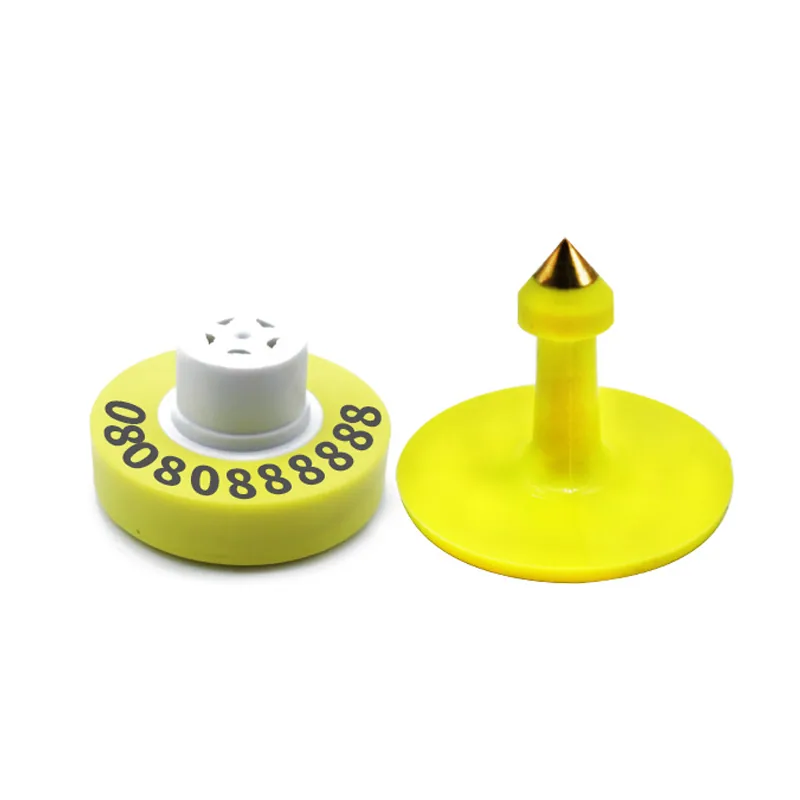
RFID solves the problem of identifying animals without relying on visual marks or memory. Each animal carries a unique ID that survives weather, dirt, and time, and can be read at speed without handling. This is how traceability, vaccination records, and breeding data stay accurate across a herd.
How Tags Work With Readers
A tag only responds when a reader sends a signal at the right frequency. Low frequency tags at 134.2 kHz are read at close range, typically within 10 cm, and are not affected by water or metal. Ultra high frequency tags at 860-960 MHz can be read from 1 to 5 metres, allowing group reading at gates or loading ramps.
Why Frequency Matters For Your Operation
Low frequency tags are reliable in wet or muddy conditions and are used in official identification schemes. UHF tags enable fast, hands-free reading during movement events, but performance drops when animals are packed tightly or near metal surfaces.
Matching Tags To Your Workflow
If you check animals one at a time at a chute or in a clinic, low frequency tags with a handheld reader are sufficient. If you need to read multiple animals as they move through a gate, weigh crate, or loading ramp, UHF tags and fixed or handheld UHF readers are required.
What You Need To Know Before Ordering
A reader only works with tags of the same frequency. A 134.2 kHz reader will not read a UHF tag, and a UHF reader will not read an implanted pet microchip. Choose the frequency first, then select tags and readers that match.