Automatic Identification Reduces Manual Work
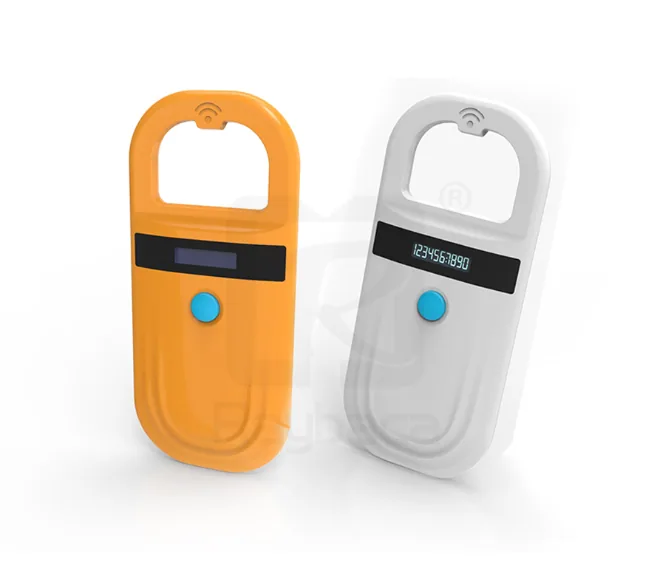
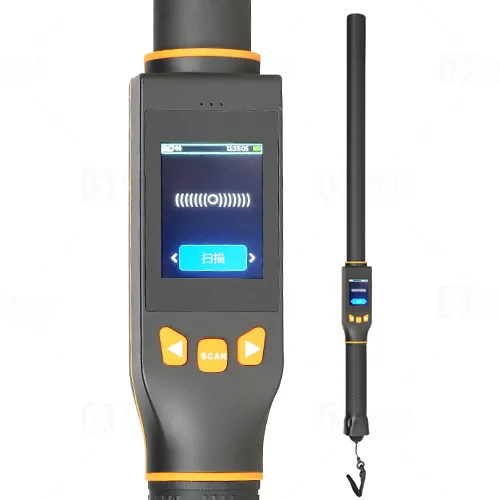
RFID tags store a unique ID that can be read without direct contact. Staff use handheld or fixed readers to capture data from animals at a distance, eliminating the need to manually record numbers from visual tags or ear notches.
Traceability Across the Entire Life Cycle
Every animal is tracked from birth to slaughter. The system logs events such as vaccination, movement, disease outbreaks, and transport. If an issue arises, the system retrieves the animal's full history in seconds.
Centralized Data Management Saves Time
All animal data is stored in a single system. Searching for a specific animal, checking herd health, or generating reports is done through a server, not by sifting through paper records or multiple spreadsheets.
Reliable Reading with Low Failure Rate
RFID tags are designed for harsh farm conditions. They respond quickly and consistently, even when exposed to moisture, dust, or temperature changes. The system uses fault-tolerant servers to maintain stable network performance.
Real-Time Response During Emergencies
When an outbreak occurs, the system identifies affected animals and their movement history instantly. This allows authorities to act fast, isolate risks, and prevent wider spread without delay.
Scalable System for Future Growth
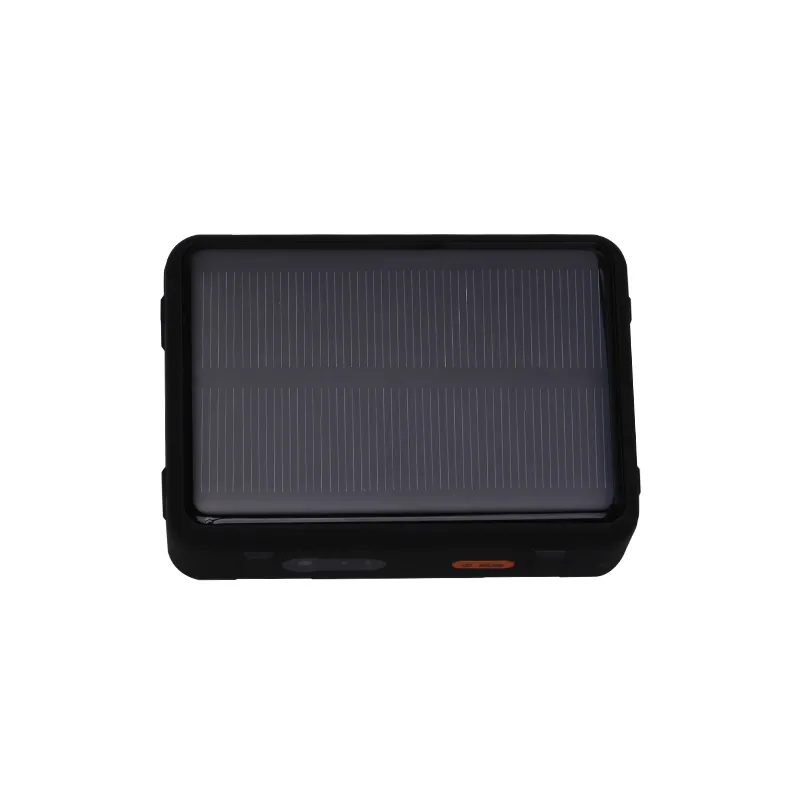
The system is built to grow. New farms, more animals, or additional features like GPS tracking can be added without replacing the core infrastructure.