What RFID Actually Does On A Farm
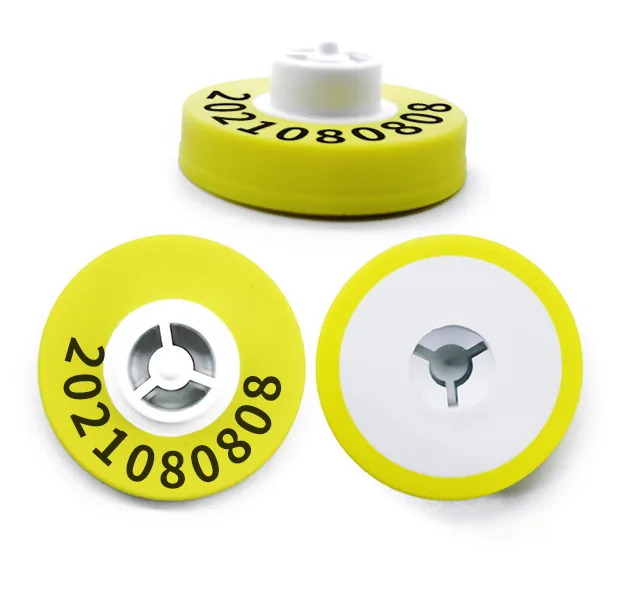
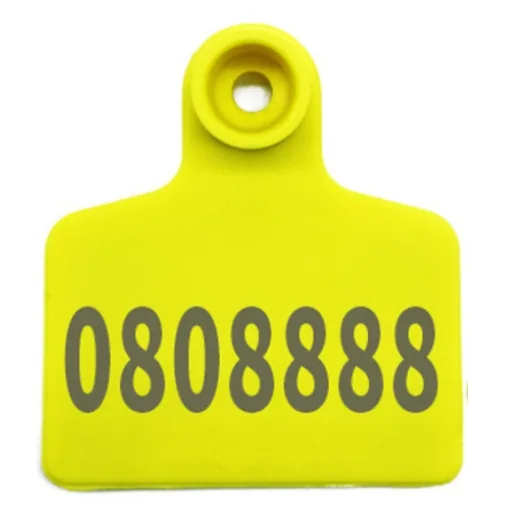
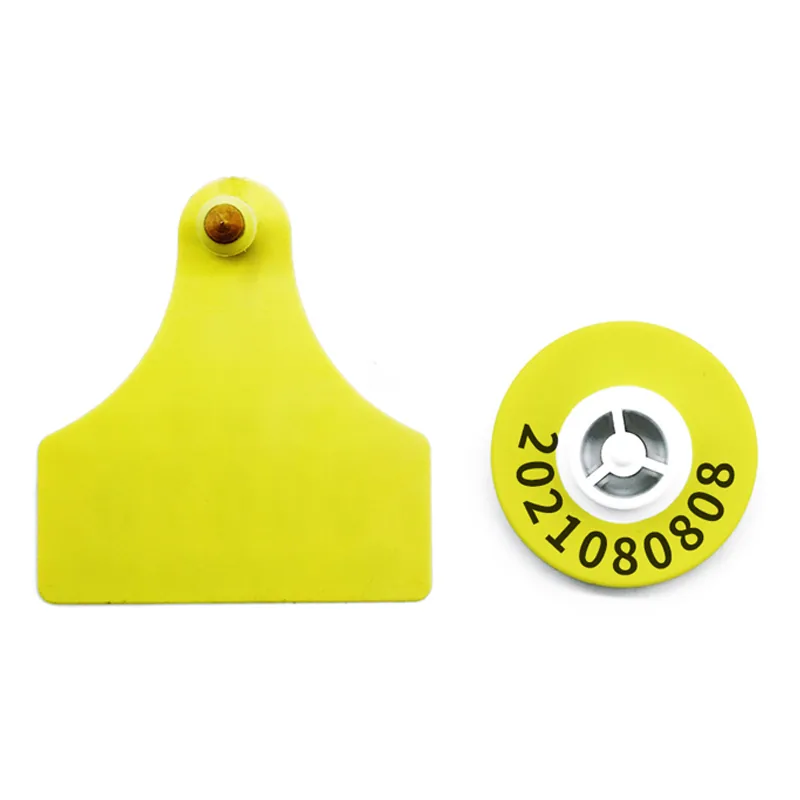
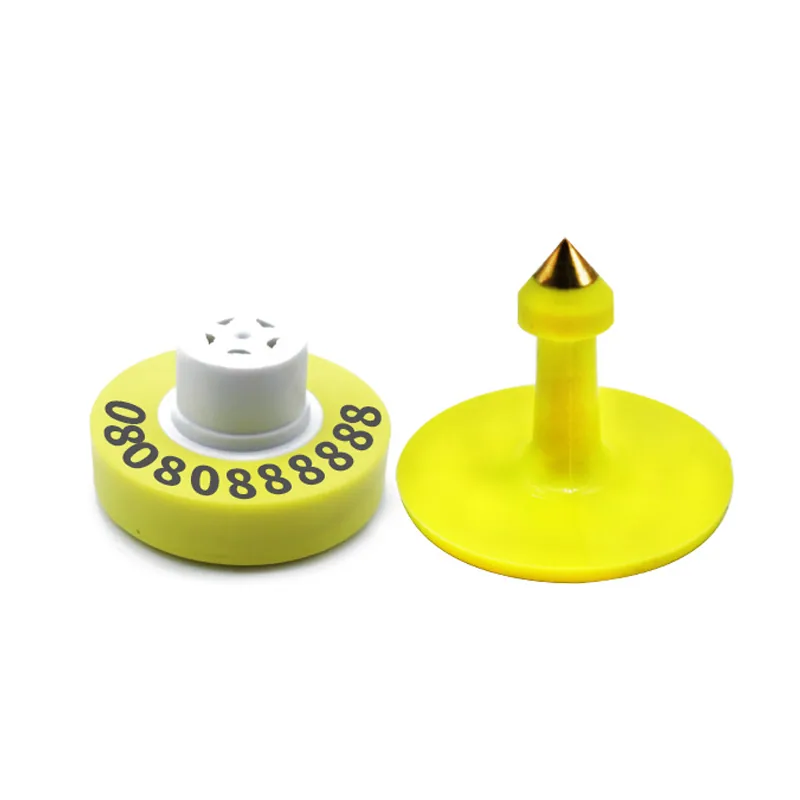
RFID tags provide a unique, tamper-resistant ID that survives outdoor conditions for years. They enable automatic identification of livestock and pets without manual entry, reducing errors and saving time during handling, vaccination, transport and slaughter.
How Tags Feed Data Into Management Systems
Each tag holds a serial number that links to a digital record. When read by a handheld or fixed reader, the ID is sent to a central system. This updates animal status in real time—tracking growth, health, movement, quarantine and slaughter history.
Why Tags Must Survive Real Farm Conditions
Tags are exposed to mud, rain, temperature extremes and physical stress. Raybaca ear tags use TPU material from BASF or BAYER, tested for tensile strength, high and low temperature performance, and machine readability to ensure long-term reliability.
How Reading Distance Changes What You Can Do
Low frequency tags at 134.2 kHz are read at close range, ideal for individual checks at a chute or clinic. UHF tags at 860-960 MHz can be read from 1 to 5 metres, enabling group reading at gates, loading ramps or weigh crates without handling animals.
Matching Tags And Readers Before You Order
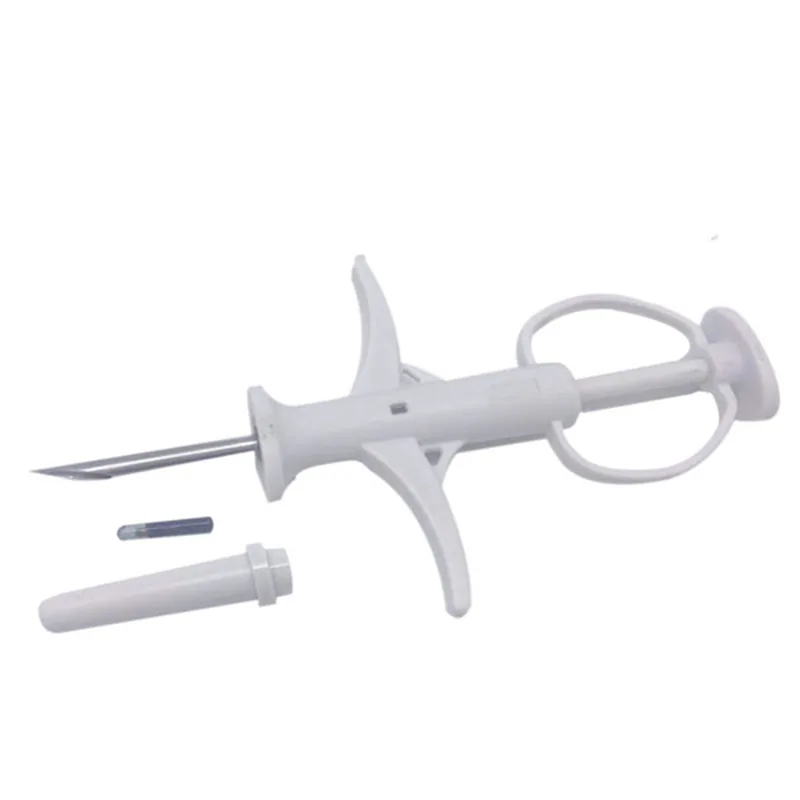
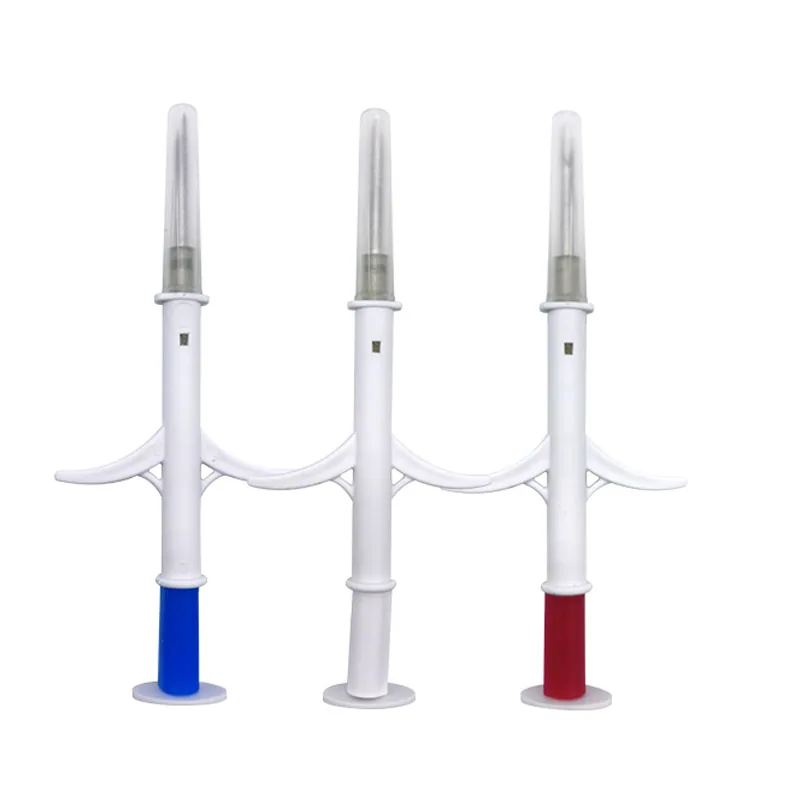
A reader only works with the frequency it was designed for. A 134.2 kHz reader cannot read a UHF tag, and a UHF reader cannot read an implanted pet microchip. Choose the frequency first, then buy tags and readers together to avoid mismatched equipment.