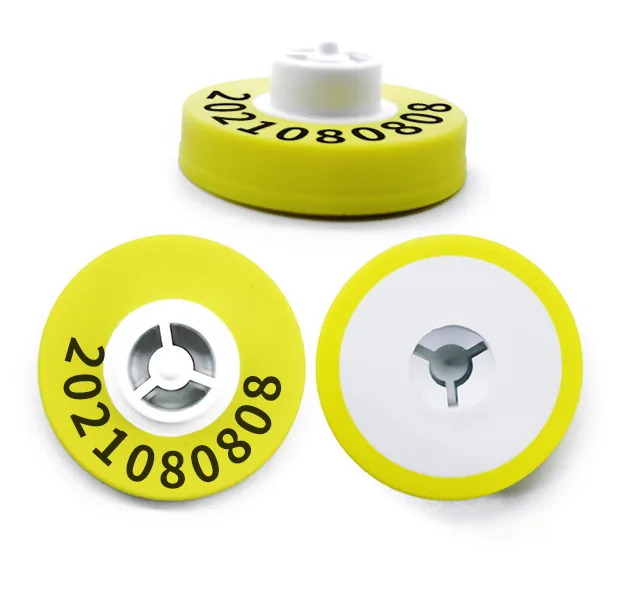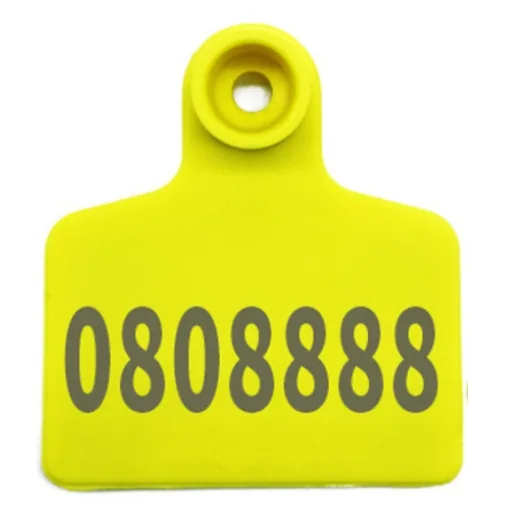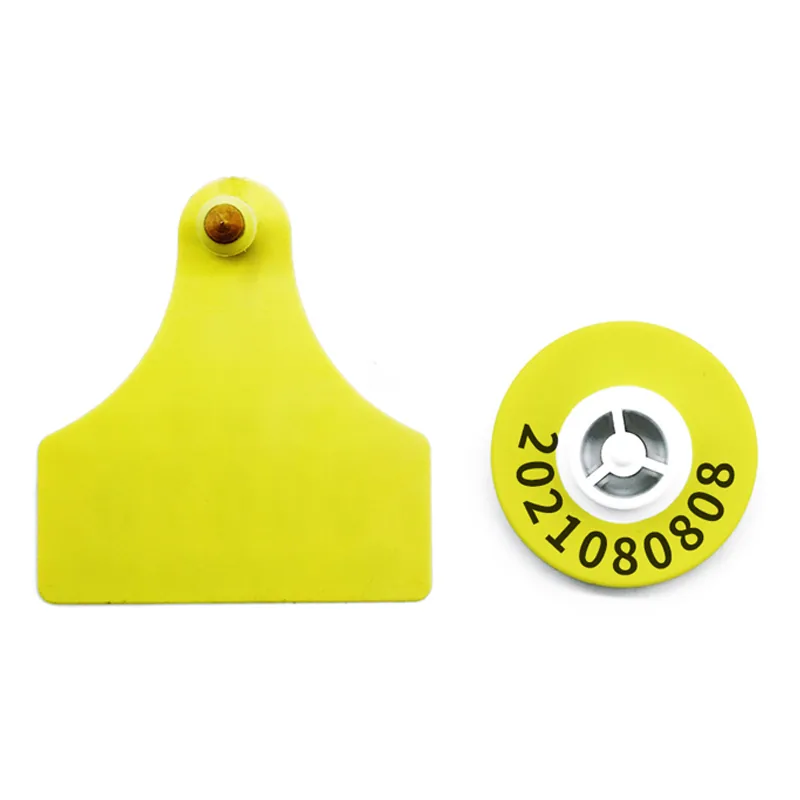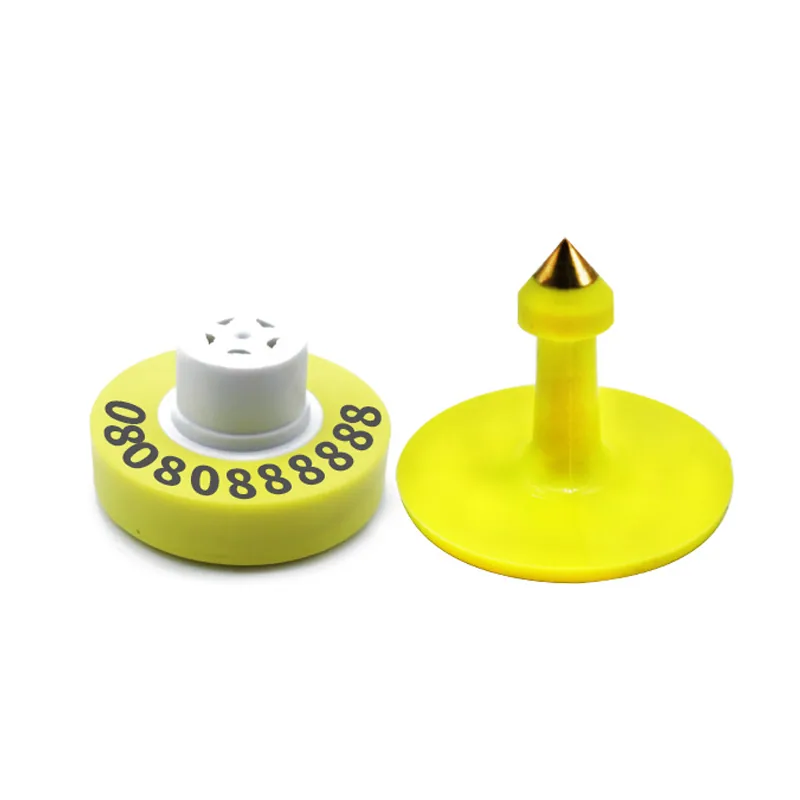
What RFID Tags Actually Do On A Farm
RFID tags provide a unique, tamper-resistant ID that survives years outdoors on livestock or pets. They are read automatically via radio signals without manual handling, enabling traceability, health monitoring, and movement tracking without stopping animals.
How Tags Read Without Touch
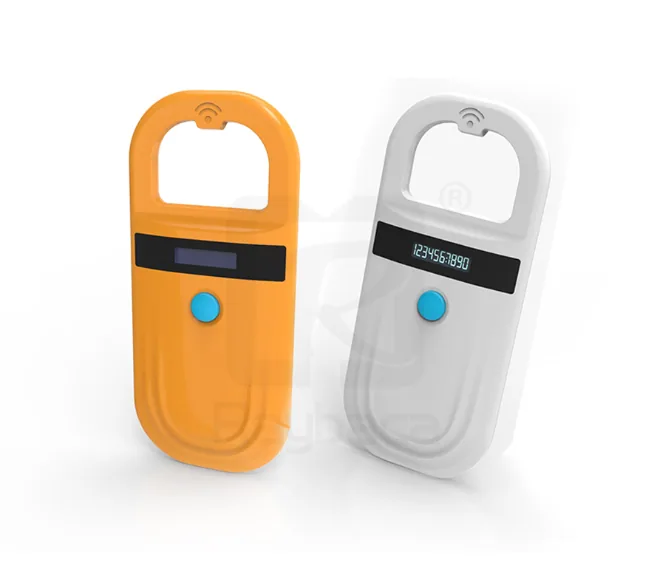
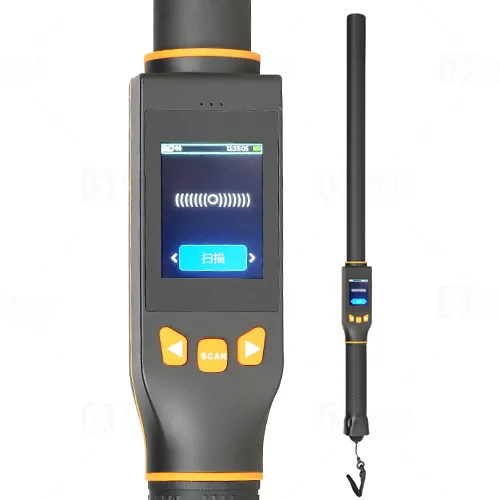
RFID tags respond to radio signals from a reader. Low frequency tags at 134.2 kHz work at close range, requiring the reader to be near the animal. Ultra high frequency tags at 860-960 MHz can be read from one to five metres away, allowing group reading at gates or loading ramps.
Why Tags Survive Harsh Conditions
Tags are built to resist water, dirt, heat, and chemical exposure. The TPU material used in ear tags comes from BASF or BAYER, providing durability. They are tested under high and low temperature conditions to ensure long-term performance in outdoor environments.
How Data Is Stored and Updated
Each tag holds a unique number that cannot be easily copied. The data can be encrypted and updated at any time. This allows for real-time tracking of animal health, breeding records, and movement history without replacing the tag.
When To Use One Tag Type Over Another
Low frequency tags are best for individual checks at clinics, vaccination points, or in chutes where close proximity is possible. UHF tags are used when reading multiple animals at once, such as at entry gates, weigh bridges, or loading areas.