How RFID Solves Animal Identification At Scale
Every animal needs a unique, tamper-resistant ID that survives outdoor conditions for years. RFID tags provide that by embedding a chip with a permanent serial number, readable by a handheld or fixed reader without line of sight. This replaces visual tags that fade or fall off, and manual record keeping that leads to errors.
The Data Flow From Tag To Management System
An RFID tag carries a unique ID. When scanned by a handheld or fixed reader, the ID is sent to a mobile terminal or central server. The system links the ID to animal data such as species, birth date, feeding history, vaccination records, and movement logs. This creates a full traceability trail from farm to slaughter.
What Happens When You Scan A Tag
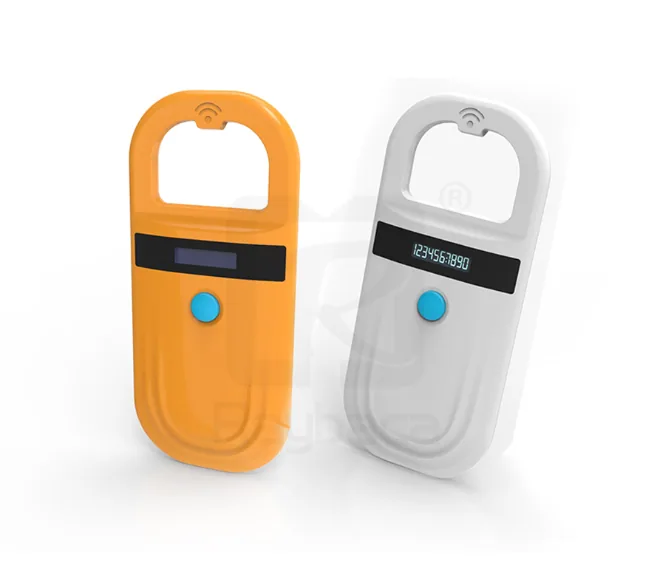
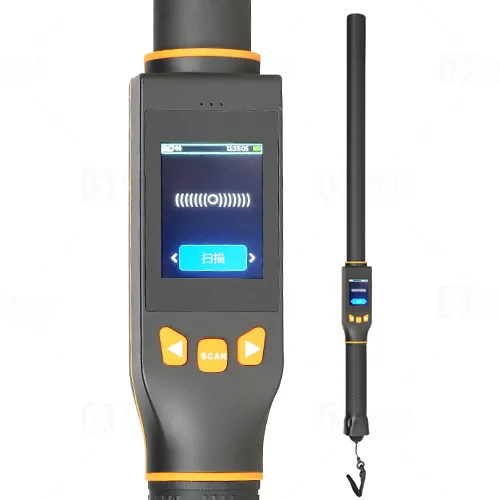
A reader sends a radio signal to the tag. The tag powers up using the signal's energy and replies with its ID. The reader captures the ID and passes it to a software system. The system checks the ID against a database and displays the animal's full history. This process takes less than a second and works without touching the animal.
Why The Tag Material Matters
Ear tags are made from TPU sourced from BASF or BAYER. This material resists UV degradation, moisture, and physical wear. It stays flexible in cold weather and does not crack. The material choice ensures the tag remains readable after three years on a cow's ear, even in wet or dusty conditions.
How Tags Survive Farm Life
Each tag undergoes tensile testing to ensure it won't snap under pressure. It is tested for readability at high and low temperatures. Full sample inspection checks for correct chip placement, legible printing, and proper adhesion. These steps ensure every tag works when it matters most.