Frequency Defines What a Reader Can Do
RFID scanners only read tags that operate at the same frequency. Low frequency (LF) works at 125 kHz, high frequency (HF) at 13.54 MHz, UHF at 850–910 MHz, and microwave at 2.45 GHz. A scanner built for one band will not read tags from another.
Why Frequency Matters in Animal Identification
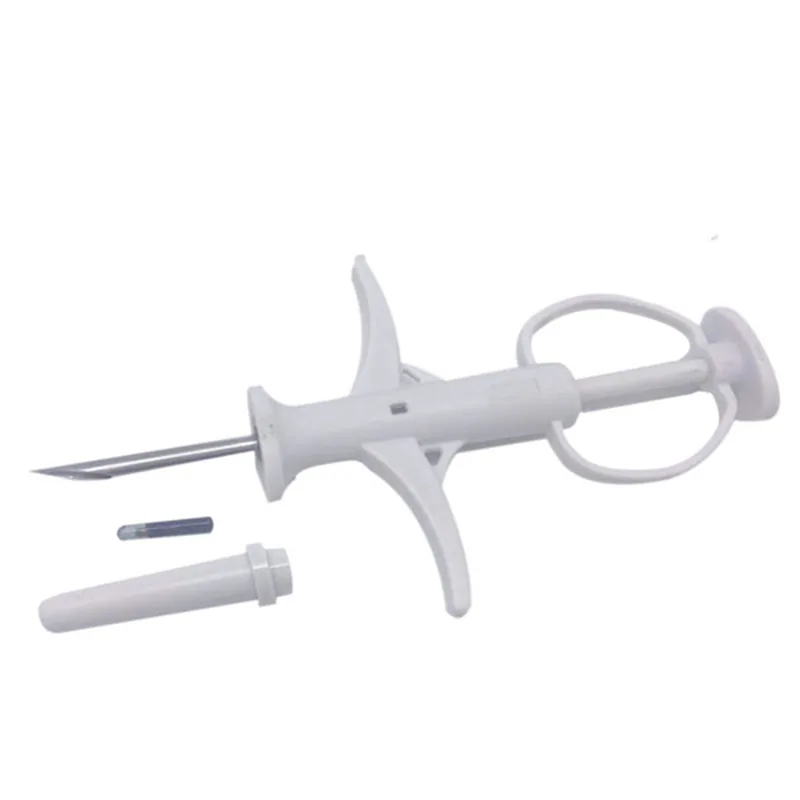
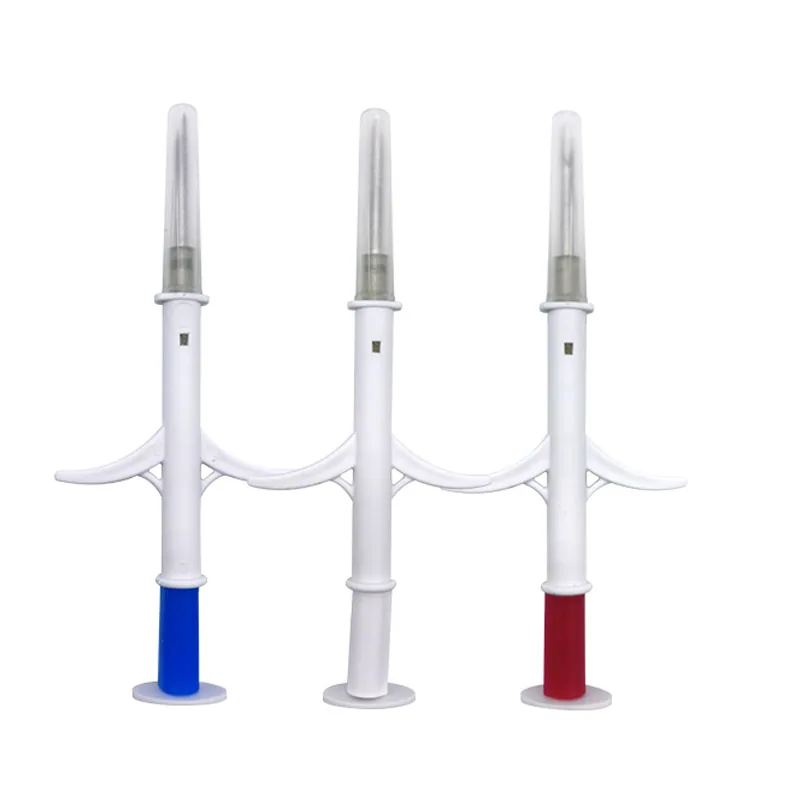
The right frequency matches the physical environment and workflow. LF tags penetrate water and tissue well, making them reliable in wet conditions or for implanted microchips. UHF offers longer range and faster reading, which is useful when scanning groups at gates or loading ramps.
Regional Differences in UHF Bands
UHF frequencies vary by region: 868 MHz in Europe, 915 MHz in the United States. Japan does not support UHF RFID due to regulatory limits. Readers must be set to the correct regional band to comply with local rules and avoid interference.
Reader Conflict and How to Avoid It
When multiple readers operate in the same area, signals can overlap and cause data conflicts. Using TDMA (Time Division Multiple Access) allows readers to take turns scanning, reducing interference. A system must be in place to prevent duplicate readings of the same tag.
Matching Reader to Tag Before Purchase
A reader only works with tags of the same frequency. A UHF reader cannot read an LF tag, and a 13.54 MHz HF reader cannot read a 2.45 GHz microwave tag. Always confirm frequency compatibility before buying both components.