What Frequency Actually Changes
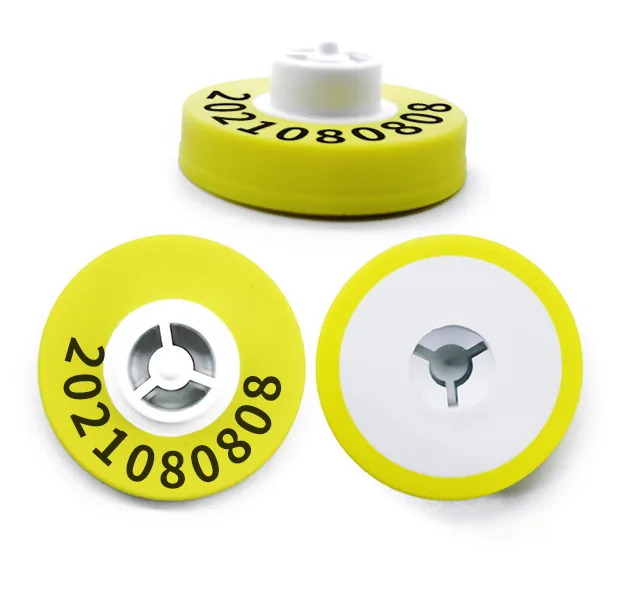
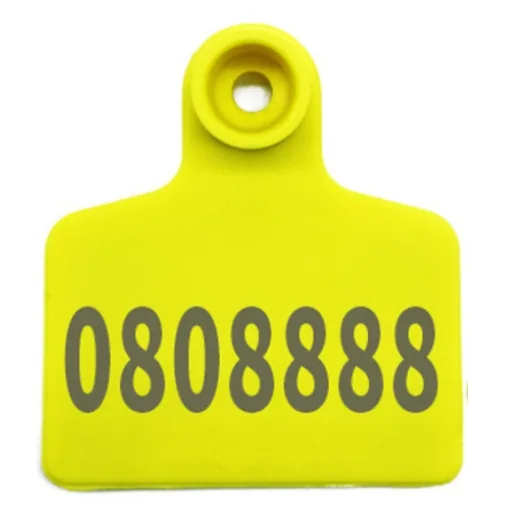
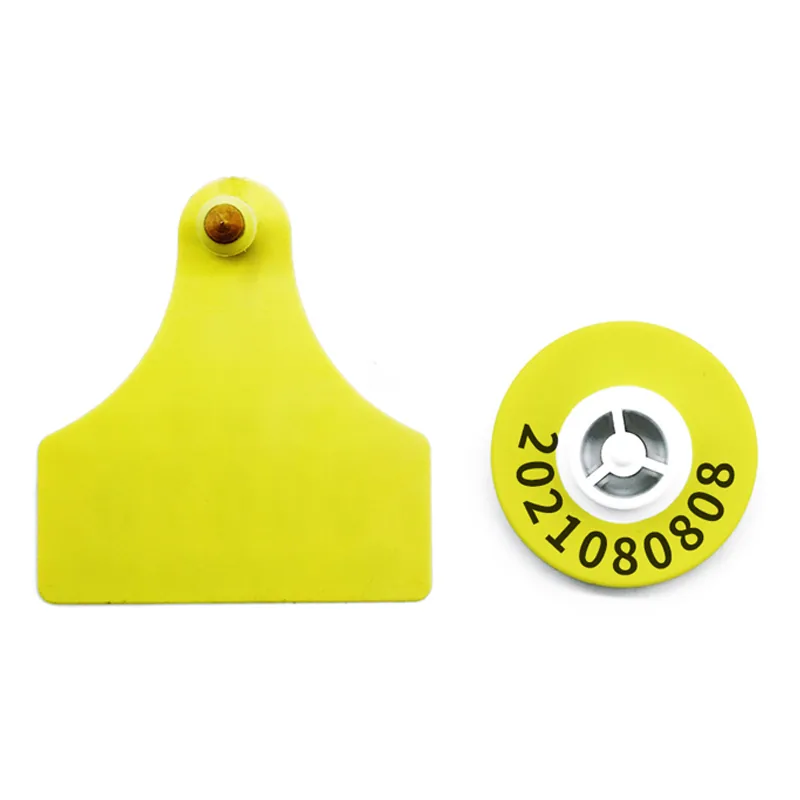
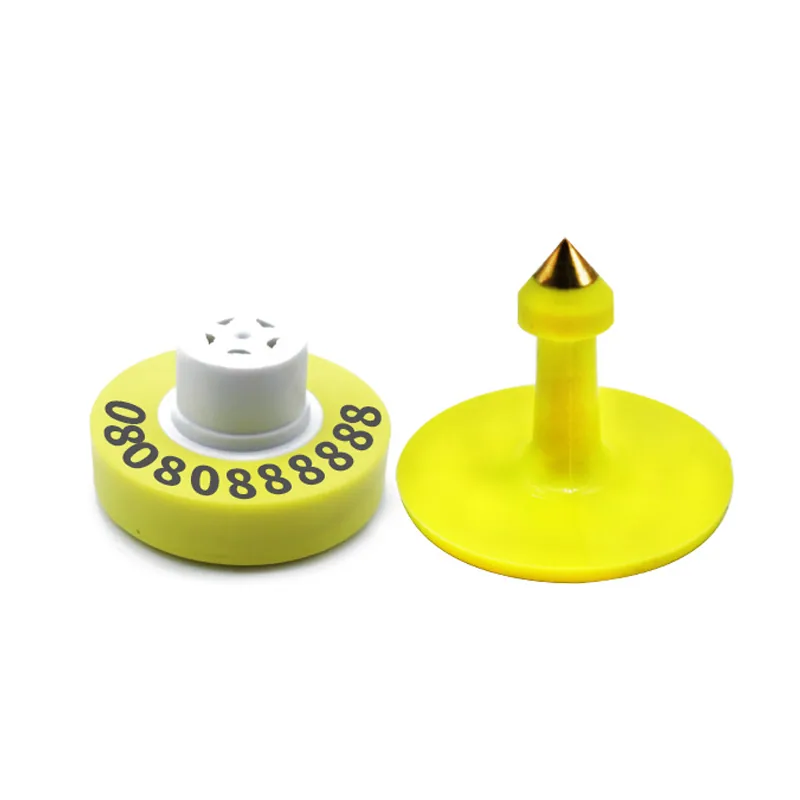
Frequency determines how the tag and reader communicate, which defines the required distance and handling method. Low frequency tags operate at 134.2 kHz under ISO 11784 and ISO 11785, requiring close proximity with a stick or handheld reader. Ultra high frequency tags operate in the 860-960 MHz band under ISO 18000-6C and can be read from one metre or more, enabling group reading at gates or loading ramps.
Where Low Frequency Wins
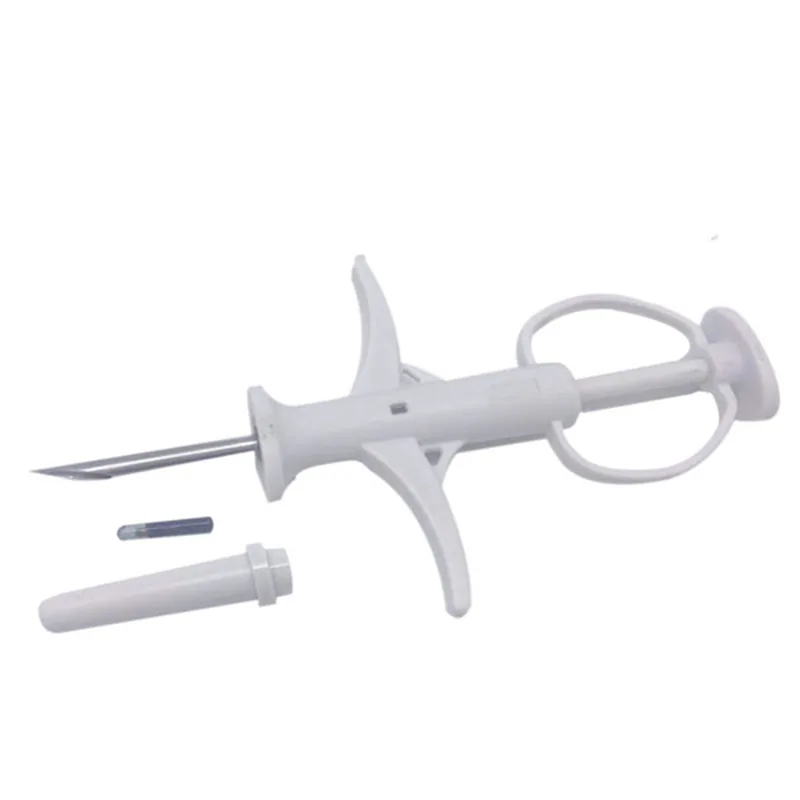
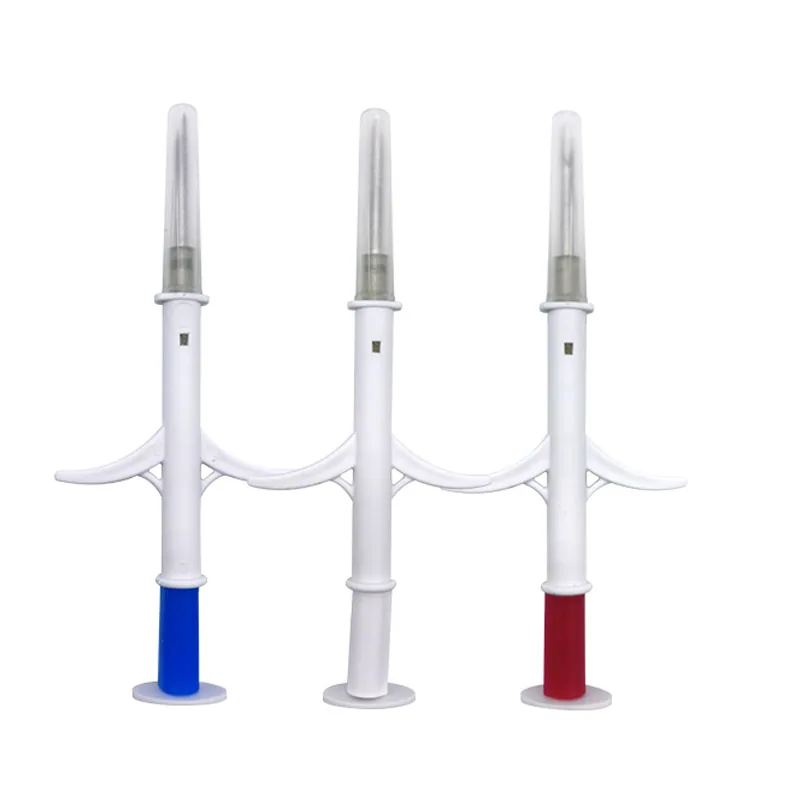
Low frequency signals are less affected by water, body tissue, and moisture. A wet ear, a muddy coat, or a hand-held reader close to the tag do not significantly reduce read reliability. This makes low frequency ideal for implanted pet microchips and official identification systems where every read must succeed on the first attempt.
Where UHF Wins
Ultra high frequency enables longer range and faster reading. A UHF reader can capture multiple animals as they pass through a gate, weigh crate, or loading ramp without individual handling. This reduces labour and handling time. The trade-off is increased sensitivity to water, metal, and dense animal groups, which can reduce read rates.
How To Choose For Your Own Yard
Start with where the read occurs. If handlers are already at arm’s length—chute, vaccination race, clinic—low frequency is sufficient. If reading must happen without handling, at a gate, ramp, or weigh station, UHF is required. Farms that do both often use UHF ear tags for movement events and keep a low frequency reader for individual checks.
Matching Tags To Readers Before You Buy
A reader only reads the frequency it was designed for. A 134.2 kHz stick reader cannot read a UHF ear tag, and a UHF handheld reader cannot read an implanted pet microchip. Choose the frequency first, then buy tags and readers together. A mixed fleet bought without matching frequencies often leaves one device unused.