What RFID Tags Actually Do Differently
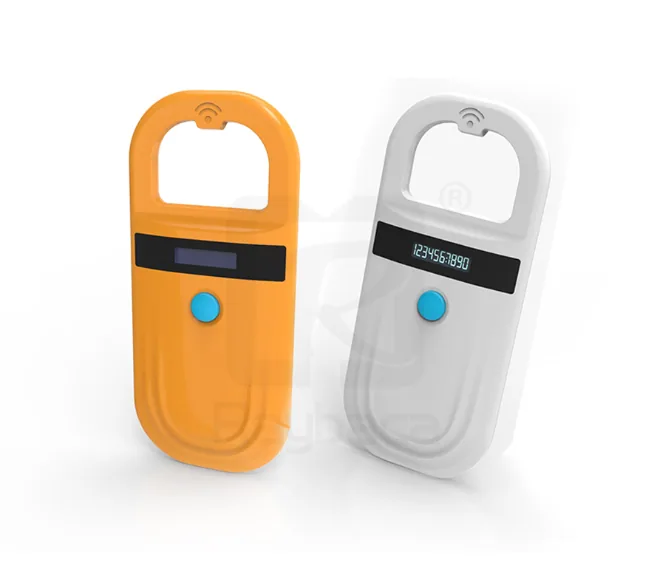
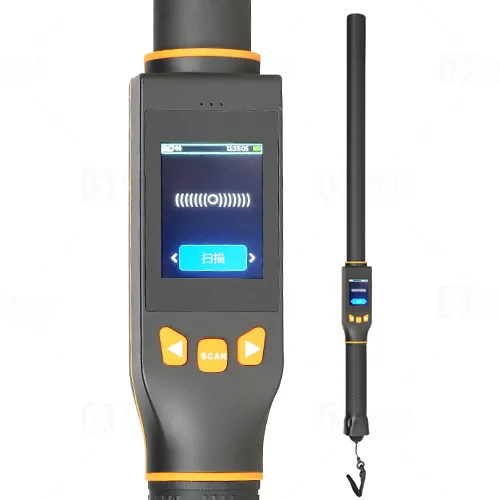
RFID tags carry a unique identifier that can be read without line of sight, unlike barcodes which require direct visual access. This allows reading at speed, in poor light, or through materials like plastic, wood, or animal tissue.
Why RFID Beats Barcodes in Animal Management
Barcodes need a scanner to see the label. RFID tags work even when buried under dirt, wet fur, or inside an animal's body. They do not need to be aligned with a reader, and they can be read in motion or in groups.
How RFID Handles Real-World Farm Conditions
RFID tags survive exposure to mud, water, and temperature extremes. The TPU material used in ear tags resists cracking and peeling. Tags are tested under high and low temperature conditions to ensure long-term reliability.
Memory and Security Built Into the Tag
Each RFID tag has a unique serial number stored in its memory. This number cannot be copied or altered. The data is secure and remains unchanged over time, which is essential for traceability and official records.
When to Choose RFID Over Barcodes
Use RFID when animals are handled in bulk, when visibility is poor, or when data must be captured without stopping the animal. Use barcodes only when the label is always visible and access is controlled.