What Animal Traceability Actually Needs
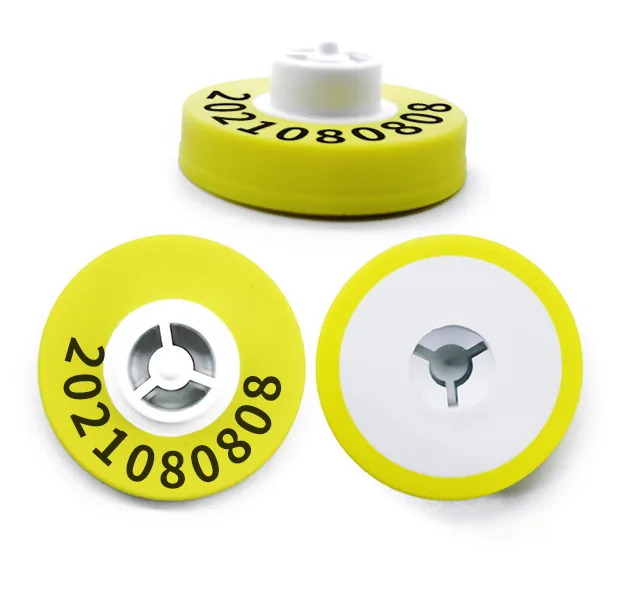
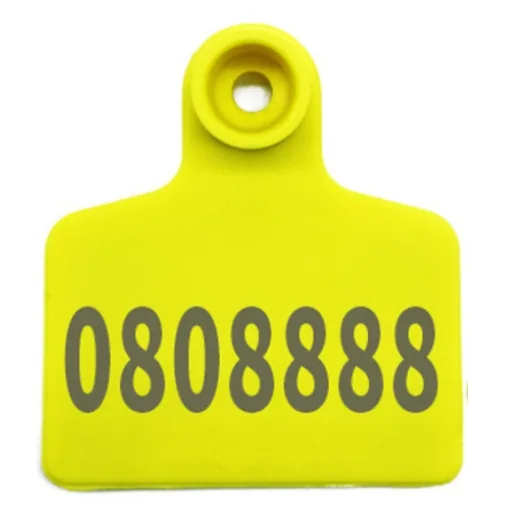
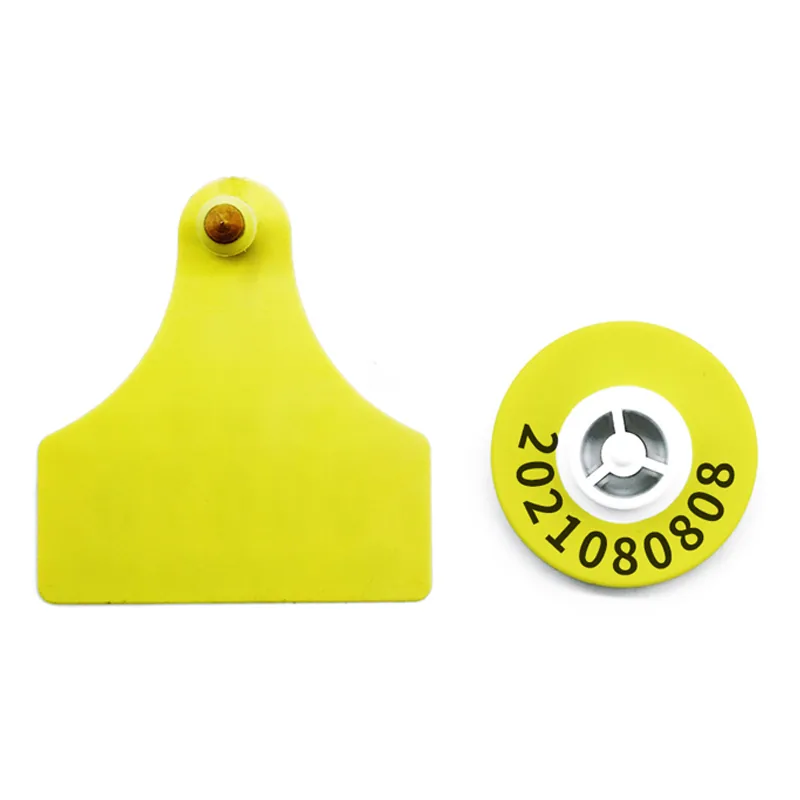
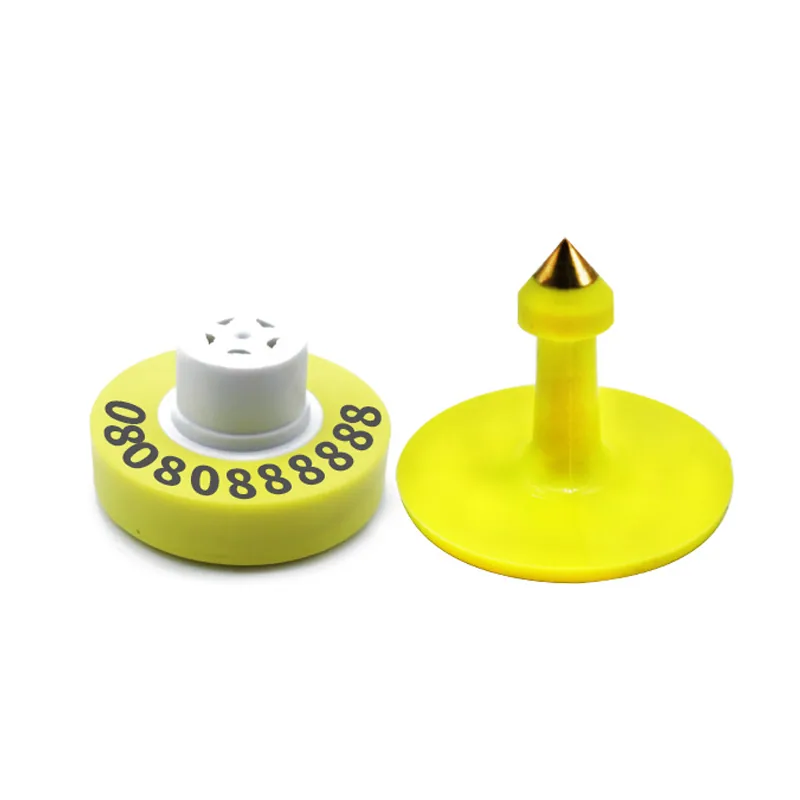
An animal traceability system must assign a unique, tamper-resistant ID to every animal that survives outdoor conditions for years, reads reliably at speed, and feeds clean data into a central record. RFID technology meets this by embedding a chip in a tag or implant that stores a serial number and responds to a reader's signal.
How RFID Tags Work in Practice
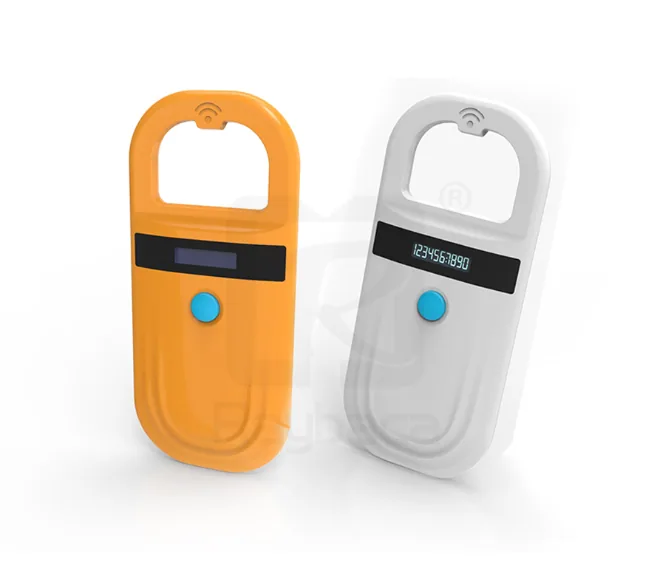
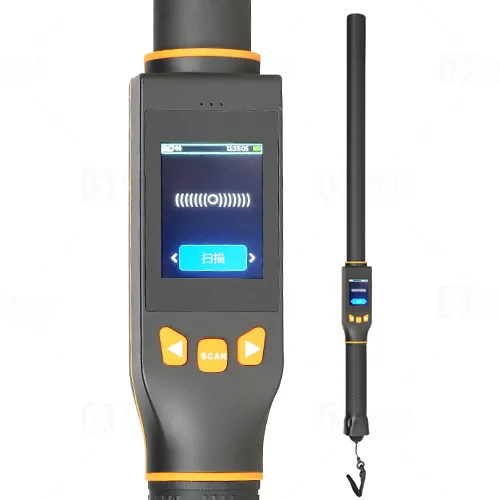
Low frequency tags at 134.2 kHz (LF) follow ISO 11784 and ISO 11785 standards and are read at close range, typically within 10 cm, using a stick or handheld reader. Ultra high frequency tags at 860-960 MHz (UHF) follow ISO 18000-6C and can be read from 1 to 5 metres, enabling group reading without handling.
Why Tag Material Matters for Longevity
Ear tags use TPU material sourced from BASF or BAYER, which resists UV degradation, moisture, and abrasion. This material choice ensures the tag remains readable after exposure to rain, mud, and repeated contact with fences or feeders.
How the System Handles Real-World Conditions
Tags are tested under extreme temperatures and tensile stress before shipment. The quality process includes preliminary assessment, machine readability checks, and full inspection of samples. This ensures that every batch performs consistently in the field.
How the System Integrates with Farm Operations
The system supports mobile access and provides interfaces for government, enterprise, and public data exchange. It enables tracking from farm to slaughter, supports disease monitoring, epidemic warnings, and decision-making through data analysis.