What The Tag Actually Does
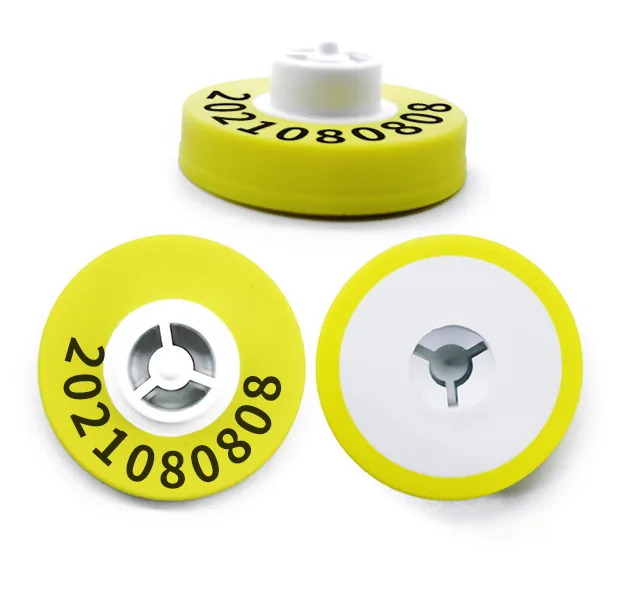
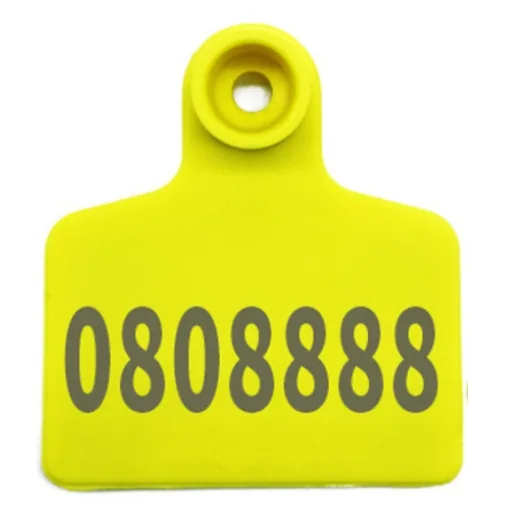
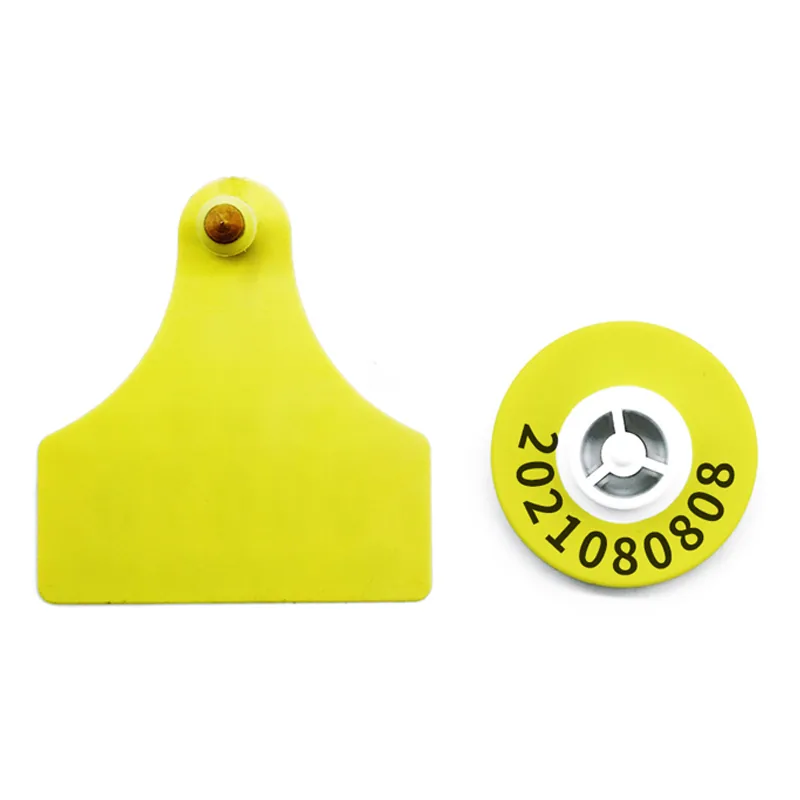
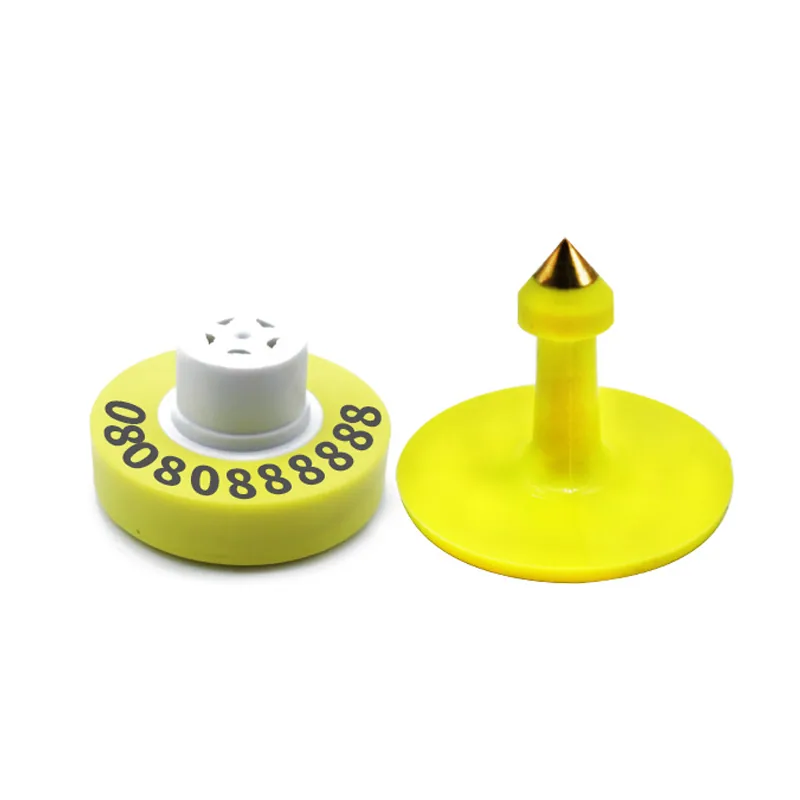
An RFID animal ear tag is an electronic ID that stores a unique number and responds when a reader sends a signal. It enables automatic identification without manual entry, reducing errors and speeding up tracking during handling, vaccination, or movement.
How It Works In The Field
When an animal passes near a reader, the tag activates and sends its ID back. This allows real-time data capture at chutes, gates, or loading ramps. The system records the ID, time, and location, which feeds into farm management software for breeding, health, or traceability records.
Why It Survives On A Bull's Ear
Tags are made from TPU material sourced from BASF or BAYER, which resists tearing, UV damage, and moisture. They are tested under high and low temperature conditions and must pass tensile strength tests before shipment to ensure they stay attached through three years of outdoor exposure.
What Frequency You Need
Low frequency tags operate at 134.2 kHz under ISO 11784 and ISO 11785 and are read at close range. Ultra high frequency tags operate at 860-960 MHz under ISO 18000-6C and can be read from one to five metres. Choose based on whether you need individual checks or group capture at a gate.
Matching Tags To Readers Before You Buy
A reader only works with its matching frequency. A 134.2 kHz reader cannot read a UHF tag, and a UHF reader cannot read an implanted pet microchip. Confirm the frequency and format (FDX-B or HDX) before placing any order to avoid mismatched equipment.