What The Chip Actually Does
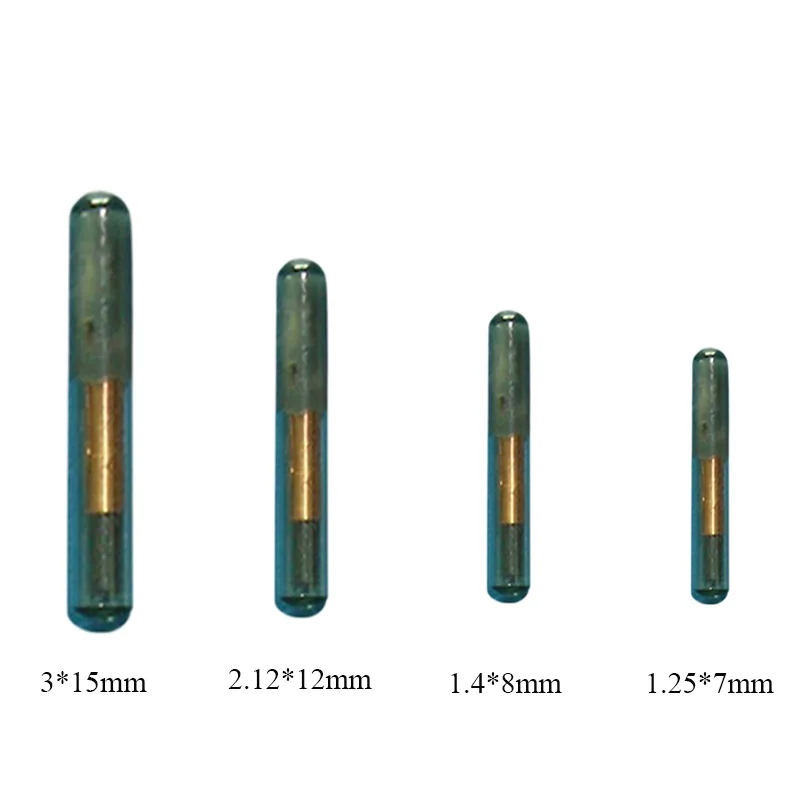
Implantable pet microchips store a unique ID that survives the animal's lifetime. They are read by a scanner at 134.2 kHz, which matches ISO 11784 and ISO 11785 standards. The ID links to a database with pet details like birth, vaccination history, owner contact, and breeding records.
How The Implantation Works
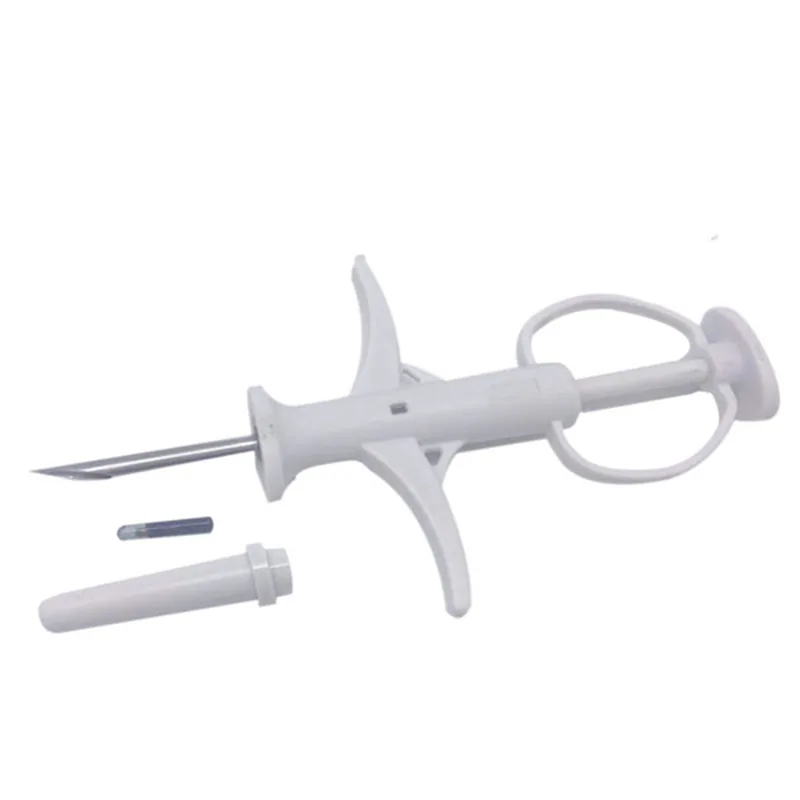
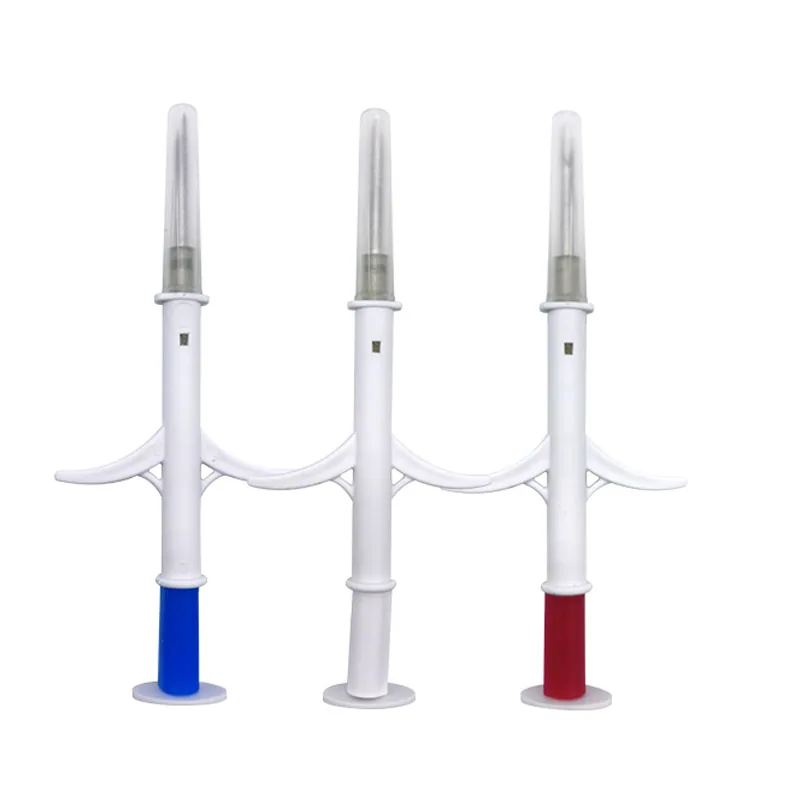
The microchip is delivered via a pre-loaded syringe. It is injected under the skin, typically between the shoulder blades. The procedure takes seconds and requires no anesthesia. Once in place, the chip is held by a biofilm that prevents migration and supports tissue integration.
Why The Biofilm Matters
The biofilm coating ensures the chip stays in position. It reduces tissue reaction and acts as a barrier against infection. This coating is tested for biocompatibility and is designed to remain stable over the pet's life.
How Scanning Works
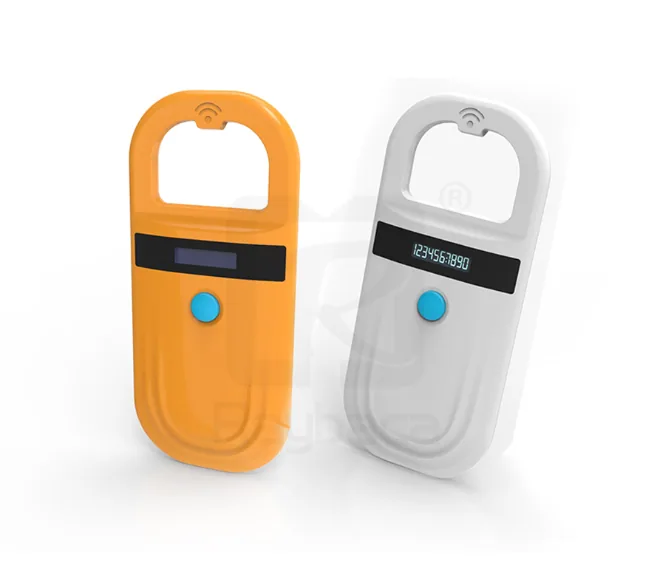
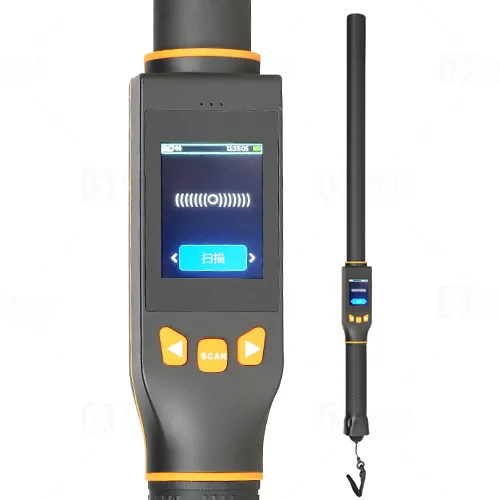
A handheld scanner like the RBC-RT02 or RBC-S5100 sends a low frequency signal to activate the chip. The chip responds with its ID, which the scanner displays. The process is non-invasive and works even if the chip is deep under skin or covered by fur.
Where This Is Used
Veterinary clinics use microchips for identification during checkups, vaccinations, and emergency treatment. Shelters scan incoming animals to reunite them with owners. National pet registries use the data for tracking, quarantine, and disease control.