Why Animal Species Matter For Ear Tag Choice
Cattle, sheep, goats and pigs each have different ear shapes, skin thickness and movement patterns. A tag that stays on a bull’s ear may fall off a lamb’s. The tag must survive three years outdoors, resist tearing from rubbing, and remain readable after exposure to mud, rain and sun.
Visual Ear Tags For Quick Identification
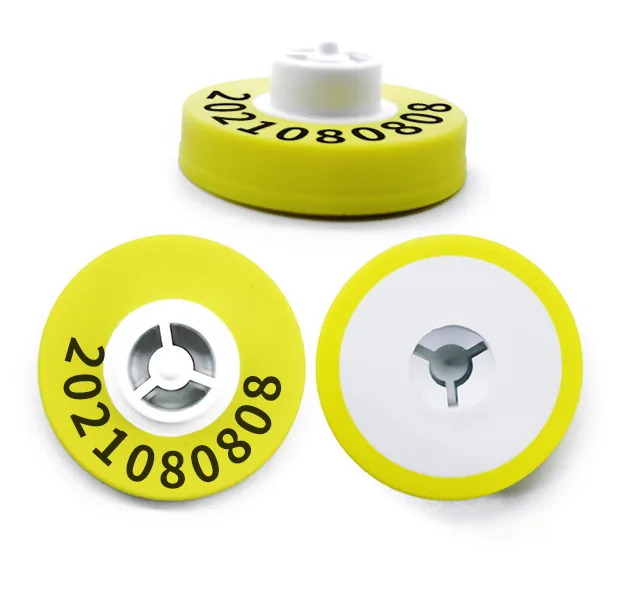
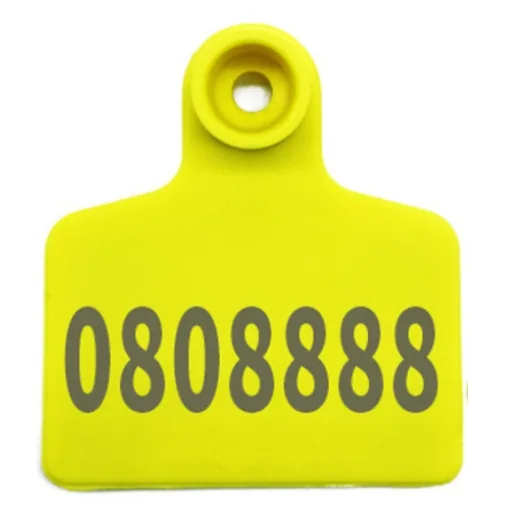
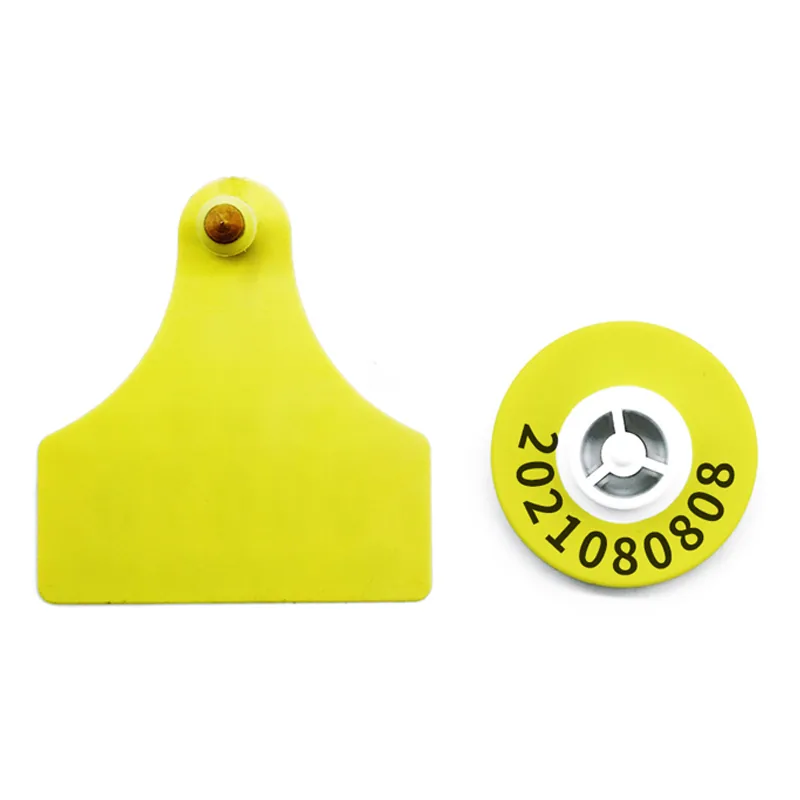
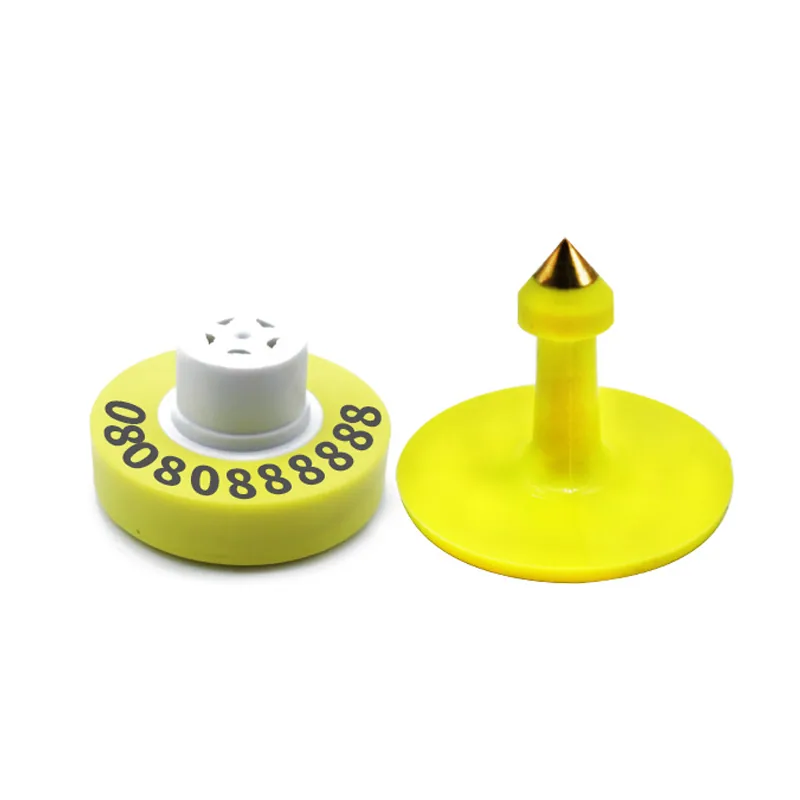
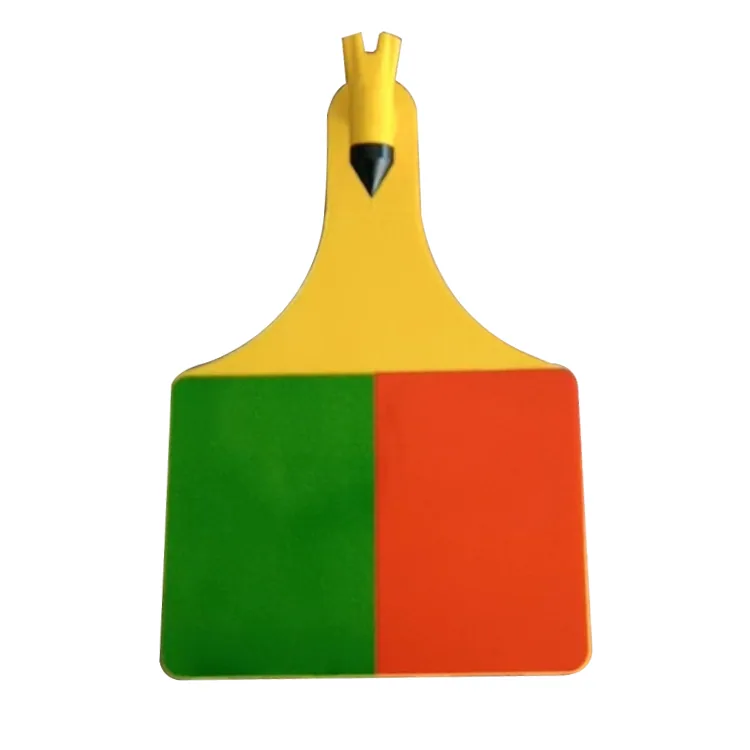
Visual ear tags have no chip, only a laser-printed ID number. They are read by eye and used for basic farm management. They are suitable for pig, cattle and sheep farms where quick visual checks are needed. Customization includes ID, color, material and logo. They are not tamper-resistant and do not support automated tracking.
LF Ear Tags For Official Identification
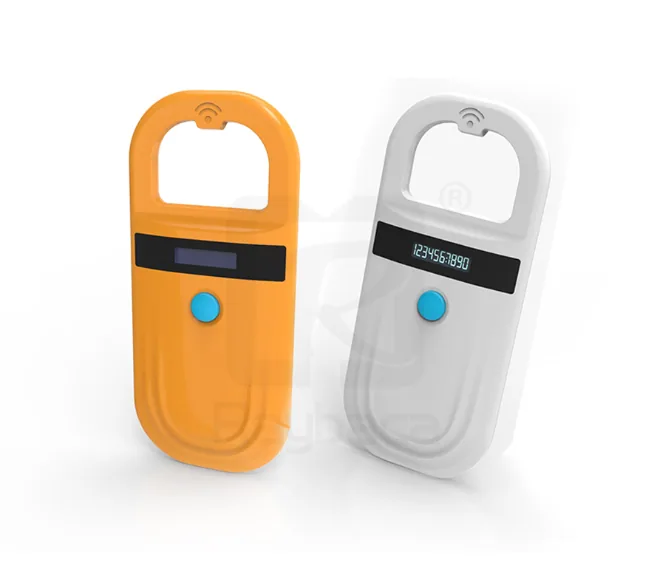
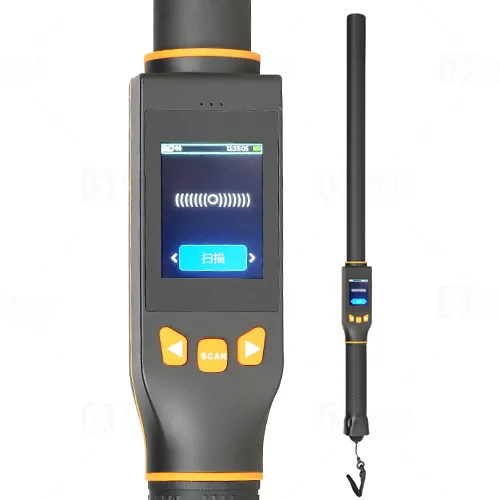
Low frequency ear tags operate at 134.2 kHz under ISO 11784 and ISO 11785. They are read at close range with a stick or handheld reader. They are less affected by water and body tissue, making them reliable for official identification schemes. They are used for cattle, sheep and pigs in traceability programmes and vaccination records.
UHF Ear Tags For Group Reading
Ultra high frequency ear tags operate in the 860-960 MHz band under ISO 18000-6C. They can be read from 1 to 5 metres, allowing automatic capture of multiple animals at gates, loading ramps or weigh crates. They are used where speed and distance matter, but performance drops in wet conditions or when animals are packed tightly against metal.
Matching Tag Type To Your Farm Process
If your workflow involves handling animals at close range—vaccination, individual checks or clinic visits—LF tags are the most reliable. If you need to count or track animals without handling them—such as at a gate or in a truck—UHF tags are required. Farms that do both often use UHF for movement events and LF for individual verification.
Tamper Resistance And Long Term Retention
All official ear tags must be tamper-resistant and have a high retention rate. The TPU material used in Raybaca tags is sourced from BASF or BAYER. The quality process includes tensile testing, machine readability checks, and high and low temperature testing to ensure tags survive outdoor conditions for years.