What Frequency Actually Changes
Frequency determines how the tag and reader communicate, which directly affects reading distance and environment performance. Low frequency tags operate at 134.2 kHz using inductive coupling, read within 10 cm, and are used in animal husbandry under ISO 11784 and ISO 11785. High frequency tags at 13.56 MHz also use inductive coupling, read up to 1 m, and follow ISO/IEC18000-3. Ultra high frequency tags at 860-960 MHz use electromagnetic wave coupling, read up to 10 m, and comply with ISO/IEC18000-6C.
Where Low Frequency Wins
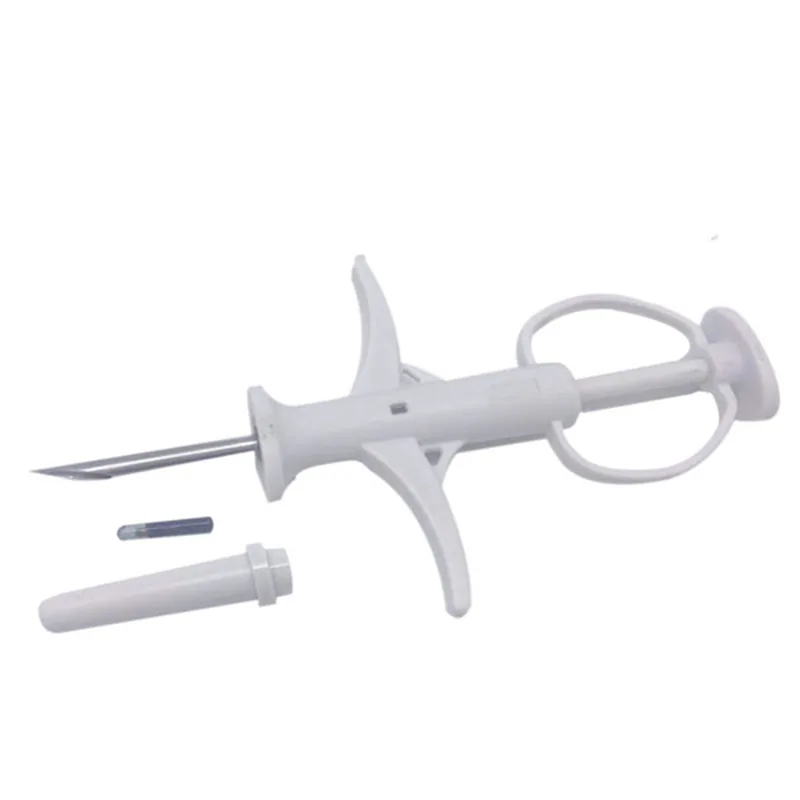
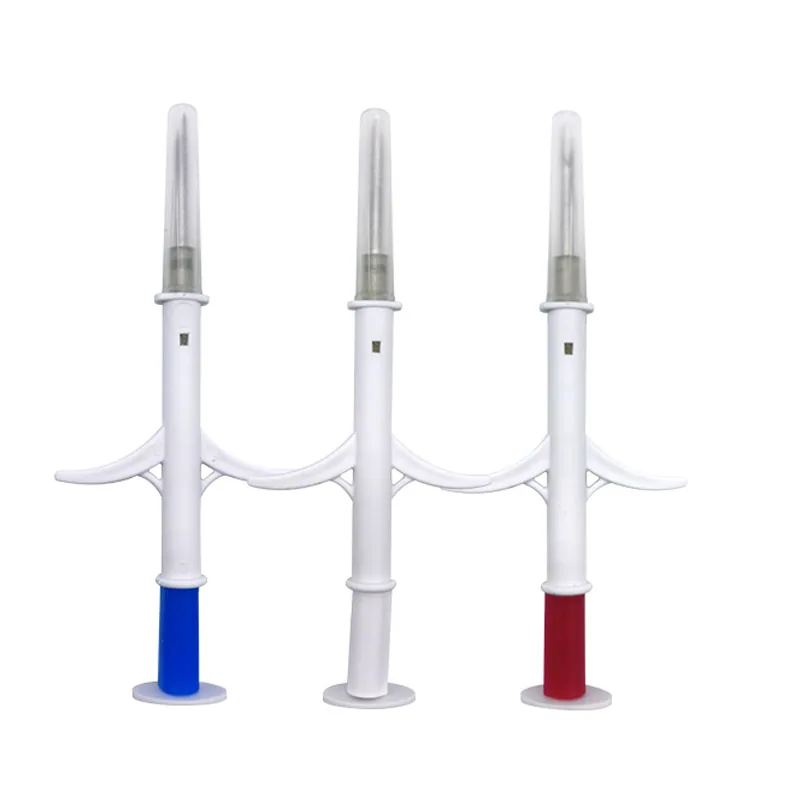
Low frequency signals are less affected by water, metal, and body tissue. This makes LF tags reliable in wet or muddy conditions and ideal for implanted pet microchips and official identification systems where every read must succeed at close range.
Where High Frequency Fits
High frequency tags at 13.56 MHz offer moderate read distance and are used in applications like smart shelves and payment systems. They are not standard for livestock identification but may be used in controlled environments such as veterinary clinics or pet management systems.
Where UHF Wins
Ultra high frequency tags enable long-range reading up to 10 m, making them suitable for automatic animal counting at gates, loading ramps, or in supply chain tracking. They support group reading and are used in logistics and farm movement monitoring, though performance drops near metal or in dense animal groups.
How To Choose For Your Own Yard
Start with the reading environment. If the reader is held close to the animal, such as during vaccination or individual checks, LF is the most reliable. If reading happens without handling, such as at a gate or weigh station, UHF is required. HF is not used in livestock identification but may be used in pet clinics for non-implant applications.
Matching Tags To Readers Before You Buy
A reader only works with its designated frequency. A 134.2 kHz LF reader cannot read a UHF tag, and a UHF reader cannot read an implanted pet microchip. Confirm the frequency before ordering tags and readers together to avoid mismatched equipment.