
What The Law Requires For Pets In Japan
Starting June 1, 2022, Japan’s revised Animal Protection Management Law requires that all cats and dogs sold by breeders and pet stores must be implanted with a microchip. The chip must be 2 mm in diameter and about 1 cm in length, storing a 15-digit identification number. This number links to a government database containing the pet’s ID, business name, name, gender, breed, color, and owner details.
How The System Works In Practice
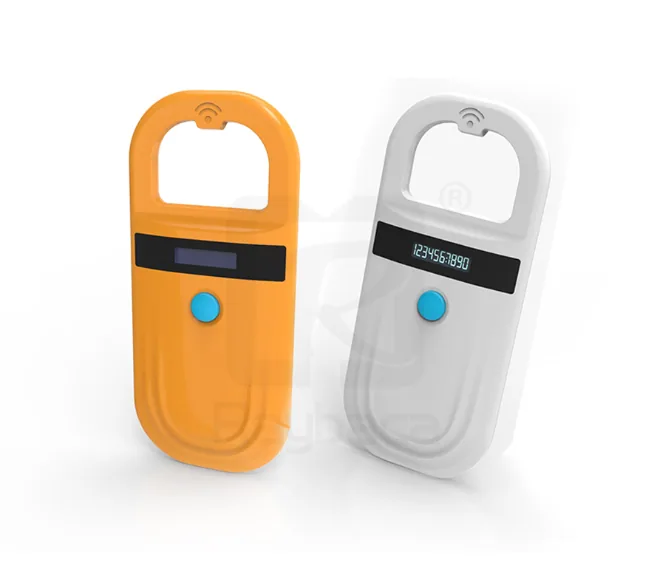
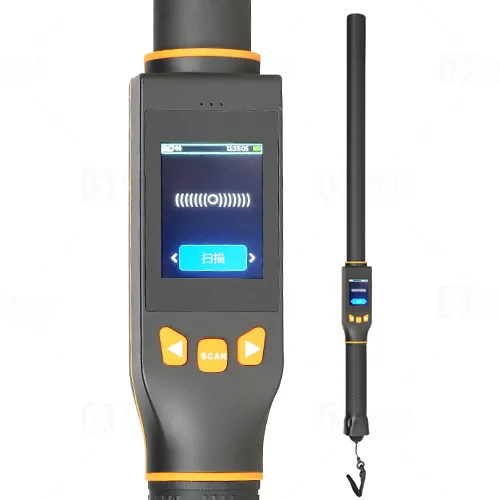
When a pet is lost or found, authorities scan the microchip to retrieve the 15-digit ID. They then cross-check this ID against the national database to locate the owner. The owner must register their name, address, and phone number within 30 days of purchase. This system helps reunite pets after disasters and reduces irresponsible abandonment.
Why The Chip Must Be Reliable
The microchip must survive implantation, remain readable for years, and resist migration inside the animal. It must be compatible with standard ISO 11784 and ISO 11785 low frequency readers. A failed read means no data, no recovery, and no compliance with the law.
Raybaca Microchips And Syringes For Compliance
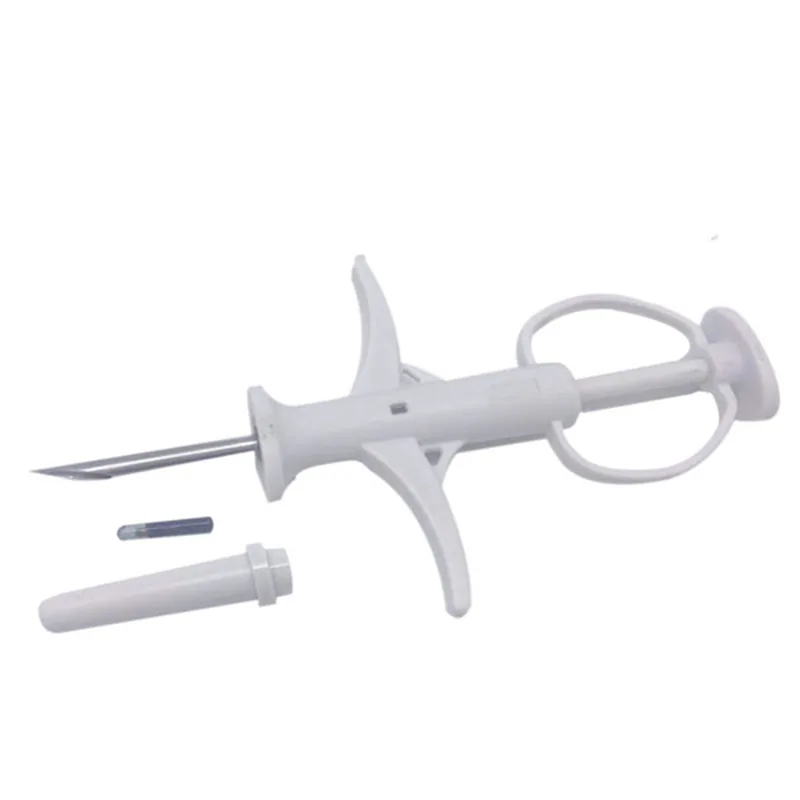
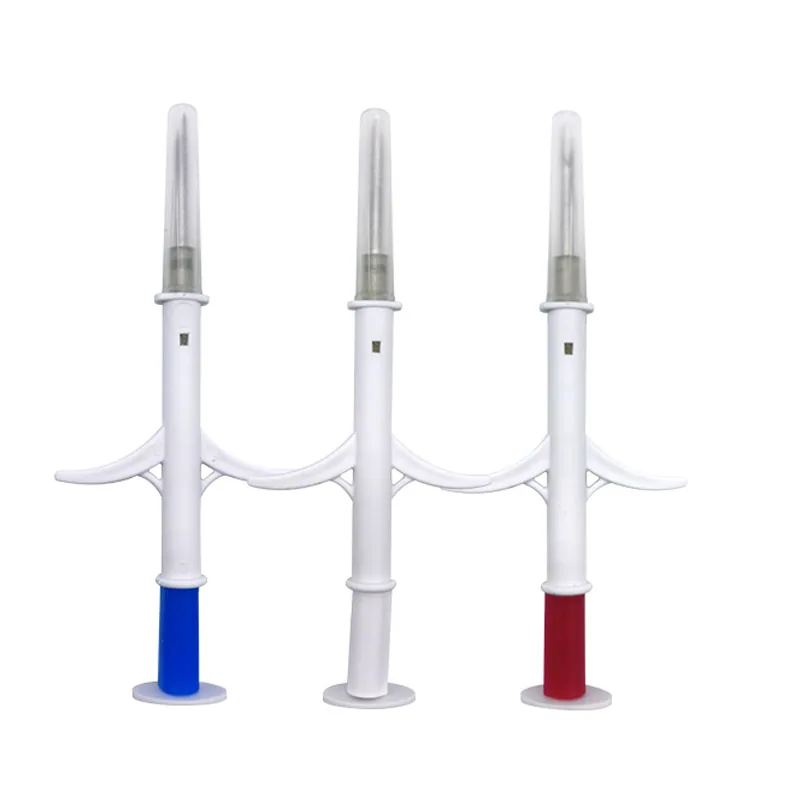
Raybaca RBC-Z00 and RBC-Z05 microchips are designed to meet the Japanese law’s requirements. They are implantable, 134.2 kHz low frequency chips compliant with ISO 11784 and ISO 11785. The pre-loaded syringes ensure consistent delivery and reduce handling errors during implantation.
Matching Chip To Reader And Syringe
A 134.2 kHz reader is required to read the chip. The syringe must be compatible with the chip’s size and shape. Using a mismatched syringe risks damaging the chip or failing to implant it correctly. Always confirm that the syringe and chip are designed to work together.