Why Animal Identification Is Not Optional
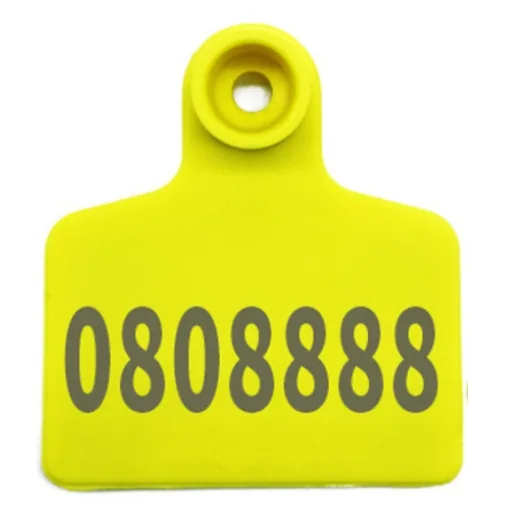
Without a unique, tamper-resistant ID, every animal is a data gap. Breeding records are incomplete, disease outbreaks spread undetected, and product safety cannot be verified. RFID tags provide a permanent digital record for each animal, starting from birth.
How RFID Tags Survive Farm Conditions
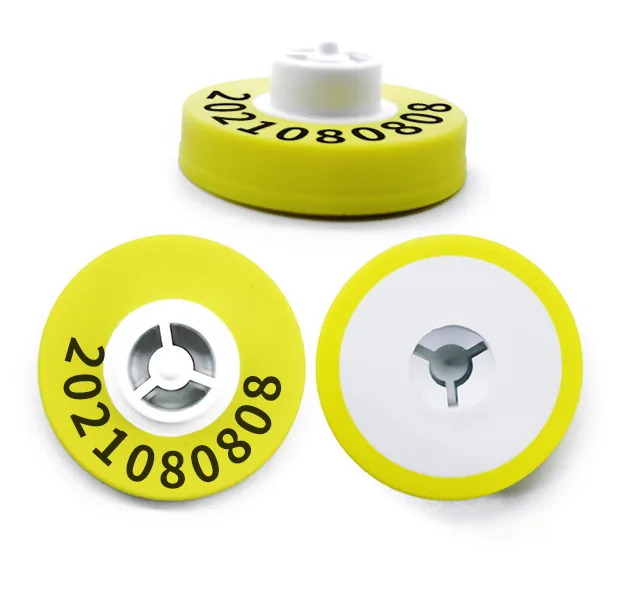
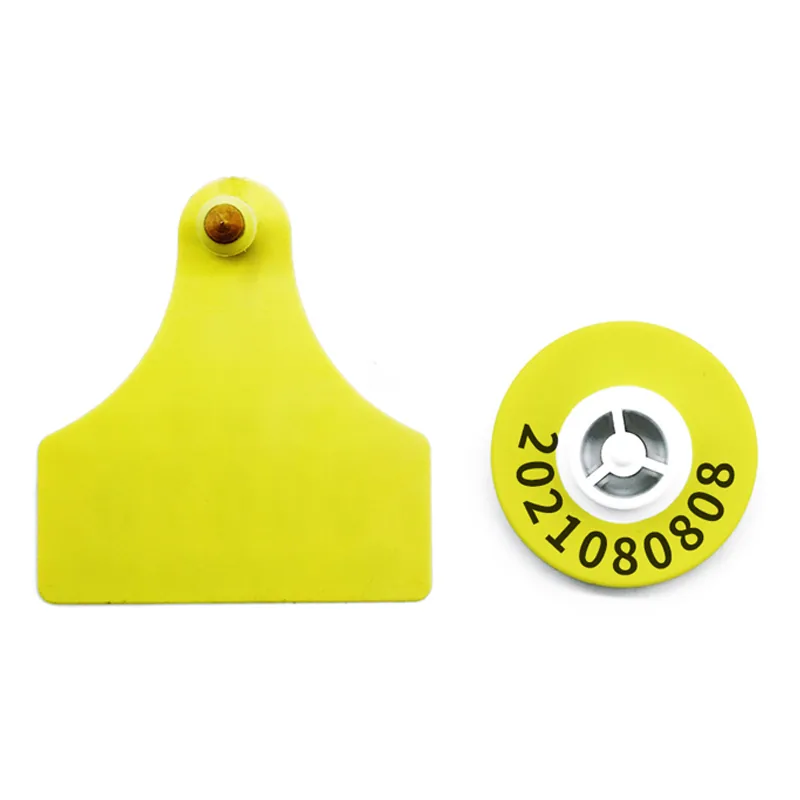
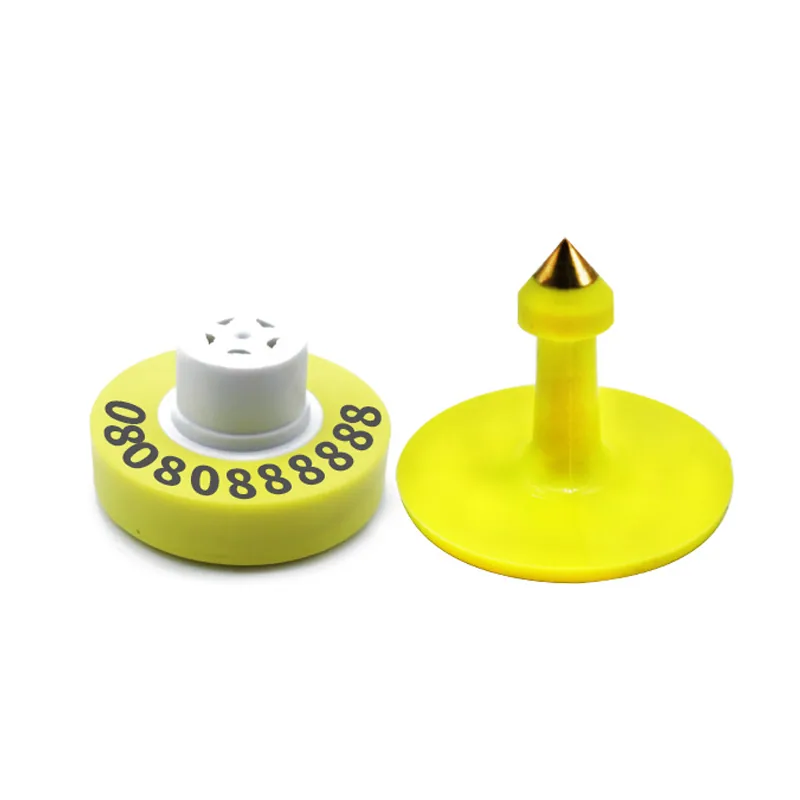
Raybaca ear tags use TPU material sourced from BASF or BAYER, designed to resist biting, tearing, and weathering. The secondary injection molding shell protects the chip and antenna. Tags are tested under high and low temperature conditions to ensure long-term reliability.
What the Reading Job Actually Requires
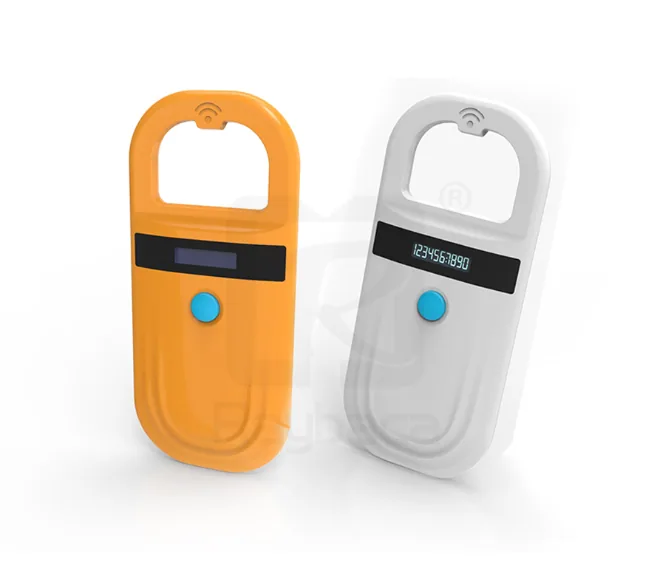
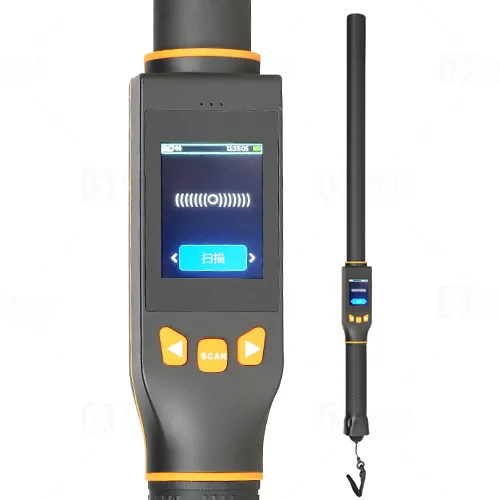
A tag must be readable at the point of interaction. Low frequency (LF) tags at 134.2 kHz are read at close range, ideal for individual checks at a chute or clinic. Ultra high frequency (UHF) tags at 860-960 MHz can be read from 1 to 5 metres, enabling group reading at gates, loading ramps, or weigh crates.
How to Avoid Data Gaps in Your Herd
One animal, one tag. Each tag carries a unique ID that is linked to a digital file. When read by a compatible reader, the data is updated in real time. This eliminates manual entry errors and ensures every animal’s history is traceable.
What the System Actually Delivers
RFID technology enables digital, fine management of livestock. It reduces manual work, speeds up data access, supports real-time monitoring, and allows data sharing across farms, veterinary teams, and traceability programmes.