What A Barcode Label Actually Does
A barcode label uses black bars and white spaces of varying widths to encode data. A scanner reads the pattern by converting reflected light into an electrical signal, then decodes it using a set of rules. Once printed, the data cannot be changed.
Where Barcodes Work Well
Barcodes are low cost and widely supported. Most machines have built-in barcode reading capability, making them easy to integrate into existing systems for simple tracking tasks like inventory or shipping.
Where Barcodes Fail On Farm or In Logistics
Barcodes require a clear, undamaged surface. Water, mud, frost, scratches or dirt on the label stop the scan. They do not survive outdoor conditions or repeated handling on livestock or equipment.
The Real Limitation: One-Time Read Only
Each barcode can only be read once per scan cycle. Scanning a group of animals requires individual handling and positioning. There is no way to read multiple barcodes at once without stopping and repositioning.
Why RFID Is Better For Animal Tracking
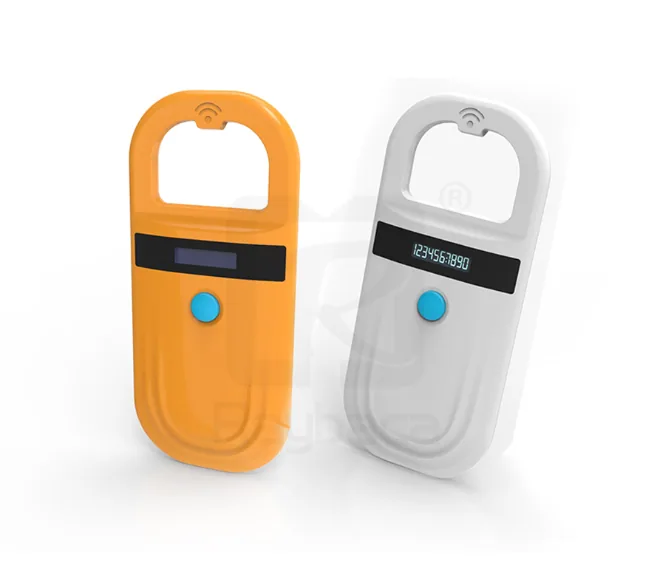
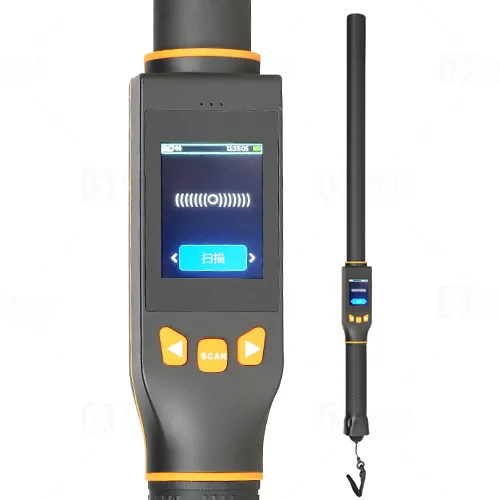
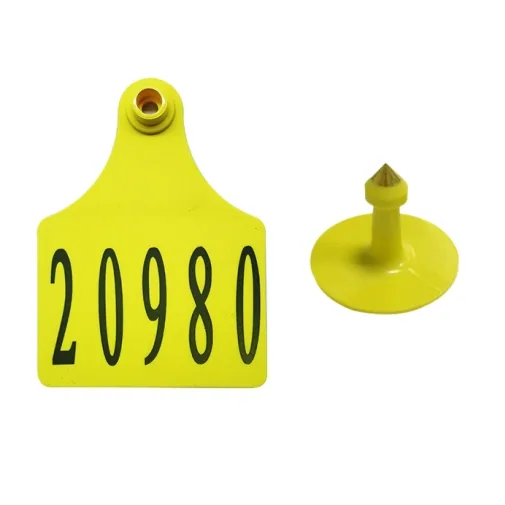
RFID tags do not rely on line-of-sight or surface condition. They can be read through dirt, water, and even inside the animal. They support batch reading, so a group of animals can be identified in a single pass without stopping.