Non Contact Reading At Scale
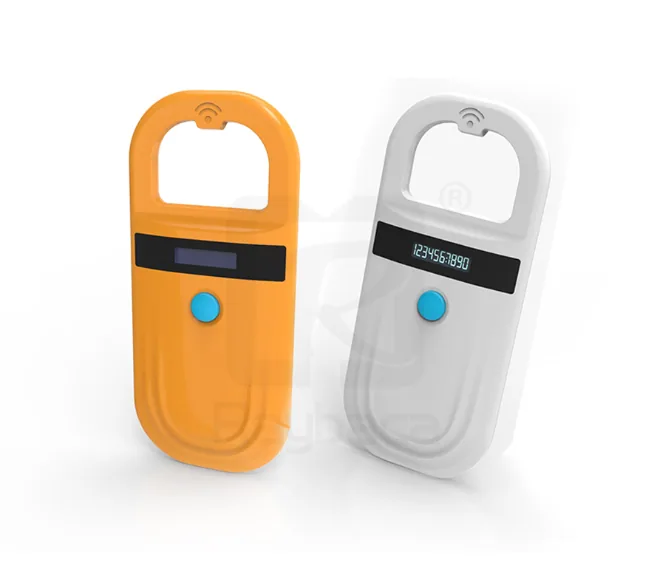
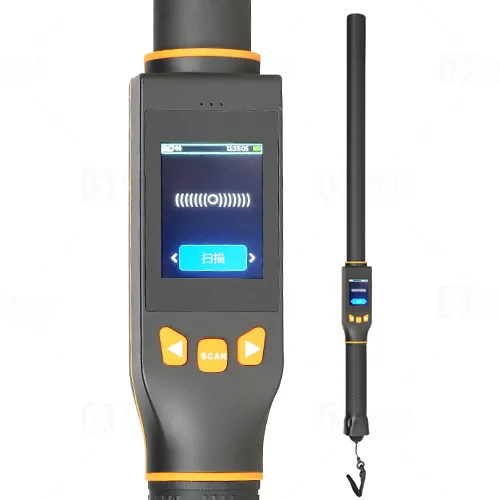
RFID technology reads animal IDs without touching the tag. A handheld or fixed reader captures data from a distance, which means animals can be identified during movement, at gates, or in pens without handling. This reduces labour and stress on the animals.
Data Collection That Survives The Farm Cycle
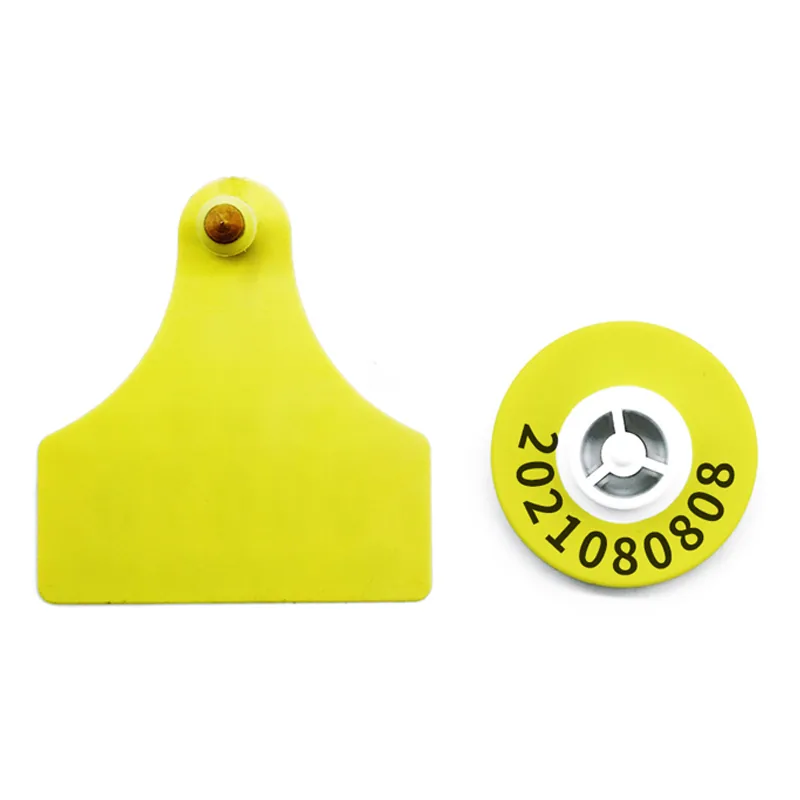
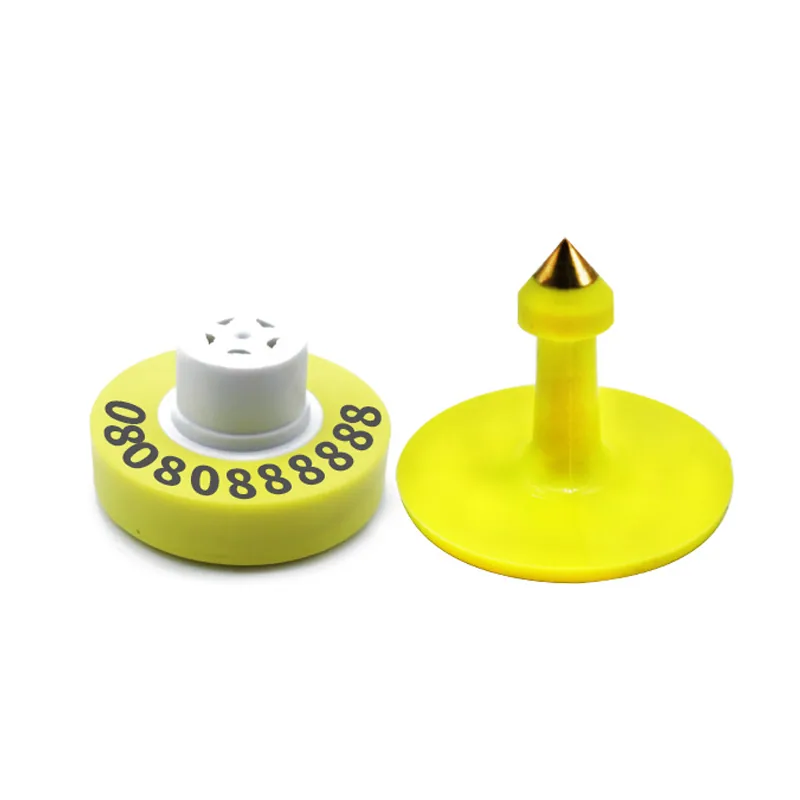
Tags are placed in the ear or implanted in the body. They store a unique number that does not change. The data is collected at each stage of the animal’s life — birth, vaccination, movement, breeding, and slaughter — and stored in a digital record.
Waterproof And Body Penetrating
Low frequency tags operate at 134.2 kHz and can pass through water and animal tissue. This means they work reliably even when the animal is wet, muddy, or in a high humidity environment. The tag remains readable under harsh outdoor conditions.
Tamper Resistant Unique Identification
Each tag has a unique number assigned at manufacture. It cannot be duplicated or altered. This ensures that every animal in the herd has a verified identity that supports traceability and compliance with health and safety standards.
Integration With Farm Management Software
RFID data is not just captured — it is used. When paired with software, the system tracks the animal’s entire life cycle. This includes health records, vaccination history, feed intake, and movement between farms or to slaughter. The data supports decision making and audit readiness.