Batch Group Reading For Inventory
RFID readers capture multiple tags at once using anti-collision technology. Fixed ultra-high frequency readers can read dozens of items in a single pass, which is useful for counting pallets, bins or containers during warehouse entry and exit.
No Line Of Sight Required
RFID signals pass through paper, plastic, wood and even thin metal. Tags can be read without direct visibility, so inventory can be taken through packaging, inside crates or behind shelves without unpacking.
Automatic Entry And Exit Tracking
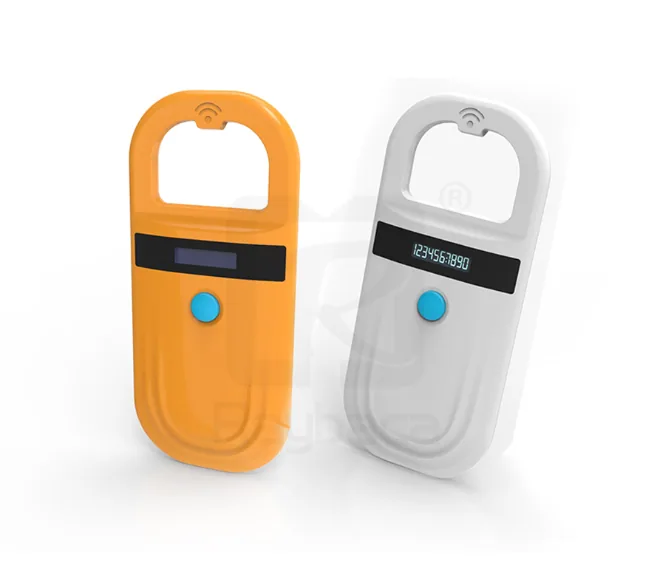
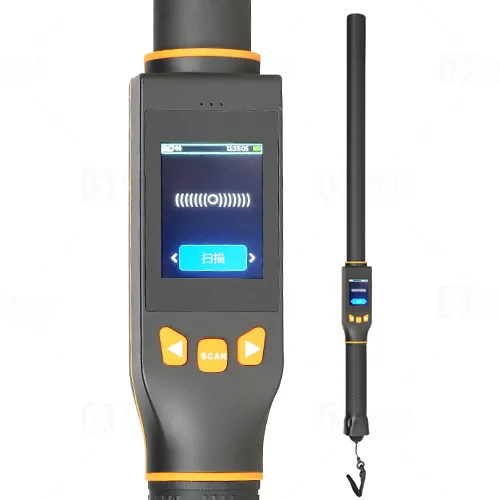
Handheld RFID readers have a stable reading range of 2 to 6 meters. Fixed readers can read tags from over 10 meters away. This allows automatic detection of items moving through gates, doors or conveyor systems, reducing manual scanning.
Large Data Storage Capacity
One RFID tag can store megabytes of data. This exceeds the 50 bytes of one-dimensional barcodes and the 2 to 3000 characters of two-dimensional barcodes. The data can include serial numbers, batch codes, expiry dates and maintenance history.
Data Security With Password Protection
RFID tags support password protection for reading and writing. This prevents unauthorized access or tampering. The electronic data is harder to forge than printed barcodes, which helps maintain data integrity.
Reusable Tags Reduce Long Term Costs
RFID tag content can be rewritten. Tags can be reused across multiple inventory cycles, reducing the need to replace them after each use. This lowers the total cost of ownership over time.
Robust In Harsh Environments
RFID tags operate reliably in dusty, oily or wet conditions. They are not affected by dirt, moisture or temperature extremes, making them suitable for industrial and outdoor storage areas.
Compact And Flexible Design
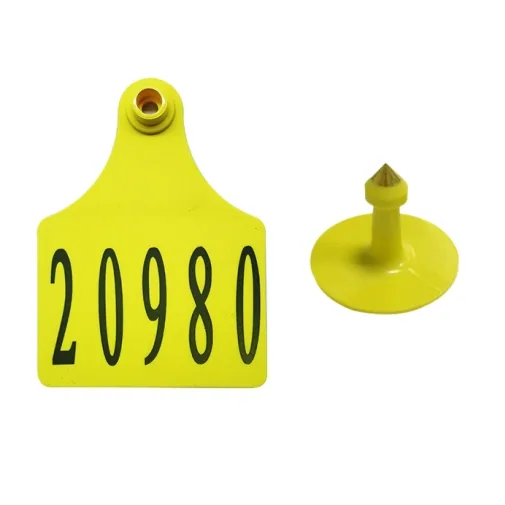
RFID tags come in many sizes and shapes. They can be embedded into packaging, attached to metal surfaces, or placed inside plastic cases. Their small size allows integration into tight spaces without affecting function.